Is EGCG Safe for You to Take?
Mar 04, 2022
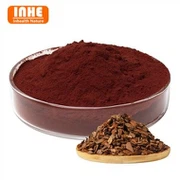
Green Tea Extract EGCG Powder is isolated from green tea. Epigallocatechin gallate (EGCG) is an active plant compound that has received much attention for its potential positive health effects.
Where Can We Get EGCG?
Many of the health benefits associated with drinking green tea are often attributed to its EGCG content. Although EGCG is primarily found in green tea, it is also present in small amounts in other foods, such as:
Tea: green, oolong, white and black teas
Fruits: strawberries, blackberries, kiwis, pears, cranberries, cherries, apples, peaches and avocados
Nuts: pistachios, hazelnuts and pecans
Though EGCG is the most studied and powerful catechin, other types such as epicatechin, epigallocatechin, and epicatechin 3-gallate may provide similar benefits. Also, many of them are more widespread in the food supply.
EGCG is most common in green tea, but is also present in small amounts in other types of tea, fruits, and some nuts. Other health-promoting catechins are abundant in red wine, dark chocolate, beans, and most fruits.

Is EGCG Safe for You to Take?
▲ Recommended Dosages
Notwithstanding researchers have been studying EGCG's potential health profits and various effects for decades, the compound continues to show varying effects on human research subjects. Scientists believe that this inconsistency may be due to the compound's tendency to degrade when exposed to oxygen, resulting in changing amounts that actually reach the digestive tract. To make matters worse, many people cannot effectively absorb EGCG through the digestive tract itself.
At present, approved studies list the following safe dose values:
704 mg/day in liquid beverage form
338 mg/day as a concentrated solid dose
A daily intake of 800 mg or more of EGCG increases blood levels of transaminases, which are indicators of liver damage.
Due to difficulties in absorption, it is vital to obtain EGCG supplements from a reliable pharmacy that figures out the optimal dosage for your unique body.
There is a wide range in dosage recommendations. In order to reduce the amount you should be consuming, consider beginning with a low dose of 150 to 400 mg per day and slowly increase if necessary. One study found beneficial effects on body weight when adults ingested 460 milligrams per day—so high doses may not be necessary in most cases.

▲ Possible Side Effects
It is paramount to note that EGCG is not 100% safe. In the matter of fact, EGCG supplementation has been related to serious side effects like: dizziness, liver and kidney failure, anemia and low blood sugar.
If you're very sensitive to caffeine or oxalates, try to limit your tea intake and avoid supplements that contain caffeine and other stimulants.
If you are pregnant, supplemental doses of EGCG are not recommended because it may interfere with the metabolism of folic acid -- a B vitamin essential for fetal growth and development -- increasing the risk of birth defects such as spina bifida.
It's not known whether EGCG supplements are safe for breastfeeding women or not, so it's best to avoid it until more research is available.
EGCG may also interfere with the absorption of certain prescription medications, including certain types of cholesterol-lowering and antipsychotic medications.
To make sure you're getting the right amount, look for supplements that list the amount of catechin and EGCG per serving. To limit the risk of potential side effects, stick to a dose below 800 mg per day. To be safe, be sure to consult your healthcare provider before starting a new dietary supplement.