Based on our capabilities, here are the plant powder OEM customized solutions we can offer to our customers:
A. Flexible Dosage Forms
1. Powders
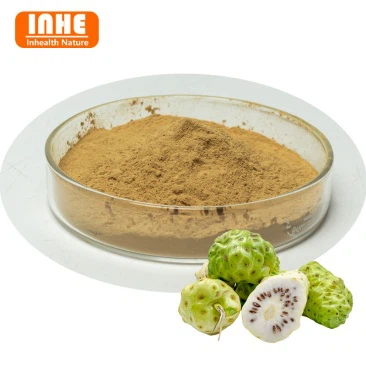
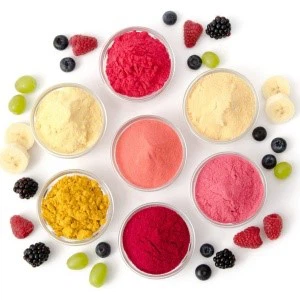
a. Fine and highly soluble plant powders are made from environmentally friendly technologies, which are ideal for functional foods, dietary supplements, instant beverage mixes, and sports nutrition products.
b. Suitable for packaging in sachets, canisters, or stick packs.
c. Can be blended with carriers like probiotics, vitamins, or minerals.
2. Hard Capsules
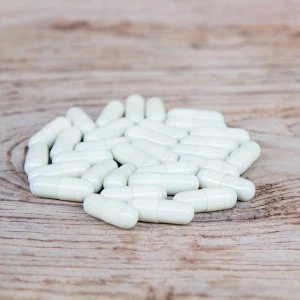
a. Offering plant-based capsules meeting vegan, halal, and kosher requirements, alongside traditional gelatin options.
b. Various color, size, and shape profiles are available for choosing.
c. Can be filled with pure plant powders or blended formulations.
3. Tablets
a. Tableting of plant powders into chewable, effervescent, or sustained-release tablets.
b. Can be coated for taste masking or enteric release.
c. Using natural sweeteners and flavors to meet health-conscious demands. Suitable for diabetics and sugar-free diets.
4. Gummies
a. Using pectin (plant-based) instead of gelatin for vegan gummies. Suitable for vegetarian and halal markets.
b. Excellent flavor masking for bitter plant powders. Custom shapes and colors for brand appeal.
c. Can incorporate additional functional ingredients like vitamins or minerals.
5. Liquids & Oils
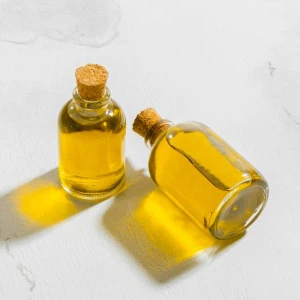
a. Natural formulations meeting clean-label trends. Can include absorption aids like piperine.
b. Can be added to tinctures, shots, syrups, and liquid supplements for energy, stress relief, or overall wellness.
c. Ensure stable and consistent formulations and precise dosing.
B. Compounding Formulations
1. For Specific Health Benefits
a. Immune Support Synergy: Elderberry extract (25% anthocyanins) + Vitamin C + Zinc + Reishi mushroom extract (30% polysaccharides). It is in the forms of gummies, effervescent tablets, and powder sachets.
b. Stress Relief & Sleep Support: Ashwagandha extract (5% withanolides) + L-theanine + Magnesium + Lemon balm extract. It is in the forms of softgels, sublingual tablets, and tea granules.
c. Joint & Mobility Support: Boswellia serrata extract (65% AKBA) + MSM + Hyaluronic acid. It is in the forms of flavored powders and chewable tablets.
2. For Target Populations
a. Children & Adolescents: Pleasant-tasting gummies, effervescent tablets, or powder sachets with plant powders for immune support, growth, and development. Sugar-free options are available.
b. Adults (Gender-Neutral): Energy, stress relief, and metabolic health formulations in capsules, tablets, or liquids
c. Women’s Health: Blends with iron, folate, and plant powders like maca or chasteberry for hormonal balance, prenatal/postnatal health, and menopause support.
d. Men’s Health: Saw palmetto, ashwagandha, and beetroot plant powders for prostate health, vitality, and exercise performance.
e. Elderly-Friendly: Easy-to-swallow softgels, liquids, or fast-dissolving tablets for joint health, cognitive function, and overall wellness.
What are the applications of plant powder?
Plant powders can be used in the dietary supplement, functional food and beverage, cosmetics, and animal feed industries:
a. Dietary Supplements & Nutraceuticals: Used as core ingredients in capsules, tablets, and liquids for specific benefits (e.g., immune support with elderberry, stress relief with ashwagandha). Added to superfood blends, green powders, and protein mixes to increase vitamin, mineral, and antioxidant content.
b. Functional Foods & Beverages: Incorporated into baked goods, snacks, pasta, and cereals to enhance their nutritional profile (e.g., adding moringa or spinach powder). Used in instant drinks, teas, smoothies, and sports nutrition shakes for flavor, color, and health benefits.
c. Cosmetics & Personal Care: Provide natural color and exfoliating properties in soaps, shampoos, facial masks, and creams (e.g., turmeric, beetroot, or green tea powder). Serve as key components in "clean beauty" and topical skincare products for their antioxidant and anti-inflammatory properties.
d. Animal Feed & Pet Nutrition: Enriched into livestock and poultry feed to improve animal health and growth. Formulated into supplements, treats, and foods for pets to support joint health, digestion, and coat quality.
Dietary Supplements & Nutraceuticals
Functional Foods & Beverages
Cosmetics & Personal Care
Animal Feed & Pet Nutrition
We produce plant powder using the following production process:

Q1: Which plants are commonly used to produce plant powders?
A: Many plants can be used to produce plant powders. Some common examples include: a. Moringa: Moringa leaves, bark, and seeds are often ground into a fine powder high in protein, vitamins, and minerals. b. Wheatgrass: Wheatgrass is often dried and ground into a powder high in chlorophyll and antioxidants. c. Spirulina: Spirulina is a type of blue-green algae that is often dried and ground into a powder high in protein, vitamins, and minerals. d. Turmeric: Turmeric root is often dried and ground into a powder high in curcumin, a compound with anti-inflammatory properties. e. Beetroot: Beetroot is often dried and ground into a powder high in nitrates, which are believed to improve athletic performance and blood flow.
Q2: How are plant powders used in dietary supplements?
A: Plant powders are commonly used in dietary supplements as a convenient and concentrated form of nutrients. Here's how they are used: a. Capsules or tablets: Plant powders can be encapsulated or compressed into tablets, making them easy to consume. This allows individuals to conveniently take specific doses of plant powders as part of their supplement routine. b. Powders: Plant powders can also be sold as loose powders that can be mixed into beverages, smoothies, or foods. This provides flexibility in how they are consumed and allows for customization of dosage. c. Blends: Plant powders are often combined with other ingredients to create specialized blends or formulas. For example, a blend may include multiple plant powders, vitamins, minerals, or other herbal extracts to target specific health benefits or support certain bodily functions.
Q3: Can plant powders replace whole plant foods in terms of nutrition?
A: While plant powders can provide concentrated amounts of certain nutrients, they cannot fully replace whole plant foods in terms of nutrition for several reasons: a. Fiber content: Whole plant foods, such as fruits and vegetables, are rich in fiber, while plant powders have a lower fiber content than whole plant foods. Fiber is essential for maintaining healthy digestion, regulating blood sugar levels, and reducing the risk of heart disease. Consuming whole plant foods is vital to ensuring adequate fiber intake. b. Micronutrient diversity: Whole plant foods contain various micronutrients, including vitamins, minerals, and phytonutrients. Plant powders may provide high concentrations of certain nutrients, but they often lack the variety of micronutrients found in whole plant foods. c. Absorption and bioavailability: The absorption and bioavailability of nutrients can be affected by how they are consumed. In some cases, consuming plant powders may not result in the same degree of nutrient absorption and bioavailability as consuming whole plant foods. d. Satiation: Whole plant foods tend to be more filling and satiating than plant powders. This can help prevent overeating and support weight management goals. Therefore, while plant powders can be a convenient way to supplement the diet with certain nutrients, they should not be relied upon as a replacement for whole plant foods. A diet rich in a variety of whole plant foods remains the best way to ensure optimal nutrition.
Q4: How do plant powders contribute to the flavor and color of food and beverages?
A: Plant powders can be used in many ways to add flavor and color to foods and beverages. Here's how: a. Flavor enhancement: Some plant powders, such as spices like turmeric, cinnamon, or ginger, have distinct flavors that can enhance the taste of dishes. These powders add aromatic and flavorful notes to foods and beverages and make them more enjoyable to consume. b. Natural coloring: Many plant powders contain pigments that can impart vibrant colors to food and beverages. For example, beetroot powder can add a deep red or pink hue, spirulina powder can provide a bright green color, and hibiscus powder can give a reddish-purple shade. These natural colors can be used as an alternative to artificial food dyes. c. Visual appeal: Adding plant powders to foods and beverages can improve their visual appeal. For example, sprinkling matcha powder on top of a latte or dusting cocoa powder on desserts can create an attractive presentation. This can enhance the overall dining experience. d. Customization: Plant powders offer versatility in flavor and color customization. By adding specific powders, you can create unique flavor profiles and tailor the appearance of your dishes or beverages according to personal preferences or specific culinary requirements.
Q5: Do plant powders retain their nutritional value when added to food products?
A: Yes, plant powders generally retain their nutritional value when added to food products. The nutritional content of plant powders can vary depending on the specific plant and the processing methods used. However, when properly processed and stored, plant powders can preserve many of the beneficial compounds found in the original plant. To retain the nutritional value of plant powders when adding them to food products, certain factors should be considered: a. Processing methods: Gentle processing techniques, such as low-temperature drying or freeze-drying, are often used to minimize nutrient loss during the production of plant powders. These methods preserve the vitamins, minerals, antioxidants, and other bioactive compounds present in the plants. b. Storage conditions: Proper storage is essential to maintain the nutritional value of plant powders. Exposure to light, heat, moisture, and oxygen can degrade the nutrients. Therefore, storing plant powders in airtight containers in a cool, dry place away from direct sunlight is recommended. c. Usage considerations: It's important to note that some nutrients may be sensitive to heat or prolonged exposure to air. To preserve the nutritional value, it is advisable to add plant powders to foods at the end of the cooking process or use them in recipes that don't require high heat or prolonged cooking times. This way, the heat-sensitive nutrients are less likely to be degraded.
Q6: How do plant powders contribute to the natural skincare and cosmetics industry?
A: Because of potential benefits for skin health, plant powders are growing in popularity in the natural skincare and cosmetics industry. Here are a few ways: a. Natural ingredients: Plant powders are derived from natural sources, making them attractive to consumers looking for natural and organic skincare and cosmetic products. Unlike synthetic ingredients, plant powders are often considered safer and gentler on the skin. b. Nutritional benefits: Many plant powders contain vitamins, minerals, antioxidants, and other bioactive compounds that can benefit the skin when applied topically. For example, turmeric powder contains curcumin. It has anti-inflammatory properties that may soothe irritated skin. c. Exfoliation: Some plant powders have natural exfoliating properties that can help remove dead skin cells and unclog pores. For example, rice powder is a gentle exfoliant commonly used in Asian skincare. d. Colorants: Certain plant powders can be used as natural colorants in cosmetics. For example, beetroot powder can be used to provide a natural red or pink hue to lip balms and blushes. e. Soothing properties: Some plant powders, such as chamomile and calendula, have soothing properties that can calm and nourish the skin. These plant powders are often used in skincare products designed for sensitive or inflamed skin.
Q7: Can plant powders be used as natural alternatives to synthetic dyes and pigments?
A: Yes, plant powders can indeed be used as natural alternatives to synthetic dyes and pigments in various applications. Here's how they can serve as alternatives: a. Coloring food products: Plant powders can be used to naturally color food products, such as baked goods, beverages, or confectionery. For example, beetroot powder can provide a vibrant red color, spinach powder can add a green hue, and turmeric powder can give a yellow tint. b. Natural cosmetics: Plant powders can be employed to add color to natural cosmetics, including lipsticks, blushes, eyeshadows, and even nail polishes. Various plant powders, such as hibiscus, spirulina, and cocoa powder, can offer diverse shades and tones. c. Textile and fabric dyeing: Some plant powders possess natural dyeing properties that can be utilized in textile and fabric dyeing processes. Examples include indigo powder for blue hues, madder root powder for reds, and annatto seed powder for yellows and oranges. d. Art and crafts: Plant powders can be incorporated into art projects or crafts as natural pigments. They can be used in painting, pottery, soap-making, candle-making, and other creative endeavors.
Q8: What is the difference between plant powders and essential oils in aromatherapy?
A: Plant powders and essential oils are both used in aromatherapy, but they have some key differences: a. Composition: Plant powders are derived from dried parts of plants, such as leaves, flowers, or roots, which are then ground into a fine powder. They contain the natural fibers, nutrients, and bioactive compounds found in the plant. On the other hand, essential oils are highly concentrated liquids obtained through processes like steam distillation or cold pressing. They capture the volatile aromatic compounds of the plant. b. Aroma: Essential oils are known for their strong and distinct aromas. They carry the characteristic scent of the plant from which they are extracted. In contrast, plant powders typically have a milder aroma. While they may retain some scent, it is often not as potent as that of essential oils. c. Application: Essential oils are primarily used topically or through inhalation in aromatherapy. They can be diluted with carrier oils or added to diffusers, allowing the aromatic molecules to interact with the body and mind. Plant powders, on the other hand, are used in traditional aromatherapy primarily through direct burning as incense or in herbal sachets, releasing subtle aromatic properties. d. Volatility: Essential oils are volatile and evaporate quickly, releasing their scent and therapeutic properties into the air. This makes them suitable for inhalation and diffusion. Plant powders, being in a solid form, do not possess the same volatility.
Q9: What factors should be considered when selecting high-quality plant powders?
A: When selecting high-quality plant powders, several factors should be considered to ensure their purity, potency, and efficacy. Here are some of the essential factors to consider: a. Source and origin: The source and origin of the plant material used to make the powder are critical. It's important to choose powders derived from high-quality plants that are grown organically or sustainably and are free from harmful chemicals or contaminants. b. Processing method: The processing method used to make the plant powder can impact its quality. Powders made using low-heat methods, such as freeze-drying or air-drying, tend to retain more nutrients and bioactive compounds than those processed with harsh chemicals or high heat levels, which can damage or denature the plant's beneficial properties. c. Purity: The purity of the plant powder is crucial. Look for powders that are free from fillers, additives, and artificial ingredients. Ideally, the powder should contain only the pure, dried plant material. d. Color and aroma: The color and aroma of the plant powder can also provide clues about its quality. High-quality powders should have a vibrant color and a pleasant aroma that matches that of the original plant material. e. Third-party testing: Look for plant powders that have undergone third-party testing for purity, potency, and safety. This ensures that the product meets the highest quality standards and is free from harmful contaminants.
Q10: Can plant powders be used in animal feed? If so, what benefits do they provide?
A: Yes, plant powders can be used in animal feed. Some potential benefits are as follows: a. Nutritional value: Plant powders are rich in many essential nutrients, including vitamins, minerals, antioxidants, and phytochemicals. Adding plant powders to animal feed helps enhance the overall nutritional profile of the diet and provides animals with a broader range of beneficial compounds. b. Digestive health: Certain plant powders, such as psyllium husk powder or ginger powder, can have positive effects on digestive health in animals. They may improve digestion, reduce gastrointestinal disturbances, and support beneficial gut bacteria growth. c. Immune system support: Many plant powders contain bioactive compounds that can support the immune system of animals. For example, echinacea or turmeric powder may possess immune-modulating properties that strengthen the animal's defense mechanisms against diseases and infections. d. Palatability: Some plant powders can enhance the palatability of animal feed. They can add natural flavors and aromas that may encourage animals to consume their feed more readily, ensuring adequate nutrient intake. e. Natural colorants: Certain plant powders can be used as natural colorants in animal feed. They can provide appealing colors to the feed, making it visually attractive for animals and potentially enhancing their acceptance of the food. The inclusion levels of plant powders should be appropriate and safe for the particular animals involved. Consulting with a veterinarian or animal nutritionist can help determine the suitable dosage and ensure that the plant powders are used optimally in animal diets.
Q11: How do plant powders compare to other forms of plant-based ingredients, such as extracts or oils?
A: Plant powders, extracts, and oils are all different forms of plant-based ingredients, each with unique production methods and features. Here are some key differences between them: A. Plant Powders a. Production Method: Made by drying and grinding whole plants or specific parts (e.g., leaves, roots, seeds) into a fine or coarse powder. The process involves cleaning, drying, and pulverizing the raw material without using solvents. b. Key Features: Retains the entire composition of the plant, including both active and inactive compounds, as well as fiber and other cellular components. B. Plant Extracts a. Production Method: Produced using modern extraction technologies (e.g., solvents like ethanol or water) to concentrate bioactive phytochemicals. The process involves dissolving soluble plant metabolites, separating them from insoluble materials, and often removing solvents to form dry powders or liquids. b. Key Features: Highly concentrated in specific active compounds. Standardized extracts ensure consistent levels of targeted constituents through rigorous quality control. C. Plant Oils a. Production Method: Extracted from nuts, seeds, fruits, or grains through mechanical pressing (e.g., cold-pressing) or chemical extraction. Refined oils may undergo additional processing to remove impurities. b. Key Features: Composed primarily of fats, including monounsaturated (MUFA), polyunsaturated (PUFA), or saturated fats. Unrefined oils retain more natural nutrients and flavors.
Q12: Can plant powders be used in homemade recipes or DIY projects?
A: Yes, plant powders can be used in homemade recipes or DIY projects. They can add flavor, color, and nutritional benefits to various creations. Here are some examples: a. Cooking and baking: Plant powders can be incorporated into homemade recipes for cooking and baking. For instance, turmeric powder can be added to give baked goods, rice dishes, and curries a bright yellow hue and unique flavor. Green tea-infused drinks or desserts can be made with matcha powder. Cakes and icing can be naturally colored with beetroot powder. b. Smoothies and beverages: Plant powders can be added to smoothies, juices, or other beverages to enhance their nutritional value and flavor. Spirulina powder or wheatgrass powder can be blended with fruits and vegetables to create nutrient-dense smoothies. Maca powder can be added to energy drinks or protein shakes. c. DIY skincare and beauty products: Plant powders can be incorporated into homemade skincare and beauty products for their potential beneficial properties. For instance, oatmeal powder can be used in facial masks or scrubs for its soothing and exfoliating effects. Green tea powder (matcha) can be used in face masks or lotions for its antioxidant content. Turmeric powder can be mixed with other ingredients for homemade face masks or skin creams. The dosage and compatibility with other ingredients should be taken into account when utilizing plant powders in homemade recipes or DIY projects. It's also advisable to test a small amount first before using larger quantities to ensure the desired results.
Q13: What is the shelf life of plant powders, and how should they be stored?
A: The shelf life of plant powders can vary depending on the specific powder and its storage conditions. Generally, plant powders have a relatively long shelf life if stored properly. Here are some guidelines for storing plant powders: a. Check the expiration date: Plant powders usually come with an expiration date or best-by date. It's important to check this date before purchasing and using the powder. b. Store in a cool, dry place: To maintain the quality and extend the shelf life, it's best to store plant powders in a cool and dry environment. Exposure to heat, moisture, and sunlight can degrade the quality of the powder and reduce its potency. c. Use airtight containers: After opening the package, transfer the plant powder into airtight containers to protect it from moisture and air exposure. Glass jars or containers with tight lids work well for this purpose. d. Avoid contamination: To prevent contamination, ensure that the containers and utensils used to handle the plant powder are clean and dry. Moisture or foreign substances can introduce bacteria or spoilage. e. Keep away from strong odors: Plant powders can absorb strong odors and flavors from their surroundings. It's advisable to store them away from potent-smelling substances to maintain their original characteristics. While the shelf life of plant powders can vary, many powders can remain usable for several months to a few years if stored correctly. However, it's always a good idea to follow the manufacturer's instructions or guidelines provided on the packaging for specific storage and shelf-life information. If a plant powder develops an off smell, an unusual color, or clumping, it is generally recommended to discard it.