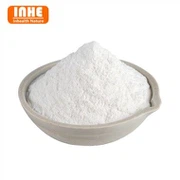
Why is Mulberry Powder Paramount to the Human Body?
Dec 31, 2025
In today's health-conscious market, consumers demand more from their supplements and functional foods. They seek ingredients that deliver multifaceted, science-backed benefits. Mulberry Fruit Powder is a premium, nutrient-dense extract that stands out not just for what it contains, but for how its key compounds work in synergy to meet modern wellness needs. Anthocyanins, the potent antioxidants responsible for their rich color, and 1-Deoxynojirimycin (DNJ), a rare and naturally occurring alkaloid. This unique combination transforms mulberry powder from a simple superfood into an excellent ingredient for product innovation.
why is mulberry powder paramount to the human body?
Anthocyanins and DNJ in Mulberry Powder
a. Anthocyanins: These are water-soluble flavonoid pigments responsible for the vibrant red, purple, and black colors in mulberries (especially in dark-fruited varieties like Morus alba). They are powerful antioxidants that protect plant cells and, when consumed, offer similar protective benefits to humans.
b. DNJ (1-Deoxynojirimycin): This is a unique, potent iminosugar (a nitrogen-containing sugar analog) found naturally in mulberry leaves and, in smaller but significant amounts, in the fruit. It is a key bioactive compound known for its alpha-glucosidase enzyme inhibitory activity.
The Importance of Anthocyanins and DNJ
They are considered the two primary functional bioactive compounds that elevate mulberry juice powder from a simple fruit supplement to a targeted health ingredient.
a. Anthocyanins are prized for their antioxidant and anti-inflammatory properties, crucial for combating oxidative stress, a root cause of many chronic diseases.
b. DNJ is a rare compound with a specific and potent mechanism for blood sugar management, making mulberry unique among berries. Its presence is a major driver of mulberry's use in metabolic health products.
Benefits of Anthocyanins and DNJ
A. Anthocyanins
a. Potent Antioxidant: Scavenges free radicals (ROS), reducing oxidative damage to cells, lipids, proteins, and DNA.
b. Anti-Inflammatory: Modulates inflammatory pathways (e.g., NF-κB), helping to reduce chronic low-grade inflammation.
c. Vision Health: Supports retinal function and may improve symptoms of eye fatigue by promoting the regeneration of rhodopsin.
d. Cardiovascular Support: Improves endothelial function, reduces oxidation of LDL cholesterol, and supports healthy blood pressure.
B. DNJ (1-Deoxynojirimycin)
a. Blood Sugar Management (The Primary Effect): DNJ is a competitive inhibitor of intestinal alpha-glucosidase enzymes. These enzymes break down complex carbohydrates (like starch and sucrose) into absorbable glucose. By inhibiting them, DNJ slows the rate of carbohydrate digestion and glucose absorption, preventing rapid post-meal spikes in blood sugar and insulin.
b. Weight Management Support: By moderating glucose and insulin spikes, it can help reduce fat storage signals and curb cravings associated with blood sugar crashes.
c. Anti-Diabetic Potential: Its mechanism is similar to the prescription drug acarbose, making it a well-studied natural adjuvant for diabetes and prediabetes management.
Product Applications of Anthocyanins and DNJ
1. Anthocyanins
A. Dosage Forms
a. Capsules/Tablets: The most common form for concentrated anthocyanin extracts from mulberry, often standardized to a certain percentage (e.g., 25% anthocyanins).
b. Powder: The whole fruit powder itself, used in smoothies, health drinks, or superfood blends, provides a spectrum of nutrients along with anthocyanins.
c. Liquid Extracts/Tinctures: For rapid absorption, used in functional shots or beverage additives.
d. Softgels: Often used to enhance the bioavailability of oil-based compound formulations.
B. Compound Formulations
a. Eye Health Complexes: Combined with lutein, zeaxanthin, bilberry extract, and zinc.
b. Antioxidant or Anti-Aging Blends: Mixed with vitamin C, vitamin E, glutathione, coenzyme Q10, or other berry extracts (acai, blueberry).
c. Heart Health Formulas: Paired with omega-3s, citrus flavonoids (diosmin/hesperidin), or hawthorn extract.
2. DNJ (1-Deoxynojirimycin)
A. Dosage Forms
a. Capsules/Tablets: The dominant form for DNJ-focused products. Extracts are often standardized to a specific DNJ content (e.g., 10mg, 20mg per serving). Timing is critical, typically taken just before a meal containing carbohydrates.
b. Powder: Can be used as a functional ingredient, but precise dosing for DNJ effect is harder for consumers.
c. Tea Bags/Sachets: Often combined with mulberry leaf extract (which has much higher DNJ content) to create a functional tea for glycemic support.
B. Compound Formulations
a. Blood Sugar Balance Formulas: Combined with other glucose-modulating ingredients like berberine, cinnamon extract, chromium picolinate, alpha-lipoic acid, Gymnema sylvestre, and bitter melon extract.
b. Metabolic Health Stacks: Integrated into formulations with ingredients for weight management (e.g., green tea extract, Garcinia cambogia) and insulin sensitivity (e.g., insulin).

What are the synergistic effects of anthocyanins and DNJ in mulberry powder?
Multi-Targeted Blood Sugar Management (The Core Synergy)
A. DNJ's Role (Enzyme Inhibition): Acts at the intestinal lumen level. It directly inhibits alpha-glucosidase enzymes, slowing the breakdown of carbohydrates into glucose and thus reducing the rate of glucose influx into the bloodstream.
B. Anthocyanins' Role (Cellular & Systemic): Act at the tissue and cellular level. They:
a. Enhance insulin sensitivity in muscle and liver cells by stimulating the AMPK pathway and mitigating inflammation in adipose tissue.
b. Protect pancreatic beta cells from oxidative stress and apoptosis, thereby supporting the body's own insulin production capacity.
C. Synergistic Outcome: DNJ reduces the glycemic load (the "input"), while anthocyanins improve the body's response to the glucose that is absorbed (the "output"). This dual-front attack is more effective for managing postprandial (after-meal) blood glucose and improving long-term glycemic control (e.g., HbA1c) than either compound alone.
Combating Oxidative Stress in Diabetics & Metabolic Syndrome
A. DNJ's Indirect Role: By moderating blood sugar spikes, DNJ reduces the primary trigger for postprandial oxidative stress.
B. Anthocyanins' Direct Role: As potent antioxidants, they directly scavenge the ROS that are produced, breaking the vicious cycle of hyperglycemia → oxidative stress → tissue damage → worsened insulin resistance.
C. Synergistic Outcome: This creates a positive feedback loop for metabolic health. Better glucose control reduces oxidative stress, and reduced oxidative stress improves insulin signaling, making the body more responsive to the glucose-lowering effects of DNJ.
Vascular and Endothelial Protection
A. Anthocyanins: Directly improve endothelial function by promoting nitric oxide (NO) production (vasodilation) and reducing vascular inflammation.
B. DNJ: By preventing rapid glucose spikes, it protects the endothelium from acute glucose toxicity (glucose spikes are particularly damaging to blood vessel linings).
C. Synergistic Outcome: They provide comprehensive vascular defense, anthocyanins repair and enhance function, while DNJ shields from acute dietary insults. This is crucial for preventing cardiovascular complications associated with metabolic dysfunction.
Anti-Inflammatory Synergy
A. Anthocyanins: Directly downregulate pro-inflammatory cytokines (e.g., TNF-α, IL-6) and inhibit the NF-κB inflammatory pathway.
B. DNJ: Some studies suggest DNJ itself may have mild anti-inflammatory properties. More importantly, by reducing hyperglycemia, it removes a major pro-inflammatory stimulus (high glucose promotes inflammation).
C. Synergistic Outcome: They attack inflammation from both ends: source reduction (DNJ) and pathway inhibition (anthocyanins). This combined action more effectively creates an internal environment conducive to insulin sensitivity.
Potential for Weight Management Support
A. DNJ: May help reduce fat accumulation by smoothing out insulin spikes (high insulin promotes fat storage).
B. Anthocyanins: Some evidence suggests they can influence adipocyte (fat cell) metabolism, inhibit fat cell differentiation, and reduce fat accumulation in the liver (hepatic steatosis).
C. Synergistic Outcome: They may work together to modulate lipid metabolism and fat storage signaling, offering a more holistic approach to weight management alongside diet and exercise.
What are the differences in anthocyanins and DNJ content in mulberries at different stages of ripeness?
Differences in Anthocyanin and DNJ Content by Ripeness Stage
|
Ripeness Stage |
Anthocyanin Content |
DNJ (1-Deoxynojirimycin) Content |
Primary Reason |
|
S1-Fully Green (Immature) |
Negligible to Very Low. Chlorophyll dominates. Biosynthesis of anthocyanins has not been triggered. |
Highest Concentration. The fruit acts as a potent chemical defense system, containing high levels of alkaloids like DNJ to deter pests. |
Plant defense priority. Energy is directed towards growth and protection, not pigmentation or sugar accumulation. |
|
S2-Color-Changing Stage (Veraison / Turning Red-Purple) |
Rapidly Increasing. Biosynthesis is activated (enzymes like PAL, CHS, and DFR are upregulated). Levels can rise exponentially over days. |
Sharply Declining. As the fruit shifts its strategy from chemical defense to seed dispersal (via animal attraction), DNJ content drops significantly. |
Metabolic shift. The plant trades bitter, defensive compounds for sweet, colorful, and antioxidant-rich ones to attract seed dispersers. |
|
S3-Purplish-Black (Fully Ripe) |
Peak Concentration. Maximum accumulation of pigments (especially cyanidin-3-glucoside and cyanidin-3-rutinoside). Total anthocyanins can be 10-50x higher than in the turning stage. |
Lowest Concentration. Often, only 10-20% of the level is found in green fruit. Further dilution occurs as the fruit size increases and sugars/water accumulate. |
The Inverse Relationship is Complete. The fruit is optimized for attraction (color, sweetness) and seed protection (antioxidants), not chemical defense. |
How These Differences Affect Product Efficacy and Application
The choice of ripeness stage is not neutral; it fundamentally changes the product's functional purpose.
A. Products Using Fully Green or Immature Fruit/Leaf Extracts
a. Primary Target: Blood Sugar Management.
b. Reason: Maximizes DNJ content, providing the strongest alpha-glucosidase inhibitory activity. This is the stage used when the goal is a potent, drug-like effect on postprandial glucose spikes.
c. Typical Products: Standardized diabetic supplements (capsules, tablets), pharmaceutical intermediates, and functional teas (often blended with leaves, which are always high in DNJ regardless of fruit ripeness).
d. Trade-off: Lacks the broad-spectrum antioxidant and anti-inflammatory benefits of anthocyanins. The taste is often bitter and astringent.
B. Products Using Fully Ripe (Purplish-Black) Fruit or Powder
a. Primary Target: Antioxidant Support, General Wellness, Anti-Aging, Cardiovascular & Vision Health.
b. Reason: Maximizes anthocyanin content, providing superior free radical scavenging, anti-inflammatory, and vascular protective effects. The DNJ content, while present, is at a level that may offer mild, supportive glycemic benefits but is not the main event.
c. Typical Products: Superfruit powders for smoothies, antioxidant complex capsules, natural food colorants, functional beverages, and skin health supplements (anthocyanins protect collagen).
d. Trade-off: Not potent enough for primary, targeted blood sugar control. Efficacy for glucose management is more supportive than therapeutic.


What are the differences between anthocyanins in multiple fruit powders?
Comparative Analysis of Anthocyanin Profiles
|
Berry Powder |
Dominant Anthocyanin(s) |
Key Profile Characteristics |
Notable Co-Occurring Bioactives |
|
Mulberry (esp. Morus nigra/rubra) |
Cyanidin-3-glucoside (C3G) |
Simpler, targeted profile. Very high proportion of C3G, one of the most bioavailable and well-researched anthocyanins. C3R is also prominent and may have unique stability. |
DNJ (1-deoxynojirimycin) – The game-changer for blood sugar. Resveratrol, various phenolic acids. |
|
Blueberry (Highbush, Vaccinium corymbosum) |
Malvidin-3-galactoside/glucoside |
Complex, diverse profile. Contains a wider variety of anthocyanins (based on malvidin, delphinidin, petunidin, cyanidin, and peonidin). This is the shotgun approach. |
Proanthocyanidins (PACs), chlorogenic acid, pterostilbene (analog of resveratrol). |
|
Bilberry (European, Vaccinium myrtillus) |
Delphinidin-3-galactoside/glucoside |
Similar complexity to blueberry, but often with higher total anthocyanin concentration (15-25% in extracts vs. blueberry's ~5-15%). Delphinidin is often more dominant. |
High levels of PACs, strong historical use for vision and microcirculation. |
|
Elderberry (Sambucus nigra) |
Cyanidin-3-sambubioside |
Unique glycosylation. The "sambubioside" sugar moiety is distinctive. Profile is heavily dominated by cyanidin-based anthocyanins (up to 85%). |
Immune-modulating polymers (e.g., lectins, arabinogalactans), high vitamin C. |
Key Advantages of Anthocyanins in Mulberry Juice Powder
While all these berries offer superb antioxidant benefits, mulberry's advantages stem from its specific anthocyanin profile + its unique co-factor, DNJ.
1. Superior Synergy for Metabolic Health (The #1 Advantage)
a. Mechanism: The high levels of cyanidin-3-glucoside (C3G) have been shown in studies to improve insulin sensitivity, reduce adipose tissue inflammation, and protect pancreatic beta-cells.
b. Synergy with DNJ: While C3G works at the cellular level to improve glucose metabolism, DNJ works in the gut to blunt carbohydrate absorption. This dual-pathway, multi-target approach to blood sugar and metabolic health is unique to mulberry among common berries.
c. Comparative: Blueberry/bilberry anthocyanins show positive metabolic effects, but they lack the potent enzymatic (alpha-glucosidase) inhibition provided by DNJ.
2. Potentially Higher Bioavailability of Key Anthocyanins
a. Cyanidin-3-glucoside (C3G), the dominant anthocyanin in mulberry, is consistently shown in research to be one of the most readily absorbed and bioavailable anthocyanins.
b. Its simpler sugar moiety (glucose) compared to sambubioside (elderberry) or galactose/arabinoside (blueberry) may facilitate uptake.
c. This doesn't mean total absorption is always higher than a mixed profile, but it suggests a reliable and efficient uptake of its primary bioactive.
3. Targeted Antioxidant and Anti-Inflammatory Action
While total ORAC values can vary, the specific C3G and C3R in mulberry have exceptionally strong research backing for:
a. Protecting vascular endothelial function (by boosting nitric oxide production).
b. Inhibiting the formation of advanced glycation end products (AGEs)-a critical factor in diabetic complications and aging.
c. Reducing hepatic (liver) steatosis and inflammation in models of metabolic syndrome.
4. Broader Holistic Nutrient Profile
a. Beyond anthocyanins and DNJ, mulberry juice powder is a good source of vitamin C, vitamin K1, iron, potassium, and dietary fiber.
b. It also contains other flavonoids and resveratrol (the "longevity" compound found in grapes), adding another layer of cardiovascular and anti-aging support.
Comparative Summary & Best-Use Cases
a. Choose Mulberry Powder For: Comprehensive metabolic health (blood sugar support + antioxidant protection), targeted vascular health, and where a synergistic anthocyanin-DNJ effect is desired.
b. Choose Blueberry/Bilberry Powder For: Cognitive/brain health (where their complex profiles are heavily researched), general whole-body antioxidant defense, and eye health (particularly bilberry for night vision and microcirculation).
c. Choose Elderberry Powder For: Immune system support as the primary goal, especially during seasonal challenges. Its anthocyanins and immune-modulating polymers are key.

Which hypoglycemic ingredient is better? DNJ, Charantin, or berberine?
Mechanism of Action
|
Compound |
Primary Mechanism & Site of Action |
Core Effect on Blood Sugar |
Unique Advantage of DNJ |
|
DNJ (Mulberry) |
Competitive inhibition of intestinal α-glucosidase enzymes (sucrase, maltase). |
Delays carbohydrate digestion, slowing the rate of glucose absorption. Flattens the postprandial (after-meal) glucose spike. |
1. Preventive & Specific: Acts like a "gatekeeper" at the point of entry. It doesn't affect absorbed glucose or insulin; it simply moderates the influx. |
|
Charantin (Bitter Melon) |
Multiple, less specific: Appears to involve |
Increases glucose uptake in tissues, may stimulate insulin release, and potentially reduces gluconeogenesis. |
DNJ's advantage: A single, clear, and well-understood molecular mechanism (enzyme inhibition). Charantin's effects are more diffuse and its exact bioactive constituents are less standardized. |
|
Berberine |
Activates AMP-activated protein kinase (AMPK)-the cell's "master metabolic switch." |
Improves insulin sensitivity, reduces hepatic gluconeogenesis (the liver's glucose production), and modulates gut microbiota. |
DNJ's advantage: No systemic metabolic overhaul. DNJ works locally in the gut without directly altering fundamental cellular energy sensors like AMPK, which is responsible for berberine's potent but sometimes problematic effects. |
Safety and Side Effect
|
Compound |
Common Side Effects |
Root Cause |
Safety Advantage of DNJ |
|
DNJ (Mulberry) |
Gas, bloating, abdominal discomfort, diarrhea (if dose is too high or taken without carbs). |
Undigested carbohydrates ferment in the colon due to enzyme inhibition. Dose-dependent and manageable. |
1. Self-Limiting & Predictable: Side effects are directly tied to carbohydrate intake and dose. They diminish with dose adjustment. |
|
Charantin (Bitter Melon) |
GI upset, diarrhea (similar to DNJ but often milder). At high doses/extracts: Hypoglycemia, headaches, and liver toxicity (rare case reports). |
Multiple components can cause GI irritation. Hypoglycemia risk from increased insulin secretion. |
DNJ's advantage: Lower risk of hypoglycemia. Since DNJ only delays absorption and does not stimulate insulin or reduce baseline glucose, the risk of causing dangerously low blood sugar is extremely low. |
|
Berberine |
Significant GI distress (constipation/diarrhea, cramps), potential for hypoglycemia, and interference with drug metabolism. |
Strong AMPK activation alters gut motility. Systemic effects can lower glucose too much. Berberine is a strong inhibitor of CYP450 enzymes (esp. CYP3A4/CYP2D6). |
DNJ's advantage: No known significant drug interactions. This is a major advantage for individuals on polypharmacy (e.g., for cholesterol, blood pressure, and antidepressants). Berberine's CYP inhibition is a serious contraindication with many drugs. |
Summary of DNJ's Unique Advantages
A. Mechanistic Precision & Predictability: DNJ is a pure, reversible enzyme inhibitor. Its action is localized (gut), immediate (per meal), and easy to understand. It doesn't treat the body's metabolism; it manages the dietary input. This makes its effects highly predictable and tied directly to meal composition.
B. Minimal Risk of Hypoglycemia: Unlike berberine (which reduces liver glucose output) and charantin (which may stimulate insulin), DNJ does not lower fasting blood glucose significantly. It only smooths the post-meal curve. This makes it exceptionally safe for pre-diabetics or those with moderate glucose intolerance who are not on insulin or sulfonylureas.
C. Favorable Drug Interaction Profile: DNJ's local action means it does not interfere with the cytochrome P450 system. This is a critical safety advantage over berberine, which can dangerously alter the blood levels of many prescription drugs (statins, blood thinners, antidepressants, etc.).
D. Ideal for "Meal-Specific" Management: For individuals whose primary issue is postprandial hyperglycemia ("spikes"), DNJ offers a targeted solution. It can be used as needed (e.g., before a high-carb meal) rather than as a continuous all-day therapy.
E. Synergistic Potential without Overlap: Because its mechanism is unique, DNJ combines exceptionally well with other agents. For example:
a. DNJ + Berberine: DNJ blocks glucose influx, and berberine improves insulin sensitivity and liver function. They work at completely different points in the glucose homeostasis pathway.
b. DNJ + Charantin: A multi-faceted approach combining delayed absorption with enhanced cellular uptake.
Contact Kathy at Inhealth Nature today to discuss your formulation goals and explore our certified, high-potency Mulberry Fruit Powder. Email: kathy@inhealthnature.com Let's build the future of functional nutrition, together.