What is the Possible Role of Zeaxanthin on Cognitive Function in the Human Body?
Dec 15, 2022
Every Detail You Need to Know about Marigold Extract Zeaxanthin
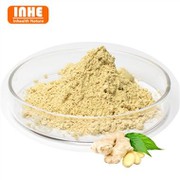
Our Zeaxanthin Powder is produced and marketed in strict accordance with the standards and requirements of ISO, FDA, HALAL, and KOSHER. After 8 years of market testing, it has been well received by customers and has been sold well in North America, Europe, Oceania, Asia, and so on. It is widely used in food preservatives, natural colorants, new beverages, breeding feed, etc.
What is the Possible Role for Zeaxanthin in Cognitive Function?
There is more and more evidence that oxidative and inflammatory damage contributes to Alzheimer's disease as well as mild cognitive impairment (MCI) and age-related cognitive decline. The brain is particularly vulnerable to free radical attack due to its relatively low antioxidant content, high concentration of PUFAs, and high metabolic activity. Increased lipid peroxidation and nucleic acid oxidation are found in early Alzheimer's disease, and increased concentrations of inflammatory markers and pro-inflammatory cytokines were found in the central nervous system of early Alzheimer's disease patients and MCI patients. Cumulative damage to lipid membranes and DNA by free radicals can disrupt normal cellular function and cause neuronal death. If the aging brain's increased susceptibility to oxidative stress and inflammation contributes to cognitive deficits, interventions with dietary antioxidants and anti-inflammatory agents may delay the extent of oxidative damage to neural tissue and may have a paramount role in slowing the progression of cognitive and neurological disorders. The carotenoids Lutein and Zeaxanthin function as antioxidants and anti-inflammatory agents. Consumption of these dietary components may helpful for cognitive health.

Why are Lutein and Zeaxanthin Important to Human Brain Tissues?
Lutein and zeaxanthin are the major carotenoids in human brain tissue, accounting for 66-77% of the total carotenoid concentration. Cortical lutein and zeaxanthin may be protective in nature and may also affect interneuronal communication and function through many mechanisms. Although the molecular basis for these neuroprotective effects of lutein and zeaxanthin remains unknown, several mechanisms have been proposed to reduce oxidative stress, activate anti-inflammatory pathways, and modulate the functional properties of synaptic membranes and changes in physicochemical and structural characteristics. In addition, lutein and zeaxanthin have been shown to enhance gap junction communication, which is important for light processing in the retina and may be vital to the development of neural circuits in the visual system. Lutein and zeaxanthin, as macular pigments, have been shown to increase visual processing speed and reduce scotopic noise (the noise related to vision in low-light conditions).

What is the Relationship between Dietary and Serum Lutein and Zeaxanthin Concentrations and Age-related Cognitive Decline?
Fruit and vegetable intake is associated with cognitive function. The health benefits of these fruits and vegetables are often credited to the antioxidant properties provided by such foods. In 2 large cohort studies, vegetable consumption, especially green leafy vegetables rich in lutein and zeaxanthin, was associated with a slower rate of age-related cognitive decline. Research by Kang et al. suggests that vegetables may provide more health benefits than fruit. The study of 13,388 women found that total fruit intake was not associated with cognitive function, but total vegetable intake was substantially associated with lowered cognitive decline. The strongest association was observed for consuming more leafy greens and cruciferous vegetables.
Plasma antioxidants, including lutein and zeaxanthin, have been associated with improved cognitive function in healthy older adults, and in individuals with MCI and Alzheimer's disease, individuals have been exhausted. In a cross-sectional analysis, the relationship between cognitive performance and plasma carotenoids (lutein, zeaxanthin, β-cryptoxanthin, lycopene, α-carotene, and β-carotene ) in healthy older adults was assessed. Participants with the lowest cognitive function were more likely to have lower plasma zeaxanthin and lycopene concentrations.
If you would like to know more about our Zeaxanthin Powder and other products, please kindly contact us at april@inhealthnature.com.