What Does Horsetail Extract Do for Bone Health?
Dec 26, 2024
what does horsetail extract do for bone health?
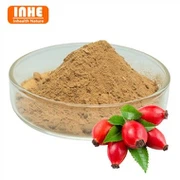
Horsetail Extract Powder (from the plant Equisetum Arvense) has been used traditionally for various health benefits, including its potential effects on bone health and osteoporosis. Horsetail extract's abundance of bioactive compounds, including silica, flavonoids, saponins, and alkaloids, is believed to be responsible for the mechanisms of action it may use to promote bone health. Here is a summary of how these compounds may affect bone health and possibly help prevent or treat osteoporosis:
Silica Content
a. Primary Mechanism: The most well-known bioactive component of horsetail extract is silica (also called silicon dioxide), which is abundant in the plant. Silica is essential for the formation and maintenance of bone structure. It contributes to synthesizing collagen, a vital protein that gives bones strength and flexibility.
b. Collagen Synthesis: Silica helps to enhance the formation of collagen, which provides the matrix for bone mineralization. Supporting bone healing processes and preserving the integrity of bones depend on this.
c. Bone Mineralization: Silica is also thought to influence the deposition of minerals like calcium and magnesium in bones, thereby contributing to bone density.
Antioxidant Effects
a. Flavonoids and Polyphenols: Horsetail extract contains flavonoids and other polyphenolic compounds, which have antioxidant properties. These compounds help protect bone cells (osteoblasts and osteocytes) from oxidative stress and damage caused by free radicals.
b. Oxidative Stress and Bone Health: Oxidative stress is a significant contributor to bone loss, particularly in conditions like osteoporosis. Antioxidants in horsetail extract may help mitigate this damage and support bone remodeling.
Bone Remodeling and Osteoblast Activity
a. Promotion of Osteoblasts: Some studies suggest that horsetail extract may stimulate the activity of osteoblasts, the cells responsible for bone formation. By promoting osteoblast activity, horsetail extract may contribute to increased bone formation and potentially help balance bone resorption (the process of breaking down bone tissue).
b. Inhibition of Osteoclasts: There is also some evidence that horsetail extract may inhibit osteoclast activity. The cells that cause bone resorption are called osteoclasts, and osteoporosis is characterized by their hyperactivity. By inhibiting osteoclasts, horsetail extract could help reduce bone loss.
Anti-inflammatory Effects
a. Reducing Inflammation: Inflammation plays a significant role in bone loss, particularly in conditions like osteoarthritis and osteoporosis. Horsetail extract contains certain compounds, like flavonoids, that may have anti-inflammatory properties and help to lessen inflammation in the tissues of the bones and joints. This may lessen the likelihood of additional bone degradation.
Calcium Metabolism
a. Supporting Calcium Utilization: Horsetail extract may have an impact on calcium metabolism, which is essential for preserving bone density. While not as directly involved in calcium absorption as other supplements like vitamin D or magnesium, horsetail extract may help in the utilization and deposition of calcium into bones by enhancing the structural matrix that supports it.
Synergistic Effects with Other Nutrients
a. Supporting Nutrient Absorption: Horsetail extract's silica and other ingredients may improve the absorption and utilization of calcium, magnesium, and vitamin D-other nutrients essential for bone health. Because of this synergy, horsetail extract may be a useful addition to a diet and supplementation regimen that promotes bone health.

what should I not mix with horsetail extract?
It's important to be cautious when mixing horsetail extract with other substances because it may interact with other medications or compounds. Here are some things you should avoid mixing with horsetail extract:
★ Diuretics (Water Pills)
Horsetail extract has mild diuretic properties, meaning it may increase urination. If you take prescription diuretics (such as furosemide or hydrochlorothiazide), combining them with horsetail extract could lead to excessive fluid loss, dehydration, or electrolyte imbalances.
★ Lithium
Horsetail extract can affect the way your body handles fluids and electrolytes, which could alter the balance of lithium in your body. This may raise the possibility of lithium toxicity, which can cause symptoms like kidney damage, tremors, and others.
★ Blood Thinners (Anticoagulants)
Horsetail extract may interact with blood-thinning medications, such as warfarin, by potentially increasing the risk of bleeding due to its diuretic and mild anticoagulant properties. This combination needs to be closely monitored.
★ Medications for Diabetes
Horsetail extract may have a mild effect on blood sugar levels, which could interfere with the action of medications like insulin or oral hypoglycemic agents. If you have diabetes, you should use horsetail extract cautiously and monitor blood glucose levels.
★ Caffeine and Stimulants
Because of its diuretic effects, combining horsetail extract with caffeine or other stimulant substances may increase the risk of dehydration.
★ High doses of Vitamin B1 (Thiamine)
Horsetail extract contains a compound called thiaminase, which breaks down thiamine (Vitamin B1). Excessive intake of horsetail extract containing high levels of thiamine may result in thiamine deficiency, which is detrimental to the health of the nervous system.
★ Other Herbal Diuretics
Combining horsetail extract with other diuretic herbs (like dandelion, parsley, or juniper) could increase the risk of dehydration or electrolyte imbalances.
★ Alcohol
Excessive alcohol consumption can impair your kidney function, and when combined with horsetail extract (which also affects the kidneys and urinary system), the risk of kidney-related issues may be increased.
what other plant extracts are good for bone health?
Numerous plant extracts may help prevent osteoporosis and promote bone health. Here are some plant-based options that may help support bone health:
Soy Isoflavones
Isoflavones in soy, particularly genistein, may act like estrogen in the body, which can be beneficial for postmenopausal women at risk for osteoporosis. Some studies suggest that soy isoflavones might help reduce bone resorption (bone breakdown) and increase bone mineral density.
Turmeric (Curcumin)
Curcumin, the active compound in turmeric, has anti-inflammatory and antioxidant properties that may help prevent bone loss. Some research suggests that curcumin may inhibit the activity of osteoclasts (cells responsible for bone resorption) and promote osteoblast (bone-forming cell) activity.
Green Tea Extract (EGCG)
Green tea contains a strong antioxidant called epigallocatechin gallate (EGCG), which has been demonstrated to prevent bone resorption. Through the stimulation of osteoblast activity, it may also aid in the formation of new bone.
Black Cohosh
Black cohosh is commonly used to alleviate symptoms of menopause, and some studies suggest it may also support bone health by reducing bone resorption. Its potential estrogen-like effects might contribute to improved bone density.
Red Clover Extract
Red clover contains isoflavones, such as formononetin and biochanin A, which may help reduce bone loss by mimicking estrogen in the body.
Ginseng (Panax ginseng)
Some studies suggest that ginseng may have bone-protective properties by enhancing osteoblast activity and promoting bone growth. Ginsenosides are the active compounds in ginseng which may also reduce bone loss.
Moringa
Calcium, magnesium, and other minerals necessary for healthy bones are abundant in moringa. According to certain research, extracts from moringa may promote bone mineralization and stop bone mass loss.
Ginkgo Biloba
Ginkgo biloba is an antioxidant and has been shown to promote blood circulation and may help with bone regeneration. According to certain research, promoting bone formation and lowering bone resorption, may help preserve bone health.
Fenugreek
Fenugreek has high amounts of phytoestrogens, which may support bone health, particularly in postmenopausal women. It may improve bone density by promoting osteoblastic activity.
Lemon Balm (Melissa officinalis)
Lemon balm is known for its calming effects, but it may also have some bone-protective properties due to its antioxidant content, which can help reduce oxidative stress and support bone metabolism.
Cissus Quadrangularis
This plant has been traditionally used in Ayurvedic medicine for promoting bone health and healing fractures. Some studies suggest that cissus extract can help improve bone mineral density and support bone regeneration.

why choose inhealth nature?
Diverse Product Offering
Inhealth Nature offers a comprehensive selection of natural ingredients, from powder to various supplements. They have solutions tailored specifically to your formulation needs.
Competitive Pricing
Although Inhealth Nature provides premium-grade products, their pricing remains highly competitive, making herbal extracts more accessible.
Quality Assurance
Inhealth Nature stands out among competitors due to their assurance to product quality. They comply with strict manufacturing standards that guarantee every batch of herbal extract produced meets these strict criteria, guaranteeing you receive reliable and stable supplements every time.
Scientific Backing
Inhealth Nature invests heavily in research and development, working closely with research institutions worldwide. This ensures their products are supported by scientific evidence for efficacy and safety - giving consumers peace of mind about the herbal extracts they're purchasing.
Global Reach
Inhealth Nature serves clients across the world with convenient shipping methods that ensure timely deliveries regardless of your location.
Welcome to let us know about what you are concerned with our Horsetail Extract Powder at kathy@inhealthnature.com.