Why Horsetail Extract is Popular in Skin and Hair Care Products?
Dec 24, 2024
what is horsetail extract?
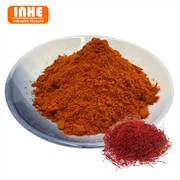
Due to Horsetail Extract Powder's high silica content, it is becoming more and more common in skincare and haircare products. A structural protein called collagen keeps skin elastic and firm. Silica is essential to collagen synthesis. The skin's ability to repair wounds and promote tissue regeneration is improved by silica. Silica aids in the production of glycosaminoglycans (GAGs), which give the skin a smooth, plump appearance and aid in moisture retention. Hair is fortified by silica because it makes the hair shaft stronger and more resistant to breaking. By improving circulation and providing the scalp with essential nutrients, silica stimulates hair follicles and speeds up hair growth. Because horsetail extract can strengthen the structural integrity of hair strands, regular use can result in hair that is healthier-looking and glossier. Horsetail extract is frequently found in face creams, serums, masks, and lotions. The goals of these products are to increase skin hydration, decrease signs of aging, and enhance general skin health. To strengthen hair, add shine, and stop breakage, horsetail extract is used in shampoos, conditioners, hair masks, and leave-in treatments. It is commonly found in topical treatments and hair growth serums.

is horsetail extract good for the skin?
Below is a detailed description of how horsetail extract benefits the skin:
Collagen and Elastin Production
a. Silica's Role: Collagen is a protein that provides structure and firmness to the skin, while elastin gives the skin its ability to stretch and return to its original shape. Both proteins are essential for keeping skin firm, smooth, and youthful. The biosynthesis of collagen and elastin depends on the mineral silica. By stabilizing the collagen matrix, it keeps the skin elastic, firm, and youthful-looking.
b. Mechanism: Silica directly contributes to collagen and elastin synthesis by facilitating the cross-linking of collagen fibers and enhancing their stability. Fine lines, wrinkles, and sagging skin appear less noticeable as a result of the skin's structure becoming stronger and more resilient to environmental stressors.
Wound Healing and Skin Regeneration
a. Promotes Faster Healing: Horsetail extract has been shown to promote the healing of wounds and skin injuries. Those who have cuts, acne scars, or other blemishes will especially benefit from this. By promoting skin cell regeneration, silica hastens the healing process and lessens the visibility of scars.
b. Cell Regeneration: Silica aids in the production of glycosaminoglycans (GAGs), which are essential for maintaining the skin's extracellular matrix (ECM). To help the skin heal from wounds or inflammation more quickly, the extracellular matrix (ECM) is essential for skin structure and tissue repair. A smoother, more even skin surface results from horsetail extract's promotion of a quicker skin cell turnover.
Hydration and Moisture Retention
a. Improves Moisture Retention: Silica in horsetail extract plays a significant role in helping the skin retain moisture. It does this by supporting the formation of glycosaminoglycans (like hyaluronic acid), which bind water molecules, keeping the skin hydrated and plump.
b. Improves Skin Texture: By retaining moisture, silica helps prevent skin dryness, flakiness, and rough texture. Well-hydrated skin appears smoother, softer, and more supple. This prevents the loss of moisture that causes wrinkles and fine lines, which is especially beneficial for people with dry or aging skin.
Antioxidant and Anti-inflammatory Properties
a. Reducing Inflammation: Horsetail extract has mild anti-inflammatory effects due to the presence of flavonoids and other compounds. This is helpful for soothing rosacea, eczema, and acne. Horsetail extract contributes to healthier, less red, or less irritated skin by lowering inflammation.
b. Antioxidant Benefits: Horsetail extract contains flavonoids and other antioxidants that help protect the skin from free radical damage caused by UV rays, pollution, and environmental stressors. These antioxidant properties shield the skin from oxidative stress and help prevent premature aging.
Skin Elasticity and Firmness
a. Supports Skin's Elasticity: The silica in horsetail extract contributes to the elasticity of the skin by helping to maintain a healthy balance of collagen and elastin fibers. The natural synthesis of these proteins decreases with age, resulting in wrinkles and loose skin. Firmer, younger-looking skin is the result of silica's ability to restore and strengthen the skin's elasticity.
b. Preventing Sagging: By strengthening the skin's connective tissues, silica helps prevent the skin from sagging, which is a common sign of aging. The jawline, neck, and under-eye area-areas that are more likely to sag-benefit greatly from this effect.
Improves Skin Tone and Texture
a. Even Skin Tone: The regenerative properties of horsetail extract contribute to a more even skin tone by promoting faster cell turnover and encouraging the growth of fresh, new skin. This can reduce hyperpigmentation, dark spots, and uneven skin tone, especially when used over time.
b. Smoothing Texture: By enhancing the skin's overall structure and boosting hydration, horsetail extract can help improve skin texture. This results in a smoother, more refined skin surface with reduced roughness or bumps.

is horsetail extract good for hair?
Here's a detailed explanation of how horsetail extract works on hair:
★ Promotes Hair Growth
a. Silica for Stronger Hair: Silica, one of the main active compounds in horsetail, plays a critical role in the production of collagen and the maintenance of the extracellular matrix in hair follicles. The structural integrity of hair depends on collagen, which makes hair strands stronger and more resilient. A lack of collagen can result in hair that is weak, brittle, and more prone to breakage. Stronger, healthier hair is encouraged by horsetail extract's ability to increase collagen production.
b. Stimulates Hair Follicles: Silica enhances the function of hair follicles by improving the circulation to the scalp, which in turn provides hair follicles with more nutrients and oxygen. Improved circulation promotes faster and thicker hair growth by stimulating hair growth. Additionally, silica promotes keratinization, which is essential for the development of robust hair strands.
c. Prolongs the Anagen Phase: The anagen phase is the active phase of hair growth. Horsetail extract extends the anagen phase, which leads to longer hair growth. Over time, thicker and longer hair results from promoting the growth cycle, which guarantees that hair spends more time in the growth phase.
★ Strengthens Hair and Reduces Breakage
a. Silica's Role in Hair Structure: Hair is primarily composed of keratin, a fibrous protein. Silica helps to supply the building blocks required for keratin synthesis. When your body has enough silica, it helps to strengthen the keratin in hair strands, preventing them from becoming weak, fragile, or prone to splitting and breaking.
b. Improves Hair Elasticity: Horsetail extract increases the elasticity of the hair shaft and fortifies the hair fibers. This increases hair's flexibility and resilience to breakage, which is especially crucial for people with dry or damaged hair. Maintaining long hair requires healthy hair elasticity, which enables the hair to stretch without breaking.
c. Prevents Split Ends: Silica's strengthening properties also help reduce the occurrence of split ends. Horsetail extract helps preserve the integrity of the hair strand, lowering the need for frequent trims by strengthening the internal structure of the hair and keeping it from becoming brittle.
★ Improves Scalp Health
a. Scalp Circulation: Silica in horsetail extract helps improve blood circulation to the scalp. Better hair growth is facilitated by increased circulation, which supplies hair follicles with more oxygen and nutrients. In addition to preventing dandruff, dryness, and oiliness of the scalp, healthy blood flow also maintains a clean and balanced environment for hair growth.
b. Anti-inflammatory Benefits: Horsetail extract has anti-inflammatory properties that can help soothe an irritated scalp. Conditions like dandruff, scalp itching, and flakiness often result from inflammation, and by reducing these symptoms, horsetail extract promotes a healthier scalp environment conducive to hair growth.
c. Fights Scalp Infections: The antimicrobial properties of horsetail extract can help combat bacterial or fungal infections on the scalp. Hair growth depends on a healthy scalp, and irritations or infections can disrupt the regular growth cycle. Hair growth-inhibiting scalp conditions can be prevented and treated with horsetail extract.
★ Enhances Hair Texture and Shine
a. Moisture Retention: Horsetail extract aids in moisture retention, ensuring that the hair remains hydrated and doesn't become dry or brittle. Well-moisturized hair tends to look shinier and feel softer, as it reflects light more effectively. By promoting hydration, horsetail extract improves the texture of the hair, leaving it smooth, soft, and manageable.
b. Improves Hair Smoothness: Silica, through its role in strengthening the hair cuticle (the outer layer of the hair), helps prevent frizz and roughness. It smooths the hair shaft and makes it appear shinier and more polished. Regular use of horsetail extract may result in a noticeable improvement in overall hair texture, making it feel silkier and softer to the touch.
★ Prevents Hair Loss
a. Strengthening Hair Roots: Horsetail extract strengthens the hair roots by nourishing the hair follicles. This ensures that the hair stays anchored in the scalp, reducing the risk of telogen effluvium (a form of hair shedding) and androgenetic alopecia (pattern hair loss). By reinforcing the strength of hair follicles and improving their health, horsetail extract may reduce hair shedding and promote thicker, denser hair.
b. Boosts Collagen in the Scalp: Collagen is an essential protein not only for hair strands but also for the surrounding scalp tissue. Horsetail extract's high silica content helps stimulate the production of collagen, which is important for keeping the scalp tissue strong and healthy. A stronger scalp structure supports better hair retention, preventing excessive hair loss.
★ Enhances Hair Color and Reduces Premature Graying
a. Pigment Retention: While horsetail extract is not a direct solution for gray hair, its ability to support overall hair health, including the strength of the hair follicle and scalp, can indirectly help slow down premature graying. Healthy hair follicles are more likely to maintain natural pigment longer, delaying the onset of gray hair.
does silica decrease with age? what should we do?
Yes, as we age, silica levels may drop, which may have an impact on connective tissue, hair, skin elasticity, and bone health. Several factors contribute to the decline in silica:
a. Decreased dietary intake: Many people, especially as they age, might consume fewer silica-rich foods.
b. Reduced absorption: The body's ability to absorb nutrients from food tends to decline with age.
c. Decreased collagen production: Silica plays a role in collagen synthesis, and as collagen production slows with age, silica needs might decrease as well.
So, what can we do to maintain or increase silica levels as we age?
Consume Silica-Rich Foods
The best way to ensure adequate silica intake is through diet. Foods rich in silica include:
a. Whole grains (like oats, barley, and brown rice)
b. Leafy green vegetables (such as spinach, kale, and parsley)
c. Fruits like bananas, cherries, and oranges
d. Root vegetables (e.g., carrots, potatoes)
e. Cucumbers, which contain silica in their skin
f. Alfalfa and horsetail, which are natural sources of silica
Silica Supplements
If dietary intake is insufficient, silica supplements may help. Supplements typically come in the form of:
a. Silicon dioxide (the most common form)
b. Horsetail extract, which is particularly rich in silica
c. Orthosilicic acid, a more bioavailable form of silica
d. Bamboo extract, another natural source of silica
However, always consult a healthcare provider before starting any new supplementation regimen.
If you would like to know more about our Horsetail Extract Powder, please feel free to contact us at kathy@inhealthnature.com.