How Does Schisandra Extract Protect the Liver?
Dec 31, 2024
what to know about schisandra extract
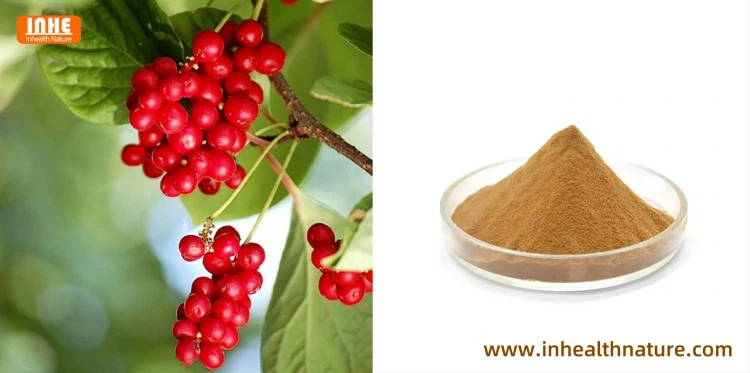
Schisandra Extract Powder, derived from the fruit of the Schisandra chinensis plant, is known for its potential hepatoprotective (liver-protecting) effects. One of the key biochemical parameters associated with liver health is glutamic-pyruvic transaminase (GPT), also known as alanine aminotransferase (ALT). Elevated levels of ALT can indicate liver damage. Certain compounds in Schisandra extract are believed to benefit liver function and help reduce elevated levels of GPT/ALT.
The active ingredients in Schisandra extract that may contribute to reducing glutamic-pyruvic transaminase (GPT) include:
★ Schisandrins
Schisandra contains several lignans known as schisandrins (schisandrin A, B, and C). These compounds are believed to have hepatoprotective effects, which help to maintain liver function and lessen the production of ALT and other liver enzymes. Schisandrins may have regenerative, anti-inflammatory, and antioxidant effects on liver cells, which can aid in lowering liver enzyme levels.
★ Schisandrol
Schisandrol is another important lignan found in Schisandra extract. In addition to preventing liver damage from oxidative stress or toxins, it has been demonstrated to support liver cell regeneration. It is possible that Schisandrol can lower elevated liver enzymes by aiding the liver's detoxification processes.
★ Schisandrine
Another lignan, schisandrine, is also thought to have antioxidant effects, which may contribute to lowering ALT levels by protecting the liver cells from oxidative damage.
★ Triterpenoids
Schisandra extract contains triterpenoids like oleanolic acid, which are known for their hepatoprotective and anti-inflammatory effects. These compounds may lessen the release of liver enzymes like ALT by shielding the liver from damage.
★ Polysaccharides
Schisandra extract also contains polysaccharides that have potential immunomodulatory and hepatoprotective effects. These may lower GPT/ALT levels by reducing inflammation and oxidative stress.
what are the effects of glutamic-pyruvic transaminase on the liver?
Glutamic-pyruvic transaminase (GPT) is an enzyme primarily found in the liver. It is necessary for the metabolism of amino acids, particularly for the conversion of alanine and α-ketoglutarate into pyruvate and glutamate. Blood tests frequently measure GPT activity as a measure of liver health.
Effects of Elevated GPT on the Liver
a. Liver Damage or Injury: GPT is released into the bloodstream when liver cells (hepatocytes) are damaged or stressed. Elevated GPT levels can indicate liver cell injury or inflammation. Conditions such as viral hepatitis, alcoholic liver disease, non-alcoholic fatty liver disease (NAFLD), and liver cirrhosis often result in elevated GPT levels.
b. Acute Liver Diseases: In acute liver diseases, such as viral hepatitis or drug-induced liver injury, GPT levels may rise significantly. The degree of GPT elevation can help clinicians assess the severity of liver damage. In severe cases, GPT levels can rise dramatically, reflecting extensive hepatocellular damage.
c. Chronic Liver Diseases: In chronic liver conditions, GPT levels may be mildly elevated or fluctuate over time. Chronic conditions like NAFLD, chronic hepatitis B or C, and cirrhosis may cause sustained or intermittent increases in GPT levels, which could indicate ongoing liver damage or disease progression.
d. Liver Function and Regeneration: While GPT elevation often suggests liver injury, it does not necessarily indicate the extent of liver dysfunction. The liver has a remarkable ability to regenerate, and GPT levels alone cannot provide a complete picture of liver function. Additional tests such as aspartate aminotransferase (AST), bilirubin, and albumin are often used alongside GPT to assess liver function more comprehensively.
Effects of Normal GPT Levels
a. Healthy Liver Function: Normal GPT levels typically indicate that the liver is functioning well, with no significant damage or inflammation. Regular monitoring of GPT levels can help track liver health, especially for individuals at risk of liver diseases.
Factors That Influence GPT Levels
a. Diet and Alcohol: Excessive alcohol consumption or a high-fat diet can lead to liver stress, potentially causing an increase in GPT levels.
b. Medications: Certain medications, like acetaminophen, statins, and anti-inflammatory drugs, can cause liver toxicity and raise GPT levels.
c. Obesity and Metabolic Disorders: Conditions like obesity, diabetes, and metabolic syndrome are associated with non-alcoholic fatty liver disease (NAFLD), which can lead to elevated GPT levels.
d. Exercise and Muscle Damage: Intense physical activity or muscle injury can sometimes cause a temporary rise in GPT levels due to the release of GPT from muscle cells.
how does schisandra extract protect the liver?
Antioxidant Activity
a. One of the primary mechanisms through which Schisandra extract protects the liver is by acting as an antioxidant. The liver is constantly exposed to free radicals due to its role in detoxifying harmful substances. Oxidative stress (imbalance between free radicals and antioxidants) can lead to liver damage, inflammation, and fibrosis. Schisandra extract's active components, particularly lignans (e.g., schisandrin A, B, and C), exhibit strong antioxidant properties. They help neutralize free radicals, reducing oxidative stress and preventing liver damage.
b. Pathway: Schisandra extract increases the activity of endogenous antioxidant enzymes like superoxide dismutase (SOD) and glutathione peroxidase (GPx). This lowers levels of reactive oxygen species (ROS) in liver cells.
Hepatocyte Regeneration
a. Schisandra extract is believed to promote the regeneration of hepatocytes (liver cells) that have been damaged due to chronic alcohol consumption, viral hepatitis, or other liver injuries. This regenerative effect aids in liver repair and enhances its functional capacity.
b. Pathway: Schisandra extract stimulates liver cell proliferation by upregulating the expression of growth factors like epidermal growth factor (EGF) and hepatocyte growth factor (HGF). These factors are essential for liver cell regeneration and tissue repair.
Anti-inflammatory Effects
a. Chronic liver diseases are often accompanied by persistent inflammation, which can lead to fibrosis or cirrhosis. Schisandra extract has anti-inflammatory properties that help reduce the production of pro-inflammatory cytokines such as TNF-α, IL-1β, and IL-6. By inhibiting these inflammatory markers, Schisandra berry extract helps to protect the liver from chronic inflammation and tissue damage.
b. Pathway: Schisandra extract inhibits the activation of the NF-κB pathway, which plays a central role in regulating inflammation. Blocking this pathway can reduce inflammatory cytokine production and prevent liver fibrosis.
Liver Detoxification and Cytochrome P450 Enzyme Modulation
a. The liver plays a critical role in detoxifying drugs, toxins, and metabolic waste products. Schisandra extract has been shown to regulate the expression of cytochrome P450 enzymes, which are involved in drug metabolism and detoxification processes. Schisandra fruit extract can enhance liver detoxification, promoting the clearance of toxic substances and reducing the risk of liver injury.
b. Pathway: Schisandra extract modulates the expression of CYP450 enzymes and phase II detoxification enzymes like glutathione S-transferase (GST), helping to neutralize and excrete harmful substances.
Fibrosis Prevention
a. Schisandra extract may also play a role in preventing liver fibrosis, which is a key feature of chronic liver diseases such as cirrhosis. By inhibiting the activation of hepatic stellate cells (which are involved in collagen production and fibrosis), Schisandra extract can help prevent the progression of fibrosis.
b. Pathway: Schisandra berry extract may reduce the activation of TGF-β1 (transforming growth factor-beta 1), a potent fibrogenic factor that promotes the activation of hepatic stellate cells and the production of extracellular matrix proteins, thus limiting fibrosis.
Regulation of Lipid Metabolism
a. Schisandra extract has been reported to help regulate lipid metabolism, which is crucial for preventing fatty liver disease (non-alcoholic fatty liver disease or NAFLD). By modulating lipid accumulation and improving insulin sensitivity, Schisandra extract can prevent or reverse liver fat deposition.
b. Pathway: Schisandra may regulate AMPK (AMP-activated protein kinase) activity, which in turn modulates lipid metabolism and reduces lipid accumulation in the liver. Additionally, Schisandra extract can reduce the expression of lipogenic genes (such as SREBP-1c) and promote fatty acid oxidation, thereby preventing lipid accumulation in hepatocytes.
Anti-Viral Effects
a. Schisandra extract has been found to have anti-viral properties, particularly in the context of chronic viral infections like hepatitis B and C, which are major causes of chronic liver disease. By inhibiting viral replication, Schisandra fruit extract can help reduce the liver's viral load and prevent further liver damage.
b. Pathway: Schisandra extract may inhibit the replication of hepatotropic viruses by modulating the immune response and blocking viral entry and replication in liver cells. This effect is likely mediated through the activation of immune response pathways and inhibition of viral enzymes.
Modulation of Apoptosis
a. Schisandra extract has been shown to influence the apoptotic pathways in liver cells, helping to prevent excessive apoptosis (programmed cell death) caused by oxidative stress, inflammation, or viral infections. By modulating apoptosis, Schisandra berry extract ensures a balance between cell death and regeneration, protecting the liver from both excessive damage and inadequate repair.
b. Pathway: Schisandra extract activates PI3K/Akt signaling, which plays a key role in cell survival and apoptosis inhibition. It also modulates the Bcl-2 family proteins to prevent apoptosis and support cell survival.

how to use schisandra extract?
Here's how Schisandra extract can be used for liver protection:
★ Recommended Dosage
The exact dosage may vary depending on the concentration of the Schisandra extract. However, typical recommended doses are:
a. For general liver support: 1-3 grams per day of Schisandra extract.
b. For specific liver conditions (e.g., fatty liver or liver detoxification): The dosage can be higher, but it should be done under the supervision of a healthcare provider.
★ Administration Methods
Schisandra extract can be taken in several ways:
a. Capsules/Tablets: If the powder is encapsulated, follow the manufacturer's dosage instructions.
b. Powder mixed with liquid: You can dissolve the powder in warm water, tea, or juice. This may be the easiest way to consume it.
c. Add to smoothies: You can mix the powder into smoothies or other food preparations.
d. As a tincture: If you have access to a Schisandra tincture, it may provide a more concentrated form of the herb.
★ Timing of Consumption
Schisandra extract is adaptogenic, meaning it helps the body cope with stress and restores balance. It can be taken at any time of day, but many people find it helpful to take it in the morning or early afternoon due to its potential energizing effects.
★ Consistency
To experience the full benefits of Schisandra extract for liver health, consistency is key. It is usually recommended to take it daily for at least several weeks, although some people take it over the long term as a preventive measure for liver health.
If you would like to have more information about our Schisandra Extract Powder, please feel free to contact us at april@inhealthnature.com.