How Does Pterostilbene Work in the Human Body?
Mar 29, 2022
What is Pterostilbene?
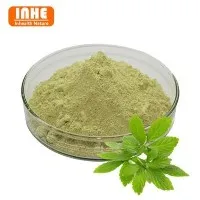
Pterostilbene powder is a polyphenolic compound, a compound found in plants, especially small berries and nuts. Blueberries are a especially rich source of pterostilbene.
"Phenol" refers to a certain chemical structure (here, the hydroxyl group attached to a benzene ring); "multi" simply means that the molecules have more than one structure. One of the main jobs of polyphenols is to assist plants in getting rid of pathogens. When consumed by humans, polyphenols act as powerful antioxidants. Multiple studies have shown that pterostilbene compound has good preventive and therapeutic effects in inhibiting melanin, anti-inflammatory, anti-ultraviolet, and skin tumors.
Scientists have been conscious of phenols since the early 19th century. Joseph Lister, a pioneer of antiseptic surgery, reported the antiseptic properties of a phenol in 1867. Although the term "polyphenol" was not first recorded in use until 1894.

Where Can We Get Pterostilbene?
The best food sources of pterostilbene supplements are foods rich in antioxidants, including blueberries, cranberries, and other berries, and to a lesser extent, red grapes.
Below is a list of the food and plant sources of pterostilbene that have been discovered so far:
● Blueberries, covering blueberry juice and extracts. Pterostilbene has been found in the berries of the Vaccinium genus, a group of shrubs that contains many kinds of berries, of which blueberries and cranberries are the most commonly available.
● Other berries, including cranberries, bilberries, or lingonberries.
● Red grapes, including berries and leaves of red grape trees.
● Pterocarpus marsupium, also known as Indian Chino tree.
● Peanuts (Arachis hypogaea).
● Sandalwood (pterocarpus santalinus).
● Others.

How Does Pterostilbene Work in the Human Body?
Antioxidant Effects
Pterostilbene combats oxidative stress by rebalancing antioxidant enzymes. In cells, it increases superoxide dismutase 1 (SOD1) and peroxiredoxin-4 (PRDX4) bound to reactive oxygen species. The researchers observed this effect in human eye cells, suggesting that pterostilbene protects against oxidative damage.
Anti-Inflammatory Effects
Many studies have shown that pterostilbene reduces inflammation mediated by tumor necrosis factor-alpha (TNF-alpha). Oxidative stress results in inflammation; pterostilbene may block TNF-α and interleukin-1b (IL-1b) by decreasing reactive oxygen species.
Pterostilbene also protects against stress within part of a cellular machinery called the endoplasmic reticulum or ER. In one study, when cells in the lining of blood vessels were exposed to pterostilbene, their ER did not respond to inflammatory signals and did not become inflamed.

Anti-Cancer Effects
Despite reducing endoplasmic reticulum pressure in the lining of blood vessels, pterostilbene actually increases ER pressure in laryngeal cancer cells. It may protect healthy cells and selectively destroy cancer cells.
In glioma (brain or spinal cord cancer) cells, pterostilbene decreases Bcl-2 and increases Bax; these changes increase cellular "suicide" signals and lead to glioma cell death.
Cancer cells use a pathway called Notch-1 to prevent themselves from chemotherapy drugs, including oxaliplatin and fluorouracil. Pterostilbene seems to block Notch-1 signaling; therefore, it can make tumors more sensitive to conventional chemotherapy.
In lung cancer cells, pterostilbene reduced the production of multiple cancer-promoting compounds (MUC1, NF-κB, CD133, b-catenin, and Sox2). Taken together, these effects reduce inflammation, making it harder for cancer cells to grow.