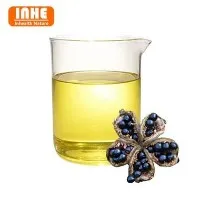
How Does Evening Primrose Oil Benefit the Skin?
Sep 09, 2025
In advanced skincare formulation, a gamma-linolenic acid (GLA) content of 8-10% in cold-pressed Evening Primrose Seed Oil marks a benchmark for high bioactive potency. This specific concentration is directly linked to exceptional anti-inflammatory and barrier-repair properties, offering formulators a powerful natural ingredient for targeted skin solutions. Such a high level of GLA provides robust soothing effects, calms sensitive and irritated skin, and strengthens the skin's natural barrier by supporting ceramide production and reducing transepidermal water loss.
what are the benefits of primrose oil in topical products?
Intense Moisturization and Barrier Repair
a. Evening primrose oil is exceptionally rich in linoleic acid (an omega-6 fatty acid) and gamma-linolenic acid (GLA) (a rare and beneficial omega-6 fatty acid). These components are crucial for maintaining the skin's lipid barrier.
b. It helps to lock in moisture, prevent transepidermal water loss (TEWL), and repair a compromised skin barrier. This makes it excellent for keeping skin hydrated, supple, and plump.
Anti-Inflammatory and Soothing Properties
a. GLA is a potent anti-inflammatory agent. When applied topically, it can help calm irritation and reduce the redness and swelling associated with inflammatory skin conditions.
b. It is particularly beneficial for soothing conditions like eczema (atopic dermatitis), psoriasis, rosacea, and general skin irritation and redness.
Improves Skin Elasticity and May Reduce the Appearance of Fine Lines
a. A healthy, well-hydrated lipid barrier is the foundation of youthful-looking skin. The fatty acids in EPO support skin structure and flexibility.
b. By reinforcing the skin's barrier and providing excellent hydration, it can help plump the skin, reducing the visible appearance of fine lines and wrinkles caused by dryness. Its antioxidant properties also offer some protection against environmental damage.
Calms Hormonal Breakouts
a. Hormonal fluctuations can disrupt the skin's balance, leading to breakouts. GLA is a precursor to prostaglandin E1, which has anti-inflammatory effects and can help regulate hormonal responses in the skin.
b. Using products with EPO can be a strategic way to manage the inflammation and breakouts that occur around the menstrual cycle.
Soothes Dry, Itchy Scalp and Conditions Hair
a. The same anti-inflammatory and moisturizing properties that benefit the skin also apply to the scalp.
b. When used in hair serums or treatments, it can help alleviate dandruff and a dry, flaky scalp. It can also add shine and softness to hair strands by coating and moisturizing them.

what topical products can primrose oil be used in?
Facial Cleansers and Makeup Removers
Evening primrose oil is used in oil-based cleansers to gently dissolve dirt, impurities, and waterproof makeup without stripping the skin's natural moisture. Its anti-inflammatory properties help soothe skin during cleansing, making it suitable for sensitive skin. For example, some commercial cleansing oils blend evening primrose oil with other botanical oils to create a non-comedogenic formula that maintains skin hydration while effectively cleansing.
Moisturizers and Creams
As an emollient, evening primrose oil enhances skin hydration by reducing transepidermal water loss (TEWL) and reinforcing the skin barrier. It is commonly included in:
a. Face creams: Formulations for dry, mature, or eczema-prone skin often contain evening primrose oil to improve elasticity, reduce roughness, and alleviate redness.
b. Body lotions: Their moisturizing properties help soothe dry, flaky skin conditions like psoriasis and eczema.
c. Eye creams: Blended with other nourishing ingredients, they can target dryness and fine lines around the delicate eye area.
Serums and Facial Oils
Evening primrose oil is a popular ingredient in serums and facial oils due to its high concentration of fatty acids and antioxidants. These products aim to:
a. Combat aging: By improving skin elasticity and reducing the appearance of wrinkles.
b. Even skin tone: The oil inhibits tyrosinase activity, which helps fade dark spots and hyperpigmentation.
c. Reduce inflammation: Its GLA content calms redness and irritation associated with acne or rosacea.
Serums often combine evening primrose oil with other oils (e.g., jojoba, avocado) or essential oils for enhanced benefits.
Hair and Scalp Treatments
Evening primrose oil is used in hair care products to promote scalp health and hair growth:
a. Scalp serums and oils: Its anti-inflammatory properties help reduce scalp inflammation and dandruff, while its antioxidant content (e.g., vitamin E) protects hair follicles from oxidative stress.
b. Hair masks: Blended with carrier oils or other ingredients, they nourish the scalp and improve hair elasticity, reducing breakage.
c. Leave-in conditioners: Provide moisture without heavy buildup, making it suitable for dry or irritated scalps.
Balms and Ointments
Due to its healing properties, evening primrose oil is incorporated into balms and ointments for targeted applications:
a. Foot balms: Soothes cracked heels and dry skin when mixed with emollients like shea butter or aloe vera.
b. Calming balms: Addresses skin irritations, such as eczema or psoriasis, by reducing inflammation and promoting repair.
Soaps and Cleansing Bars
In soap formulations, evening primrose oil acts as an emulsifier and moisturizer. Its linoleic acid content helps create gentle, quick-drying bars that cleanse without over-drying, making it ideal for sensitive skin.
what skin types and conditions are suitable for this oil?
Skin Types
a. Dry Skin: Primrose oil is highly beneficial for dry skin due to its emollient properties. It helps reduce transepidermal water loss (TEWL) and improves skin hydration by reinforcing the skin barrier.
b. Aging Skin: The antioxidant and anti-inflammatory properties of evening primrose oil may help improve skin elasticity, firmness, and reduce the appearance of fine lines and wrinkles. It also inhibits tyrosinase, which can help with hyperpigmentation.
c. Sensitive Skin (with caution): EPO's anti-inflammatory effects can soothe irritation and redness. However, patch testing is essential, as some individuals may experience allergic reactions or sensitivity.
Skin Conditions
a. Eczema (Atopic Dermatitis): EPO is often used to manage eczema due to its GLA content, which converts to dihomo-γ-linolenic acid (DGLA), an anti-inflammatory metabolite. Studies show mixed results, but some indicate improvements in skin dryness, itching, and inflammation.
b. Skin Barrier Repair: EPO's high linoleic acid content (up to 70%) supports ceramide synthesis, which strengthens the skin barrier and enhances hydration. This makes it useful for conditions involving barrier impairment, such as dryness or irritation from retinoid use.
c. Hyperpigmentation: As a tyrosinase inhibitor, EPO can help reduce melanin production, making it potentially useful for conditions like melasma or sun-induced dark spots.
Precautions and Unsuitable Skin Types
a. Acne-Prone and Clog-Prone Skin: Due to its comedogenic nature, EPO may clog pores and worsen acne in some individuals. Those with acne should patch-test and consider non-comedogenic alternatives.
b. Allergic Reactions: Although rare, EPO can cause allergic reactions, especially in individuals sensitive to plants in the Onagraceae family. Symptoms include rash, swelling, or difficulty breathing.
c. Bleeding Disorders or Surgery: EPO may increase bleeding risk and should be avoided by individuals with bleeding disorders or those scheduled for surgery.
d. Medication Interactions: EPO may interact with blood thinners, blood pressure medications, and HIV treatments like lopinavir.

can primrose oil be combined with skincare supplements?
Yes, it can be combined with other skincare supplements. The details are as follows:
Vitamins and Antioxidants
Evening primrose oil can be effectively combined with fat-soluble vitamins such as vitamin E and vitamin A, which synergistically enhance skin health. Vitamin E is a powerful antioxidant that protects skin cells from oxidative damage, while EPO provides essential fatty acids that support skin barrier function. Some studies suggest that EPO may help mitigate side effects associated with isotretinoin (a Vitamin A derivative used for severe acne), particularly by improving skin hydration during treatment. The combination of EPO with Vitamin C may also provide complementary benefits, as Vitamin C supports collagen production while EPO maintains skin moisture and elasticity.
Other Omega Fatty Acids
Combining EPO with other omega-rich supplements like fish oil (which contains omega-3 fatty acids EPA and DHA) may create a beneficial balance of fatty acids for skin health. According to the research, the ratio of omega-6 to omega-3 fatty acids is important for managing inflammatory processes in the body. A study examining EPO in combination with fish oil and calcium demonstrated positive effects on bone density. For skincare, this combination might help address inflammatory conditions like acne and eczema more effectively than either supplement alone.
Botanical Extracts and Specialty Supplements
EPO can be combined with various botanical extracts known to benefit skin health. For example, supplements containing green tea extract (rich in antioxidants), lycopene (which may protect against photodamage), and resveratrol (with anti-aging properties) may complement EPO's skin-nourishing benefits. Some skincare formulations already combine EPO with other plant-based oils like jojoba, rosehip, and argan oils, which provide additional fatty acids and phytochemicals that support skin barrier function and overall skin health.
what ingredients should NOT be mixed with this oil?
Evening primrose oil is a potent but delicate ingredient. Its efficacy hinges on its high content of polyunsaturated fatty acids (PUFAs), particularly gamma-linolenic acid (GLA). These same compounds make it highly susceptible to degradation and incompatible with certain ingredients. Here's what to avoid and why.
Chemical Incompatibilities: pH and Reactive Ingredients
A. Strong Acids (Low pH < 4)
a. High concentrations of Ascorbic Acid (LAA), Glycolic Acid, Lactic Acid, Salicylic Acid, Citric Acid (as an active, not a pH adjuster), Mandelic Acid.
b. Why to Avoid: EPO, like all oils, is a triglyceride. Strong acids can hydrolyze these triglycerides, breaking them down into free fatty acids and glycerol. This process degrades the oil, leading to rancidity, a change in odor (to a "sharp" or "off" smell), and a complete loss of its beneficial properties. It can also increase the potential for skin irritation.
B. Strong Bases (High pH > 9)
a. Sodium Hydroxide (Lye), Potassium Hydroxide, Triethanolamine (TEA) in high amounts.
b. Why to Avoid: Bases cause saponification: the chemical reaction that turns oils into soap. Adding EPO directly to a strong base will destroy it. While bases are sometimes used in small amounts to adjust the pH of a final emulsion, direct contact with concentrated alkali must be avoided.
Stability Incompatibilities: Oxidation Risks
This is the most critical category for EPO. Its PUFAs are highly vulnerable to oxidation, which is accelerated by heat, light, and reactive ingredients.
A. Unstable or Potentially Pro-oxidant Actives
a. Unstable (unencapsulated) Vitamin C (L-Ascorbic Acid), Retinol (Vitamin A), Benzoyl Peroxide.
b. Why to Avoid: These ingredients are inherently unstable and generate free radicals as they degrade. When mixed directly with EPO, these free radicals will rapidly oxidize the PUFAs. This leads to:
1) Rancidification: An unpleasant, sharp odor.
2) Discoloration: The oil and final product may turn yellow or dark.
3) Skin Irritation: Oxidized oils can compromise the skin barrier and irritate.
4) Loss of Efficacy: Both the active and the EPO lose their beneficial effects.
B. Metal Ions
a. Iron, Copper. These are rarely added directly but can be present in unpurified water or certain mineral pigments.
b. Why to Avoid: Metal ions are powerful pro-oxidants that catalyze the oxidation of unsaturated oils, drastically reducing their shelf life.
Formulation-Specific Incompatibilities
A. Certain Preservative Systems
a. Parabens (Methylparaben, Propylparaben) have been noted in some studies to have reduced efficacy in high-oil systems.
b. Why to Avoid: While not directly degrading EPO, an ineffective preservative can lead to microbial growth, which will spoil the entire product. Oil-soluble preservatives like Phenoxyethanol or Ethylhexylglycerin are generally more suitable for anhydrous products containing EPO.
B. Incompatible Emulsifiers
a. This is less about a single ingredient and more about selecting the wrong emulsifier for your system. Using an emulsifier with a low Hydrophilic-Lipophilic Balance (HLB) for an oil-in-water emulsion can lead to instability and separation.
b. Why to Avoid: Formulation instability (separation, graininess) won't degrade the EPO itself but will create an ineffective and unappealing product.
If you would like to know more about our Evening Primrose Seed Oil or company, please do not hesitate to contact us at shaw@inhealthnature.com.