How Does Berberine HCL Powder Fight Bacteria?
Nov 18, 2025
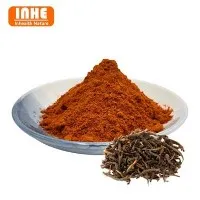
Berberine Hydrochloride Powder is an alkaloid drug derived from plants (such as Coptis chinensis and Phellodendron chinense) that has antibacterial, anti-inflammatory, and intestinal function-regulating effects. Berberine hydrochloride's antibacterial mechanism includes inhibiting DNA replication, RNA transcription, protein expression, and related enzyme activity, thereby disrupting bacterial cell surface structures. Due to these numerous influencing factors, bacteria exhibit very low resistance to berberine HCL.
How does Berberine HCL Powder fight bacteria?
Disruption of the Bacterial Cell Membrane
a. Alteration of Membrane Fluidity and Permeability: The bacterial lipid bilayer can be penetrated by berberine HCL molecules. Lipid molecules are arranged differently as a result of this interaction, which increases membrane fluidity and produces pores or channels. This results in a loss of membrane integrity and increased permeability.
b. Leakage of Intracellular Components: The compromised membrane barrier results in the uncontrolled efflux of essential ions (such as K⁺ and Ca²⁺), nucleotides, proteins, and other small molecular weight substances from the cell cytoplasm.
c. Loss of Proton Motive Force: The proton gradient, or proton motive force, which propels ATP production and active transport, depends on the cell membrane. This gradient is dissipated by membrane disruption, which hinders the intake of nutrients and energy generation.
d. Inhibition of Membrane Protein Function: Berberine HCL can attach to important membrane-embedded proteins, prevent them from functioning, and disrupt cellular homeostasis and transport mechanisms.
Intercalation into Microbial DNA and Inhibition of Nucleic Acid Synthesis
a. DNA Intercalation: The flat structure of the berberine molecule allows it to slide between the stacked base pairs of bacterial DNA, which is known as intercalation. This changes the DNA structure and physically blocks enzymes from moving along the strand.
b. Inhibition of DNA Replication: The intercalated berberine molecules stop the action of topoisomerases, like DNA gyrase, and other replication enzymes. This effectively halts DNA duplication and cell division.
c. Suppression of RNA Transcription: Berberine distorts the DNA template, preventing RNA polymerase from accurately reading the genetic code. This stops the synthesis of mRNA and slows down the production of new proteins.
Inhibition of Protein Synthesis and Enzyme Activity
a. Ribosome Binding: Berberine can bind to the bacterial ribosome, specifically the 50S and 30S subunits. This binding disrupts the initiation and elongation steps of translation, stopping the assembly of amino acids into functional polypeptides.
b. Inhibition of Key Metabolic Enzymes: Berberine acts as a competitive inhibitor for certain enzymes. A well-known example is its inhibition of sortase A in Gram-positive bacteria, an enzyme essential for attaching virulence factors to the cell wall. It also inhibits other enzymes like N-acetyltransferase and β-glucosidase, interrupting vital metabolic pathways.
c. Protein Misfolding and Aggregation: By affecting the cellular environment and chaperone systems, berberine can promote the misfolding and aggregation of newly synthesized proteins, making them non-functional.
Suppression of Bacterial Virulence and Biofilm Formation
a. Inhibition of Biofilm Formation: Berberine suppresses the expression of genes involved in biofilm formation (e.g., genes for adhesion and exopolysaccharide production), making bacteria more susceptible to host defenses and antibiotics.
b. Reduction of Virulence Factor Production: As mentioned, berberine can inhibit the activity of sortase A, which is responsible for displaying surface proteins that facilitate adhesion to host tissues and evasion of the immune system. It also downregulates the production of toxins and other secretory virulence factors.
c. Interference with Quorum Sensing: Berberine can disrupt bacterial cell-to-cell communication (quorum sensing) by interfering with the signaling molecules (autoinducers) or their receptors. Since quorum sensing regulates virulence and biofilm formation, its inhibition attenuates the bacteria's ability to cause disease.
Induction of Oxidative Stress within Bacterial Cells
a. Generation of Reactive Oxygen Species (ROS): Berberine metabolism within the bacterial cell can lead to the production of reactive oxygen species (ROS), such as superoxide anions (O₂⁻), hydrogen peroxide (H₂O₂), and hydroxyl radicals (•OH).
b. Overwhelming Antioxidant Defenses: At high enough concentrations, the ROS generated overwhelm the bacterium's antioxidant defense systems (e.g., superoxide dismutase, catalase).
c. Oxidative Damage to Cellular Components: The accumulated ROS causes widespread damage, including lipid peroxidation of membranes, oxidation of proteins leading to loss of function, and damage to DNA, ultimately driving the cell toward apoptosis-like death.

What bacteria can berberine hydrochloride fight against?
Gram-Positive Bacteria
Berberine demonstrates particularly strong activity against various Gram-positive bacteria, which are often associated with skin, soft tissue, and respiratory infections.
a. Staphylococcus aureus: This includes antibiotic-sensitive strains. Notably, berberine has shown inhibitory effects against Methicillin-Resistant Staphylococcus aureus (MRSA), a major multidrug-resistant pathogen. It can reduce MRSA's virulence and biofilm formation.
b. Staphylococcus epidermidis: A common cause of infections associated with medical implants, berberine is effective against both planktonic cells and biofilms formed by this species.
c. Enterococcus spp.: Berberine is active against Enterococcus faecalis and Enterococcus faecium. Studies have indicated potential synergistic effects with antibiotics like ampicillin against Vancomycin-Resistant Enterococci (VRE).
d. Streptococcus spp.: This includes species like Streptococcus pyogenes (which causes strep throat) and Streptococcus pneumoniae (a cause of pneumonia). Berberine can inhibit their growth and hemolytic activity.
e. Bacillus spp.: Berberine is effective against Bacillus subtilis and Bacillus cereus, the latter being a cause of food poisoning.
Gram-Negative Bacteria
While generally less potent against Gram-negative bacteria due to their protective outer membrane, berberine still exhibits significant activity against several important species.
a. Escherichia coli: Berberine has inhibitory effects on various strains of E. coli, including some diarrheagenic pathotypes. Its activity can be limited against some uropathogenic strains but is often enhanced with combination therapy.
b. Salmonella spp.: Berberine is effective against Salmonella typhi (the cause of typhoid fever) and Salmonella Typhimurium (a cause of food poisoning). It can reduce bacterial invasion into intestinal epithelial cells.
c. Shigella spp.: These bacteria, which cause dysentery, are susceptible to berberine, which is a basis for its traditional use in treating bacterial diarrhea.
d. Helicobacter pylori: Berberine has demonstrated the ability to inhibit the growth of H. pylori, the primary cause of peptic ulcers and gastritis. It can also reduce its adhesion to gastric epithelial cells.
e. Pseudomonas aeruginosa: This multidrug-resistant opportunistic pathogen is less susceptible, but berberine can inhibit its biofilm formation and the production of key virulence factors like pyocyanin and elastase, making it more vulnerable to other agents.
f. Klebsiella pneumoniae: Berberine shows activity against both classical and hypervirulent strains. It can be particularly useful in disrupting the thick polysaccharide capsule, a major virulence factor.
Anaerobic Bacteria and Other Species
Berberine's activity extends to certain anaerobic bacteria and other specific pathogens.
a. Propionibacterium acnes (Cutibacterium acnes): Berberine is effective against this skin-dwelling bacterium, which is implicated in the pathogenesis of acne vulgaris. Its anti-inflammatory and antibacterial properties make it a candidate for topical treatments.
b. Clostridium spp.: Studies have shown berberine to be active against Clostridium perfringens and may have an inhibitory effect on toxin production.
What are the common uses for the antibacterial effects?
Gastrointestinal Infections and Diarrhea
This is one of the most well-established and traditional uses of berberine hydrochloride, particularly for bacterial diarrheas.
a. Bacterial Diarrhea: Berberine is effective against a range of enteric pathogens, including Escherichia coli, Salmonella species, Shigella species (which cause bacillary dysentery), and Vibrio cholerae. It reduces bacterial adhesion to the gut lining and the production of enterotoxins.
b. Traveler's Diarrhea: Due to its broad-spectrum activity against common causative agents, it is used prophylactically and therapeutically for traveler's diarrhea.
c. Gut Microbiome Modulation: While targeting pathogens, berberine appears to have a selective effect, generally sparing beneficial gut bacteria, helping to restore a healthy microbial balance after infection.
Skin and Soft Tissue Infections
The antibacterial and anti-inflammatory effects of berberine hydrochloride make it suitable for topical application to manage skin infections and conditions.
a. Acne Vulgaris: Berberine, often in topical gels or creams, is effective against Cutibacterium acnes (formerly Propionibacterium acnes). It inhibits the growth of this bacterium and reduces the associated inflammation and pus formation in acne lesions.
b. Impetigo and Folliculitis: It is used to treat superficial skin infections caused by Staphylococcus and Streptococcus species.
c. Infected Wounds and Burns: Berberine-containing formulations can be applied to prevent and treat bacterial colonization in wounds and burns, reducing the risk of sepsis and promoting healing. Its activity against MRSA is particularly valuable in this context.
Helicobacter pylori Eradication Therapy
Berberine is studied as a potential adjunct in the multi-drug regimens used to eradicate H. pylori.
a. Adjunctive Treatment: While not a first-line monotherapy, berberine can inhibit the growth of H. pylori and reduce its adhesion to the gastric mucosa. It may improve the efficacy of standard triple or quadruple therapy, particularly against some antibiotic-resistant strains.

is berberine HCL Powder an antibiotic?
No, it is not classified as a conventional antibiotic.
While it possesses significant antibacterial properties, it lacks the formal classification and spectrum of a modern, targeted antibiotic drug.
The key distinction lies in its mechanism of action, spectrum of activity, and clinical application, which differ from those of prescribed antibiotics.
Comparison of Mechanisms of Action
A. Berberine Hydrochloride:
Multi-Targeted Action: Works through several mechanisms simultaneously.
a. Membrane Disruption: Can interfere with and damage the bacterial cell membrane.
b. Inhibition of Bacterial Adhesion: Prevents bacteria from attaching to host cells, a crucial first step in establishing an infection.
c. Inhibition of Bacterial Protein Synthesis: Binds to bacterial ribosomes, hindering their ability to produce essential proteins.
d. Biofilm Interference: Shows some ability to disrupt bacterial biofilms, which are protective communities that make bacteria resistant to antibiotics.
B. Conventional Antibiotics:
Specific, Targeted Action: Each antibiotic class has a distinct, primary molecular target.
a. Cell Wall Synthesis Inhibition: Used by penicillin and cephalosporins to cause bacterial cell lysis.
b. Protein Synthesis Inhibition: Used by tetracyclines and macrolides, but at specific ribosomal subunits different from berberine.
c. Nucleic Acid Synthesis Inhibition: Used by fluoroquinolones and rifamycins to block DNA or RNA replication.
d. Metabolic Pathway Disruption: Used by sulfonamides and trimethoprim.
Comparison of Spectrum and Resistance
A. Berberine Hydrochloride:
a. Broad-Spectrum, but Limited: Its clinical efficacy is most established for specific gut pathogens.
b. Low Risk of Resistance: The multi-targeted mechanism makes it difficult for bacteria to develop specific resistance, though it is not impossible.
B. Conventional Antibiotics:
a. Defined Spectrum: Are specifically categorized as narrow-spectrum (targeting a few species) or broad-spectrum (targeting a wide range). Chosen by clinicians based on the identified or suspected bacteria causing an infection.
b. High Risk of Resistance: The specific, single-target action of many antibiotics leads to a high and well-documented risk of bacterial resistance.
Comparison of Clinical Applications
A. Berberine Hydrochloride:
a. Primary Use: Management of infectious diarrhea and bacterial gastroenteritis.
b. Emerging Research Areas: Investigated for its potential benefits in metabolic syndromes, including type 2 diabetes, high cholesterol, and PCOS, due to its effects on cellular metabolism.
c. Often Adjunctive: Sometimes used alongside conventional antibiotics to enhance efficacy or manage side effects.
B. Conventional Antibiotics:
a. Systemic Infections: Used to treat serious systemic infections like pneumonia, sepsis, urinary tract infections, and skin infections.
b. Prophylaxis: Administered before surgery to prevent infections.
c. Standard of Care: The first-line, evidence-based treatment for most confirmed bacterial infections throughout the body.
Feel free to reach out to us at april@inhealthnature.com for the professional services of Berberine Hydrochloride Powder: free sample requests, product technical documentations (specifications, TDS, COA, MSDS, and so on), customized solution consultations, and business partnership discussions.