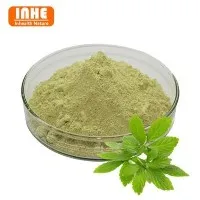
Green Tea Extract v.s. Matcha Extract
May 29, 2026
The nutraceutical, functional food, and cosmetic industries have long relied on green tea (Camellia sinensis) for its bioactive polyphenols, particularly epigallocatechin-3-gallate (EGCG), the most extensively studied catechin for antioxidant, anti-inflammatory, and metabolic benefits. Yet when formulators must choose between Green Tea Extract EGCG Powder and Matcha Extract, the decision is not trivial. Though both come from the same plant, they diverge sharply in chemical identity, bioavailability, regulatory status, and applications. This article provides a systematic, evidence-based comparison to help brands select the optimal ingredient and maximize formulation efficacy.
botanical source, process, and chemical identity
Green Tea EGCG Powder
EGCG (Epigallocatechin Gallate) is the most abundant catechin in green tea, accounting for approximately 50-80% of total catechins in fresh leaves.
To obtain Green Tea EGCG Powder at ≥90% purity, we employ solvent extraction (water or aqueous ethanol) followed by column chromatography, crystallization, or membrane separation. This process removes fiber, chlorophyll, and non-target catechin fractions, yielding a standardized, EGCG-enriched extract. Typical specifications for commercial EGCG powder:
a. Purity: 50-98% EGCG (by HPLC)
b. Caffeine: <1% (decaffeinated grades) or <5% (regular grades)
c. Other catechins: <5% combined
d. Appearance: Off-white to white powder
Matcha Extract
Matcha is not an extract in the conventional sense; it is a finely ground powder (5-10 microns) produced from shade-grown tea leaves (tencha). The shading process (20-30 days before harvest) increases chlorophyll, theanine, and caffeine content while reducing bitter catechins.
When labeled as "Matcha Extract," this refers to a concentrated version obtained via water/ethanol extraction of matcha leaves. Note: Some commercial "matcha extracts" are simply standard green tea extracts rebranded with added chlorophyll. Authentic matcha-based extracts retain a characteristic catechin-theanine-caffeine profile distinct from standard green tea extracts. Typical composition of authentic matcha extract:
a. EGCG: 8-15%
b. Total catechins: 30-50%
c. Theanine: 3-8%
d. Caffeine: 2-4%
e. Chlorophyll: 0.5-2%
f. Dietary fiber: <5% (water/ethanol extraction removes insoluble fiber)


bioavailability
1. Green Tea EGCG Powder: High Purity with Absorption Challenges
Free EGCG has low oral bioavailability in humans, with systemic exposure typically reaching only 0.1-2% of the ingested dose. Primary barriers to absorption:
a. Efflux transporters (P-glycoprotein, MRP2) in enterocytes
b. Rapid glucuronidation and sulfation in the liver and intestine
c. Low intestinal permeability
d. Poor stability: Degrades within 2 hours at pH 7.4, 37°C
When formulated with bioavailability enhancers, pure EGCG powder can achieve significantly higher systemic exposure:
|
Formulation technology |
Bioavailability increase (vs. free EGCG) |
|
With piperine (black pepper extract) |
2-5× |
|
With quercetin |
3-8× |
|
Phospholipid Complex |
5-10× |
|
Nano-encapsulation (liposomes) |
3-8× |
|
With gallic acid |
2-3× |
Key Considerations for B2B Formulators
a. Stability issue: Unformulated EGCG degrades rapidly in aqueous environments (t₁/₂ <2 hr at physiological pH)
b. Proven solutions: Phospholipid complexation and nanocarrier systems significantly improve stability and permeability
c. Application-specific selection:
- Solid dosage forms (tablets/capsules): phospholipid complex preferred
- Liquid/beverage applications: nanoliposome or cyclodextrin inclusion complex recommended
2. Matcha Extract: Lower EGCG per Gram but Multiple Effects
Matcha extract contains other catechins (EC, EGC, ECG) and theanine, along with fiber-bound phenolics. These components may:
a. Compete for efflux transporters (P-gp, MRP2), potentially increasing net absorption of individual catechins
b. Alter gut microbiota composition, leading to production of bioactive metabolites (e.g., short-chain fatty acids, γ-valerolactones)
c. Provide sustained release along the GI tract, only 67% of matcha dry matter is released in the stomach, and 86% in the stomach + small intestine; the remaining 14% (including fiber-bound phenolics) reaches the large intestine
d. Deliver higher total polyphenol exposure, matcha shows 2.6× higher total phenols than Sencha in the gastric phase, and 3.4× higher in the intestinal phase
Important Consideration
However, actual plasma EGCG levels from matcha extract are still lower than from purified, enhanced EGCG formulations on a per-mg-EGCG basis, due to the lower EGCG concentration per gram and the lack of targeted bioavailability enhancement.
3. How to Choose
A. For systemic effects (metabolic syndrome, anti-inflammatory, and neuroprotection)
a. Recommended product: Green Tea EGCG Powder with bioavailability enhancers (phospholipid complex, nanocarriers, or piperine)
b. Why: Systemic effects require high plasma EGCG levels. Enhanced formulations achieve 4-5× higher AUC compared to free EGCG.
B. For local gut effects (colonic antioxidant activity, prebiotic-like effects, and gut microbiota modulation)
a. Recommended product: Matcha extract
b. Why: Fiber-bound phenolics reach the colon, modulate gut microbiota, increase short-chain fatty acids (SCFAs), and provide sustained release along the gastrointestinal tract.
C. For total polyphenol exposure (broad-spectrum antioxidant benefits)
a. Recommended product: Matcha extract
b. Why: Matcha provides significantly higher total phenols, flavonoids, and antioxidant activity during digestion compared to regular green tea.
applications in dietary supplements (Nutraceuticals)
Green Tea EGCG Powder
|
Product Dosage |
Suitability |
Notes |
|
Capsules (vegan/gelatin) |
Excellent |
Fill weights 200-600 mg; use decaffeinated grade for evening formulas |
|
Tablets (direct compression) |
Good |
Requires excipients; bitter taste is not an issue in swallow tablets |
|
Stick packs (powder blends) |
Excellent |
Can be combined with vitamin C, zinc, quercetin, or xylitol |
|
Gummies |
Fair (low dose only) |
Bitter masking required; typical max 50 mg EGCG per gummy |
|
Chewables |
Poor |
Strong bitterness is difficult to mask |
A. Advantages:
a. Meets clinical trial EGCG levels: Reproducible dosing (600-800 mg/day used in human studies)
b. Decaffeinated grades available: Caffeine <1%; suitable for evening use and sensitive populations
c. Clean-label declaration: Green tea extract (standardized to 90-98% EGCG)
d. cGMP-friendly: Consistent potency across batches
e. Compatible with certifications: Vegetarian, Halal, Kosher, and cGMP available
f. Predictable taste profile: High-purity EGCG eliminates caffeine bitterness, gallic acid sourness, and oxidation off-notes
B. Disadvantages:
a. Bitter, astringent taste: Intrinsic molecular property (activates TAS2R39 bitter receptors; precipitates salivary proline-rich proteins); requires masking for orally dissolving formats
b. Poor stability in gut: 80% degrades within 1 hour at pH 7.4, 37°C; requires enteric coating or absorption enhancers for systemic bioavailability
c. Higher cost per kg: Compared to low-purity green tea extracts (45-60% catechins); reflects additional purification steps (chromatography, crystallization)
C. Stability & Formulation Notes:
EGCG is sensitive to light, temperature, and pH >6
a. Recommended preservative: Ascorbic acid (vitamin C) improves stability during digestion
b. Bioavailability enhancement strategies:
- HPMCP enteric coating: 4-11× improvement
- γ-Cyclodextrin encapsulation: up to 14.4% absorption vs. 2.8% for unformulated
- Iron oxide chitosan nanoparticles: 8.5× bioavailability improvement
Matcha Extract
|
Product Dosage |
Suitability |
Notes |
|
Pre-workout blends |
Good |
Natural caffeine + theanine + EGCG provide relaxed alertness; supports endurance, fat oxidation, and recovery |
|
Immune shots |
Fair |
Difficult to achieve high EGCG without delivering excess caffeine |
|
Whole-food supplements |
Excellent |
Clean-label positioning; "matcha +" formulations align with consumer preference for whole-food ingredients |
|
Protein powders |
Good |
Pairs well with vanilla or chocolate masking; commercial success examples available |
A. Key Limitation
To achieve a target EGCG dose (e.g., 500 mg) from matcha extract:
|
Matcha Extract Grade |
Extract Needed |
Caffeine Delivered (2-4%) |
|
12% EGCG (typical) |
4.2 g |
84-168 mg |
|
8% EGCG (conservative) |
6.25 g |
125-250 mg |
Context: A standard cup of coffee contains 95-200 mg of caffeine. This caffeine level is problematic for:
a. Evening use (sleep disruption)
b. Caffeine-sensitive individuals (jitters, anxiety)
c. Populations with caffeine restrictions
B. Advantages of Matcha in Formulations
a. Natural caffeine + L-theanine synergy: Provides sustained energy without jitters or crash
b. Clean-label compatible: Single-ingredient declaration appeals to transparency-focused consumers
c. Multifunctional: Delivers color (chlorophyll), flavor (grassy), and functional compounds (catechins, theanine, fiber) from one ingredient
d. Supports recovery: EGCG reduces exercise-induced oxidative stress and inflammation
e. Fat oxidation support: EGCG + caffeine synergistically increase metabolism and fat burning during exercise
C. Formulation Considerations
a. Taste masking: Pairs well with vanilla, chocolate, cinnamon, or chai spices
b. Particle size: Finer grind blends more smoothly with fewer clumps
c. Protein compatibility: Dissolves well in both whey and plant-based protein ingredients
d. Caffeine management: Use decaffeinated grade for evening formulas or caffeine-sensitive populations
e. EGCG dosing: For high EGCG requirements (>300 mg/serving), consider purified EGCG powder as an alternative
Applications in functional foods and beverages
Matcha extract dominates this category for good reason:
1. Naturally soluble in water and milk (no precipitation issues)
2. Provides attractive green color (appealing for "superfood" aesthetics)
3. Good flavor profile from theanine (does not require bitter masking)
4. Aligns with consumer perception of "clean label" and "traditional"
5. Successful product examples: Matcha lattes and ready-to-drink (RTD) teas, protein bars (green swirl effect), energy chews and mint tablets, yogurt and smoothie mixes, and ice cream and frozen desserts.
Green Tea EGCG Powder in Foods: Challenging but Possible
EGCG powder is rarely used directly in beverages because of extreme bitterness at >50 mg per serving. However, innovative solutions exist:
|
Technology |
Application |
Effectiveness |
|
β-cyclodextrin encapsulation |
Clear ready-to-drink (RTD) teas |
Good; masks bitterness, maintains clarity |
|
Nano-emulsions |
Functional waters |
Very good; improves solubility and stability |
|
Liposomal encapsulation |
High-end wellness shots |
Excellent; also enhances bioavailability |
|
Flavor-masking systems |
Gummies, chewables |
Variable; adds cost |
Recommendation: Use matcha extract for flavor-forward functional products. Reserve Green Tea EGCG Powder for high-potency applications that require zero color change and precise dosing, and plan for encapsulation or flavor-masking technology.
applications in cosmetics
Green Tea EGCG Powder
A. Proven cosmetic benefits (clinical evidence):
a. Photoprotection: Reduces UVB-induced matrix metalloproteinase (MMP-1, MMP-3) expression in a concentration-dependent manner at 0.1-1% concentration
b. Anti-acne: Inhibits Cutibacterium acnes growth; may help regulate sebum production
c. Anti-glycation: Prevents collagen cross-linking and AGE formation by trapping reactive dicarbonyl species
d. Anti-inflammatory: Reduces PGE2, IL-6, and other pro-inflammatory cytokines in keratinocytes
e. Scar modulation: May help control excessive scarring by modulating TGF-β1 signaling (note: not a wound healing accelerator)
B. Formulation advantages:
a. Pure EGCG is colorless and odorless at typical use levels (0.1-0.5%)
b. Water-soluble and compatible with most aqueous systems
c. Stable at pH 4-6 with chelators (EDTA, citric acid); optimal stability at pH <4
d. Does not interact with titanium dioxide or zinc oxide in sunscreens
e. Suitable for serums, toners, gels, emulsions, and sheet masks
Matcha Extract
A. Benefits:
a. Provides antioxidant activity (though lower per mg than purified EGCG)
b. Caffeine content offers a temporary de-puffing effect (eye creams)
c. Chlorophyll provides mild anti-inflammatory and deodorizing properties
d. Natural green color appeals to "clean beauty" marketing
B. Significant formulation challenges:
a. Chlorophyll causes a green tint that may be undesirable in leave-on products (acceptable in masks or clay cleansers)
b. Fiber particles (from whole matcha) can settle in gels and lotions, leading to sedimentation
c. Batch-to-batch color variation (problematic for brand color consistency)
d. Lower stability: chlorophyll photo-oxidation leads to brownish discoloration over time
C. Where matcha extract works in cosmetics:
a. Green clay masks (color is expected)
b. Exfoliating cleansers (particulate matter accepted)
c. Novelty K-beauty products (transparent gels with visible green particles)
d. Foot creams and body scrubs

stability and shelf life
Comparison
|
Storage condition |
Green Tea EGCG Powder (≥95%) |
Matcha Extract (15% EGCG) |
|
Ambient, dry, dark (powder) |
18-24 months |
12-18 months |
|
Ambient, dry, light-exposed (powder) |
18-24 months (gradual yellowing) |
6-12 months (faster due to chlorophyll) |
|
Refrigerated (2-8°C) |
24-36 months |
18-24 months |
|
In solution (pH 4-6, aqueous, with chelators, 25°C) |
4-8 weeks |
1-2 weeks |
|
In solution (pH 7 or higher) |
Days to weeks (rapid oxidation) |
Days (very unstable) |
Stability enhancers for liquid formulations:
a. Add 0.05-0.1% EDTA (disodium or tetrasodium)
b. Maintain pH between 4.0 and 5.5 (citrate buffer)
c. Use amber or opaque packaging
d. Consider nitrogen blanketing during manufacturing
e. For EGCG powder: Cyclodextrin encapsulation significantly extends solution stability (duration depends on formulation and packaging)
Conclusion
For capsules and dry blends, both ingredients are acceptable in dry dosage forms (capsules, tablets, stick packs). However, matcha extract degrades faster than purified EGCG powder when exposed to light or moisture, due to residual chlorophyll and lipids.
US and EU regulations
United States (FDA / DSHEA)
A. Green Tea EGCG Powder
a. GRAS status: Generally recognized as safe (GRAS) for use in beverages at ≤0.5% under 21 CFR §182.20 (essential oils, oleoresins, and natural extractives)
b. Dietary supplements: No prior approval required; must comply with cGMP (21 CFR 111)
c. Labeling: Must declare as "Green tea extract" with standardized EGCG content (e.g., "standardized to 95% EGCG")
d. Structure/function claims: Allowed with FDA disclaimer ("This statement has not been evaluated by the FDA...")
e. Important note: Highly purified EGCG (≥95%) or products using novel extraction technologies may require an independent GRAS determination
B. Matcha Extract
a. Pure matcha powder: Classified as a conventional food or a dietary ingredient
b. Matcha extract: Subject to the same regulations as green tea extract
c. EGCG declaration: Not required unless standardized
d. Caffeine disclosure: Recommended if caffeine content exceeds 10 mg/serving (e.g., for pre-workout products)
European Union (EFSA / Novel Food)
A. Green Tea EGCG Powder
a. EFSA safety opinion (2018): Up to 800 mg/day EGCG from supplements considered safe for adults; caution advised above 800 mg due to potential serum transaminase elevations
b. EU Regulation (EU) 2022/2340 (effective December 2022):
- Individual food portion must contain <800 mg EGCG
- Labels must declare: maximum daily portions, EGCG content per portion, and a warning not to consume 800 mg or more of EGCG daily
c. Regulation (EC) No 1925/2006: Must comply with the addition to foods
d. Novel Food status: Generally not required for traditional green tea extracts; however, certain high-purity or novel-specification extracts may require Novel Food evaluation under Regulation (EU) 2015/2283
B. Matcha Extract
a. Matcha powder: Not considered novel (traditional food with pre-1997 consumption history)
b. Matcha extract labeling: Must not mislead consumers
c. EFSA Article 13 health claims: No matcha-specific health claims approved; general green tea catechin claims remain under review
How to choose
Choosing between Green Tea Extract and Matcha Extract ultimately depends on your product goals, target market, and formulation requirements.
|
If your priority is… |
Recommended ingredient |
|
High-dose EGCG for systemic effects (metabolic, anti-inflammatory, neuroprotection) |
Green Tea Extract Powder with bioavailability enhancers |
|
Ready-to-drink beverages or food products where flavor and color matter |
Matcha Extract |
|
Clear, color-free anti-aging serums or sunscreens |
Green Tea Extract Powder |
|
A "clean label" whole-food supplement positioning |
Matcha extract (or matcha powder) |
|
Caffeine-free or low-caffeine formulations |
Green Tea Extract Powder (decaffeinated grade) |
|
Cost-efficient production of high-potency capsules |
Green Tea Extract Powder |
|
Local gut health or prebiotic-type applications |
Matcha extract |
|
Dry dosage forms (capsules, tablets, stick packs) |
Either: but protect matcha from light and moisture |
Are you formulating a new supplement, functional food, or cosmetic product and need high-quality Green Tea Extract EGCG Powder or Matcha Extract?
Whether you require a specific purity grade, a customized bioavailability-enhancing blend, or technical support for your formulation, we are here to help.
Contact us today: shaw@inhealthnature.com. Request a sample or discuss your project with our technical team.
References
1. Mereles, D., & Hunstein, W. (2011). Epigallocatechin-3-gallate (EGCG) for clinical trials: more pitfalls than promises? International Journal of Molecular Sciences, 12(9), 5592-5603.
2. Lambert, J. D., & Elias, R. J. (2010). The antioxidant and pro-oxidant activities of green tea polyphenols: A role in cancer prevention. Archives of Biochemistry and Biophysics, 501(1), 65-72.
3. Koch, W., et al. (2020). Green tea extracts from different origins – variability of catechins and caffeine content. Foods, 9(3), 338.
4. Hsu, S. (2005). Green tea and the skin. Journal of the American Academy of Dermatology, 52(6), 1049-1059.
5. Granja, A., et al. (2022). EGCG nanocarriers: A promising strategy to improve the bioavailability and therapeutic efficacy of green tea polyphenols. Journal of Controlled Release, 348, 111-130.
6. Zhang, Y., et al. (2024). Matcha green tea: Bioactive components, health benefits, and gut microbiota modulation – A comprehensive review. Food Research International, 175, 113-124.
7. EFSA Panel on Food Additives and Flavourings (2022). Safety of green tea catechins from dietary sources. EFSA Journal, 20(6), e07334.