Do You Really Know GABA in Depth?
Apr 20, 2022
What is GABA?
Gamma-aminobutyric acid (GABA) is a naturally existing amino acid that functions as an inhibitory neurotransmitter in the human cortex. Neurotransmitters act as chemical messengers.
GABA is regarded as an inhibitory neurotransmitter because it inhibits or blocks specific brain signals and reduces the activity of central nervous system. When GABA sticks to a protein in the brain called GABA receptor, it produces a sedative effect. This can help relieve feelings of stress, anxiety, and fear. It may also help prevent epilepsy.
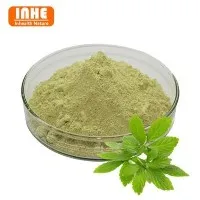
In recent years, GABA Pure Powder has been widely used as a food supplement.

How Did Human Discover GABA?
Gamma-aminobutyric acid (GABA) is a four-carbon non-protein amino acid found in bacteria, plants, and vertebrates. It was initially found in plants by Steward et al. In 1949. It was identified in mammalian brains by Roberts and Frankel in 1950. Later on, it was also identified in animals and several other organisms (including bacteria and fungi) by Roberts and Eidelberg in 1960 and by Bouche et al. in 2003 respectively. In vertebrates, it was discovered, by Satya Narayan and Nair in 1990, that GABA can act as an inhibitory neurotransmitter in the central nervous system.

How Does GABA Work in Human Body?
When a neuron receives a message called an "action potential," that message is passed on to another neuron in a series of steps.
However, about 30 to 40 percent of neurons contain GABA. These are called GABAergic neurons. When GABAergic neurons receive messages, they release GABA into the synapses that are supposed to transmit the messages. The release of GABA triggers a response that makes the action potential less likely to be transmitted to other neurons.
GABA activity lasts only a few milliseconds, but can have an important impact. In the brain, it produces a calm effect. In the spinal cord, this process allows sensory information integration, which means it allows your nervous system to process and organize information from the senses.

How Can We Get GABA?
Pure Gaba exists naturally in various foods and some fermented foods, and could be obtained from a normal diet. Detailed food sources of GABA are as below:
Fermented Gaba is present in some fermented foods, such as: tempeh, kimchi, miso, fermented fish, Zlatar cheese, sourdough, fermented durian, sake, yogurt-sake, mulberry beer, fermented buffalo milk, and so on.
Other foods that may contain GABA include peas, brown and red rice, wheat and barley, mature green potatoes, spinach, kale, broccoli, sweet potatoes, chestnuts, white Chinese tea and etc.
Any further information about our GABA Pure Powder, please do not hesitate to contact bella@inhealthnature.com.