Alpha GPC Powder v.s. PS Powder, Which One is Better?
Mar 27, 2026
As widely recognized natural nootropic ingredients, Alpha GPC 50% Powder and PS (Phosphatidylserine) Powder are staples in dietary supplements and functional foods. This overview addresses key industry challenges, including formulation stability, bioavailability, and clean-label demands, offering practical insights to help manufacturers select effective, appropriate ingredients. The following points highlight how these two ingredients can be applied to meet diverse product needs.
product properties and current international applications
Alpha GPC Powder
1. Product Features
Alpha GPC (L-α-glycerylphosphorylcholine) is a highly bioavailable source of choline and a choline phospholipid derivative. As a water-soluble phospholipid metabolic intermediate naturally present in the human body, it serves as a precursor for the synthesis of the neurotransmitter acetylcholine. Its key features include:
a. High Bioavailability: It can efficiently cross the blood-brain barrier, which is an effective source of choline for the brain.
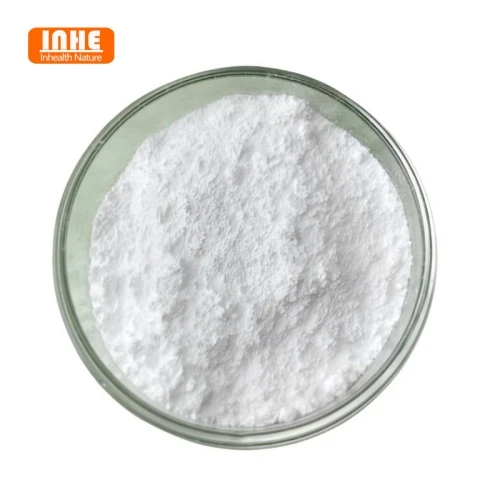
b. Form and Purity: It is usually found as a fine, white, and uniform powder. The 50% refers to the concentration of the active Alpha GPC ingredient. 50% concentration is a common standard. Higher purity levels (e.g., 60%, 99%) are available.
c. Stability: To improve stability and mask any undesirable odors, the 50% powder is often produced using techniques like microencapsulation, which also protects it from oxidation. It is commonly manufactured using solvent extraction methods and is available with certifications like Halal, Kosher, and food-grade status.
2. International Regulations
Alpha GPC powder is widely recognized as a safe and effective ingredient for cognitive and physical health. The regulatory status and applications of this ingredient differ by region.
a. United States: The FDA considers Alpha GPC a Generally Recognized as Safe (GRAS) substance, allowing its use in various foods and dietary supplements.
b. Canada: It is approved for use as a Natural Health Product. Additionally, since 2023, it has also been permitted as a supplemental ingredient in supplemented foods to serve as a source of supplemental choline.
c. Japan: As one of the first countries to approve it (in 2009), Japan recognizes it as a non-medical ingredient. It is commonly used in "Foods with Functional Claims" to support cognitive function and physical performance.
d. European Union: Alpha GPC is currently classified as a Novel Food. A novel food application for its use in food supplements is pending authorization, but it is not yet broadly approved for general food use.
e. China: Recently approved as a New Food Ingredient (in 2024), with a recommended daily intake of ≤600 mg.
3. Current Applications
Given its regulatory status, Alpha GPC powder is used in a wide range of consumer products targeting cognition, focus, and physical performance. These include functional beverages, solid beverages, protein powders, nutrition bars, soft gels, capsules, and tablets.
Phosphatidylserine (PS) Powder
1. Product Features
Phosphatidylserine (PS) is a natural phospholipid compound and a key structural component of cell membranes, with the highest concentrations found in brain cells. It is typically derived from non-GMO soybeans or sunflower lecithin. Its key features include:
a. Natural Origin: It is a natural product made through an enzymatic process involving phospholipids and L-Serine.
b. Form and Purity: It is a light yellow to off-white, fine, and uniform powder. While the user specifically asked about "PS Powder," common commercial specifications include 20%, 50%, and 70% concentrations. The 20% concentration is frequently used in finished products like tablets and capsules.
c. Stability: As a phospholipid, it requires careful handling and packaging to prevent oxidation and clumping. Solvent extraction methods are used to ensure high purity and low residual solvents.
2. International Regulations
Phosphatidylserine is a well-established functional ingredient with a global regulatory footprint, though specific rules vary.
a. United States: The FDA classifies plant-derived PS as GRAS, allowing its use in various foods. The typical recommended intake is up to 300 mg per day.
b. European Union: PS is approved as a Novel Food Ingredient (soy-based since 2009, fish-based since 2017; bovine sources are prohibited). From 2026 onward, products must bear a label stating "may enhance cognitive function." Strict limits apply to use in infant formula.
c. China: PS is listed as a New Food Ingredient, permitted for use in all foods except those for infants and young children. The daily intake limit is 600 mg. Since 2025, PS has been included in the Health Food Raw Materials Directory, shortening approval timelines.
d. Other Regions: Israel has specific restrictions, PS is prohibited in infant/young child foods, with maximum limits in dairy products (e.g., 20 mg/100ml in milk). ASEAN countries are working toward harmonized health food ingredient standards expected by 2028.
3. Current Applications
PS powder is primarily used for cognitive health applications. The 20% powder is commonly used in tablets and soft capsules. Besides this, it is versatile enough to be used in functional foods and beverages, including protein bars, milk products, and powder formulations, thanks to its fine particle size and good blendability.

application directions, target People, and product forms
Alpha GPC Powder
A. Main Focus
a. Cognitive Health + Physical Performance
b. Also supports neurological health and serves as a nootropic for mental clarity.
B. Target People
a. Middle-aged and elderly individuals interested in cognitive health maintenance.
b. Students and working professionals seeking to support focus and mental performance.
c. Athletes and fitness enthusiasts looking to support power output, neuromuscular function, and recovery.
C. Product Forms
Alpha GPC Powder is available in several formats suitable for various manufacturing applications:
a. Powder / Granules: A 50% fine powder, often water-soluble, used for direct supplementation or as a base for other products.
b. Capsules / Tablets: Commonly used for solid dosage forms, often utilizing a granular version of the 50% powder for easier encapsulation.
c. Sports Drinks & RTD Beverages: The water-soluble powder variant is specifically suited for incorporation into ready-to-drink beverages and powdered drink mixes.
d. Energy Bars / Functional Foods: Can be incorporated into food products such as nutrition bars and other functional foods.
Phosphatidylserine (PS) Powder
A. Main Focus
a. Cognitive Health + Stress Management + Metabolic Health
b. Plays a key role in maintaining neuronal membrane integrity, supporting memory, and modulating the body's stress response by helping to regulate cortisol levels.
B. Target People
a. Middle-aged and older adults are interested in supporting memory and cognitive function, particularly in the context of age-related cognitive changes.
b. High-pressure workers / Students: Individuals facing high cognitive loads or chronic stress who may benefit from support for attention, mental clarity, and a balanced stress response.
c. Athletes: Used to help manage cortisol levels after intense training and support recovery.
d. Individuals interested in mood support: May help support a positive mood and healthy emotional response, particularly when combined with omega-3s.
C. Product Forms
Phosphatidylserine is manufactured in various concentrations and formats to suit different product types:
a. Powder / Granules (20%): A common concentration used for bulk supplementation and as an ingredient in functional foods and beverages.
b. Capsules / Softgels: A standard delivery format, often filled with powder or a fluid form of PS.
c. Tablets: Used for solid dosage forms requiring higher compression.
d. Functional Foods: Can be incorporated into a wide range of products, including drinks, biscuits, dairy products (like yogurt and milk), and nutritional bars.
adverse reactions and special populations
Alpha GPC Powder
A. Tolerability and Adverse Reactions
Alpha GPC is generally considered to be well-tolerated when used appropriately. When taken orally, it has been rarely associated with mild gastrointestinal issues such as nausea, vomiting, heartburn, and diarrhea. Other infrequent side effects can include headaches, dizziness, insomnia, excitation, and skin rash.
B. Special Populations
Pregnancy and Lactation: There is currently insufficient reliable information available regarding the safety of Alpha GPC during pregnancy or breastfeeding. Therefore, it is generally recommended to avoid use in these populations.
Phosphatidylserine (PS) Powder
A. Tolerability and Adverse Reactions
Phosphatidylserine has been widely researched and is shown to have a strong safety record, being well-tolerated by different groups of people.
a. General Tolerability: Numerous clinical trials have demonstrated that taking phosphatidylserine does not cause significant adverse effects on common biochemical and blood safety markers, blood pressure, or heart rate.
b. Adverse Reactions: Studies involving elderly individuals and children with ADHD reveal that the frequency of side effects is comparable between those taking phosphatidylserine and those given a placebo. No notable differences in side effect profiles have been observed. Some research has noted minor effects such as a slight decrease in resting diastolic blood pressure and a small amount of weight gain after prolonged use.
B. Special Populations
a. Elderly Individuals: PS is regarded as a safe dietary supplement for older adults. Research has confirmed its tolerability in elderly people without dementia at doses like 300 mg daily for 15 weeks and 100 mg daily for 30 weeks.
b. Children: Studies support the safety and tolerability of ps in children. In trials with children diagnosed with ADHD, taking phosphatidylserine enriched with omega-3 fatty acids for up to 30 weeks was found to be safe, with no adverse effects on body weight or growth.
c. Pregnancy and Lactation: While specific safety data for PS in pregnant or nursing women is not detailed in the search results, it is always recommended that individuals in these groups consult a healthcare provider before supplementation.
technical characteritics and formulation suitablity
Alpha GPC Powder
A. Technical Characteristics
Alpha GPC is a hydrophilic compound with distinct physicochemical properties that require careful handling.
a. High Hygroscopicity: Alpha GPC is highly hygroscopic, readily absorbing moisture from the surrounding environment. When exposed to high humidity conditions (e.g., >60% relative humidity), it can transform from a white crystalline powder into a sticky, semi-solid mass. This moisture sensitivity necessitates rigorous moisture protection during storage and processing.
b. Microencapsulation Technology: To address stability challenges, microencapsulation is widely employed. This technology encapsulates the active ingredient in a protective shell layer, which effectively isolates it from air, moisture, and light. Microencapsulated forms typically appear as white to off-white free-flowing granules with significantly improved damp-proof properties compared to standard powder.
c. Taste Masking: Unprocessed Alpha GPC can have an unpleasant or bitter taste. Microencapsulation effectively masks this taste, making it more suitable for use in food and beverage applications where palatability is essential.
B. Formulation Suitability
The water solubility and enhanced stability of Alpha GPC make it highly versatile for various product formats.
a. Water-Soluble Formulations: Alpha GPC is freely soluble in water, with solubility exceeding 50g per 100ml of water at room temperature. This exceptional water solubility makes it ideal for liquid formulations such as functional beverages, ready-to-drink products, and solid beverages.
b. Powder Blends and Tableting: The material is suitable for mixing with other powders and can be used in tableting applications. Microencapsulated granular forms offer improved flowability, which is beneficial for efficient tableting and capsule filling processes.
c. Versatile Product Applications: Alpha GPC can be incorporated into a wide range of formats, including capsules, tablets, protein powders, pre-workout mixes, and nutrition bars. Its stability across a pH range of 5-7 and compatibility with various ingredients further support its broad formulation versatility.
Phosphatidylserine (PS) Powder
A. Technical Characteristics
Phosphatidylserine is a natural phospholipid that requires specific measures to maintain its functional integrity.
a. Oxidation Susceptibility: PS is prone to oxidative damage, which can alter its molecular structure and reduce its functional properties. Oxygen, light exposure, high temperatures, and certain metal ions (such as iron and copper) can accelerate this oxidation process.
b. Antioxidant Combination: To mitigate oxidation, combining PS with antioxidants such as vitamin E is an effective strategy. Vitamin E can participate in radical exchange reactions that delay the oxidation of phospholipids like PS, thereby preserving their stability. Other antioxidants, such as vitamin C, may also provide protective effects.
c. Advanced Stabilization Techniques: Modern stabilization approaches include microencapsulation and lipid-based encapsulation technologies, which can significantly extend the shelf life of PS (e.g., extended from 6 months to over 24 months) by creating a protective barrier against environmental factors.
B. Formulation Suitability
PS is available in various concentrations, each suited to different product applications.
a. High-Concentration PS for Capsules and Tablets: Higher concentration formulations (e.g., 50%, 70% purity) are well-suited for capsules and tablets, where a smaller dosage form is desirable. These formats allow for efficient delivery of the desired amount of PS per serving.
b. Low-Concentration PS for Food Fortification: Lower concentration PS (e.g., 20%) is commonly used for food fortification applications. It can be incorporated into functional foods such as biscuits, dairy products, powdered milk, and nutrition bars.
c. Specialized Formats for Beverages: For liquid applications, water-dispersible forms of PS have been developed to overcome the traditional issue of precipitation in beverages. These forms disperse quickly and remain stable without floating or settling, making them suitable for oral liquids, dairy drinks, and other beverage products.
d. Solid and Semi-Solid Applications: Beyond capsules and tablets, PS can be used in solid dosage forms such as pressed candies (with typical additions of 0.1–0.3g per piece) and can also be incorporated into soft gel capsules (e.g., 500mg marine capsules delivering 100mg of PS).
Whether selecting Alpha GPC 50% Powder or PS Powder, the choice depends on your formulation goals and market positioning, as both offer distinct yet equally valuable benefits. To explore how these nootropics can elevate your product line, reach out for collaboration at april@inhealthnature.com.