

Agar Powder Market: Global Trends & B2B Sourcing Guide
Jun 19, 2026
The global agar agar powder market sits at the dynamic crossroads of plant-based food innovation, biotechnology expansion, and pharmaceutical development. As the premier "vegetable gelatin" derived from red seaweed, agar agar powder has established itself as an irreplaceable ingredient across multiple industries. This comprehensive guide examines the product overview, market dynamics, application scenarios, and quality parameters, providing B2B buyers with practical guidance for sourcing decisions.
With approximately 55-65% of total consumption driven by the food and beverage sector, and high-purity grades commanding premium pricing in microbiology and pharmaceutical applications, the Agar Agar Powder Wholesale market offers substantial opportunity for strategic buyers. Market valuations ranged from $348 million to $585 million in 2024, with projections reaching $780 million to $870 million by 2032-2033.
Product overview
1. Definition and Source
Agar agar (CAS 9002-18-0, E406) is a natural hydrophilic colloid extracted from red seaweed species, primarily Gracilaria, Gelidium, and Pterocladia. It is a polysaccharide complex composed of two principal fractions: agarose (a neutral gelling polymer that provides gel strength), and agaropectin (a charged sulfated polymer that influences gelling properties).
The extraction process involves washing, alkali treatment, hot water extraction, filtration, gelation, and dehydration. The resulting product is a tasteless, odorless, colorless powder that dissolves in hot water (≥85°C) and solidifies upon cooling.
Critical Physical Properties:
a. Melting point: 85-95°C
b. Gelling point: 32-40°C (1.5% solution after autoclaving)
c. Gel strength: >800 g/cm² (1.5% gel, Nikkan method)
d. pH range: 6.0-7.5 (1.5% gel after autoclaving)
e. Loss on drying: ≤12%
f. Ignition residue: ≤5%
The unique hysteresis lag (the significant temperature differential between melting and gelling) makes agar agar irreplaceable in applications requiring thermal stability and defined gelation timing.
2. Agar Powder vs. Strips, Flakes, and Square Forms
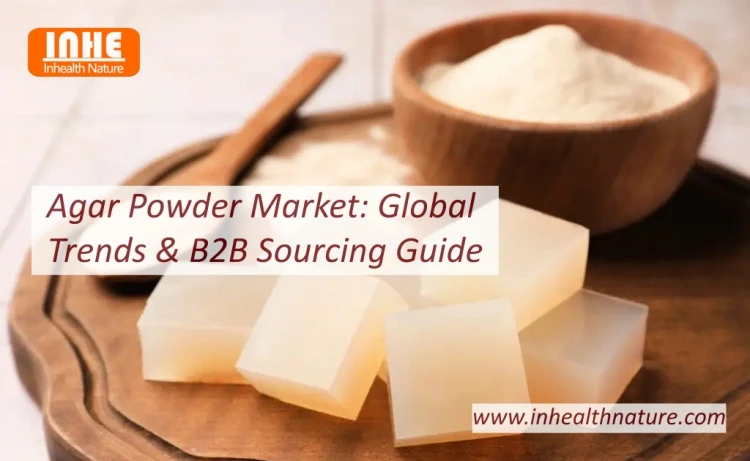
Rapid dissolution, consistent dispersion, and precise measurement capabilities are the advantages of powder form that drive its dominant position in the global agar agar market, even though the ingredient is also available in strips, flakes, and square cuts. According to industry reports, powder accounts for the majority of commercial consumption.
The choice of form significantly impacts processing efficiency, application suitability, and cost structure, as summarized below:
|
Form |
Key Characteristics |
Primary Applications |
|
Powder |
Rapid dissolution, consistent dispersion, precise measurement, and automation-compatible |
Industrial food processing, microbiology media, and pharmaceutical formulations |
|
Strips |
Traditional form, slower dissolution, and requires pre-soaking |
Small-scale food production, culinary use, and Asian confectionery |
|
Flakes/Square |
Intermediate dissolution rate, traditional appearance |
Specialty confectionery, regional culinary traditions |
The market is progressively shifting toward powder formulations, as industrial-scale production demands higher efficiency, batch-to-batch consistency, and compatibility with automated processing lines. While strips and flakes relate to traditional and craft-based applications, their share has been gradually reduced by the operational advantages of powder.
Key Consideration for B2B Buyers: For industrial-scale production, minimizing pre-processing time and reducing labor costs are critical priorities. Powder form directly addresses these needs through superior dissolution efficiency, batch consistency, and compatibility with automated processing. At Inhealth Nature, our premium agar agar powder features controlled particle size distribution to ensure rapid hydration and consistent gel performance across every batch.
3. Product Grades: Food, Bacteriological, and Pharmaceutical
The agar powder market is segmented by purity grade, with each purity level serving distinct end-user requirements:
A. Food Grade
a. Applications: Confectionery (jelly, gummies, yokan), dairy alternatives, meat processing, bakery fillings, and beverages
b. Quality Parameters: Gel strength typically 500-1,200 g/cm², controlled heavy metals, meets national food safety standards (e.g., GB 1886.239-2016 in China, FDA 21 CFR 184.1115 in the US, and E406 in the EU)
c. Key Selling Point: Clean-label appeal as a plant-based, calorie-free alternative to gelatin, rich in dietary fiber
B. Bacteriological/Microbiology Grade
a. Applications: Microbial culture media preparation, clinical diagnostics, bacterial and fungal growth studies
b. Quality Parameters: Higher purity standards, minimal inhibition of microbial growth, controlled gel clarity and firmness, standardized particle size for consistent performance
c. Key Selling Point: Inert nature ensures no interference with microorganism growth; ideal for selective and differential media formulations
C. Pharmaceutical/USP Grade
a. Applications: Tablet coatings, laxative preparations, controlled-release systems, capsule excipients, tissue engineering scaffolds
b. Quality Parameters: Tighter purity specifications, USP or Ph. Eur. compliance, low endotoxin levels, consistent gelling behavior for dosage performance
c. Key Selling Point: Enables plant-based capsule shells (vegan alternatives to gelatin) and sustained-release drug delivery systems
global market overview
1. Market Size and Growth Trajectory
The global agar agar powder market is valued at approximately $350 million to $700 million as of 2024, depending on the reporting scope and methodology. Leading industry reports project the market to reach $500 million to $1.2 billion by the mid-2030s, reflecting a compound annual growth rate (CAGR) of approximately 2.5% to 6.5%.
The Food and Beverage sector accounts for approximately 80-90% of total consumption, while high-purity applications in biotechnology and pharmaceuticals continue to drive value growth.
2. Regional Landscape: Production and Consumption
A. Asia-Pacific: The Global Dominant Market
The Asia-Pacific region is the absolute core of the global agar market, holding approximately 67% of the global market share. It simultaneously serves as the world's largest production center and the largest consumer market.
a. China is the world's largest agar producer, accounting for about 60% of global output. Its production heavily relies on abundant Gracilaria and Gelidium resources along its coastal provinces.
b. Indonesia and Chile are key raw material suppliers globally. Indonesian Gracilaria, in particular, plays a vital role in securing the global supply chain.
B. Europe: Quality and Regulatory Excellence
European agar production is concentrated in Spain and Portugal, with a strong emphasis on producing high-purity, high-gel-strength agar derived from Gelidium seaweed.
a. Market Characteristics: The European market imposes stringent requirements on product quality and regulatory compliance, which serves as a key driver for market growth in the region.
C. North America: High-Value Growth Market
North America is a significant net importer of agar, with steadily growing demand characterized by high-value applications. The U.S. market, in particular, shows substantial demand across food, pharmaceutical, and biotechnology sectors.
a. Growth Drivers:
- Plant-Based Alternatives: Surging demand for plant-based gelatin substitutes.
- Clean-Label Trends: Growing consumer preference for natural and simple ingredient lists.
- Research Expansion: Continued growth in microbiology research and the broader biotechnology industry.
D. Emerging Regions: Latin America, Middle East & Africa
Latin America, the Middle East, and Africa represent high-potential growth markets for agar.
a. Latin America: Market growth is driven by the expansion of the food processing industry, alongside rising consumer awareness of agar's nutritional benefits for gut health.
b. Middle East & Africa: Steady growth in food processing, combined with increasing demand for halal-certified products and long-shelf-life food stabilizers, forms the core drivers of market expansion in this region.
3. Key Market Drivers
A. Plant-Based and Vegan Trends
The structural shift toward plant-based eating is a primary growth catalyst. Agar agar's positioning as "vegetable gelatin" makes it the preferred gelling agent for products targeting vegan, vegetarian, and flexitarian consumers. The global gummy market alone was valued at $23.93 billion in 2023 and is expected to grow at 11.8% CAGR through 2030, driven by functional and fortified gummies and plant-based product interest.
B. Clean Label Movement
Agar agar extraction involves simple processing with minimal chemical modification, aligning with consumer expectations for recognizable, natural ingredients. Its classification as a natural food additive with the E406 designation supports clean-label claims.
C. Microbiological and Biotechnology Expansion
Agar remains the gold standard solidifying agent for microbial culture media. Clinical microbiology, pharmaceutical quality control, environmental testing, and food safety testing drive sustained demand for bacteriological-grade agar.
D. Functional Food and Dietary Fiber
Agar's high fiber content (approximately 80%), zero calories, and prebiotic potential are increasingly recognized by consumers and formulators. These attributes support applications in weight management products and gut health formulations.
E. Competitive Dynamics
The industry is characterized by a significant disparity in production scale, where a few leading manufacturers collectively command a dominant share of global capacity, while a fragmented tail of regional producers serve localized demand.
market application share
1. Application Share Overview
|
Application Sector |
Estimated Share |
Key Functions |
Growth Outlook |
|
Food & Beverages |
60-65% |
Gelling, thickening, stabilizing, and clarifying |
Steady (5-7% CAGR) |
|
Pharmaceuticals & Biotechnology |
20-25% |
Culture media solidification, drug delivery systems, and capsule shells |
Strong (7-9% CAGR) |
|
Cosmetics & Personal Care |
5-10% |
Thickening, emulsion stabilization, and film-forming in masks and lotions |
Growing (8-10% CAGR) |
Note: The food and beverage sector remains the largest application segment, accounting for the majority of global agar consumption. Pharmaceuticals and biotechnology represent the fastest-growing value segment, driven by expanding microbiology research and plant-based pharmaceutical formulations. Cosmetics and personal care constitute a smaller but rapidly emerging niche, aligned with clean beauty trends.
2. Food and Beverage Applications
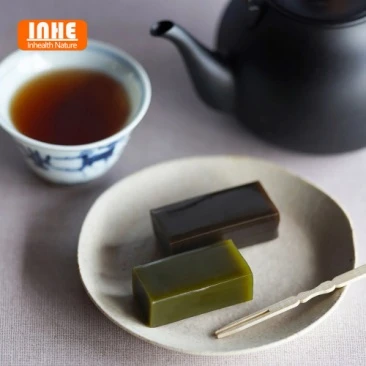
A. Confectionery (Gummies, Jellies, Yokan, and Soft Candies)
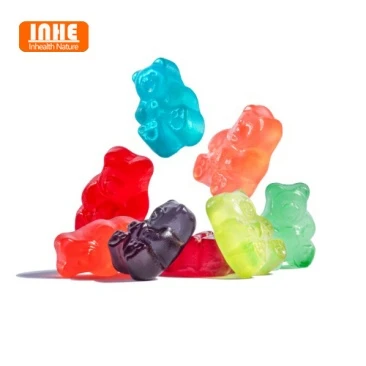
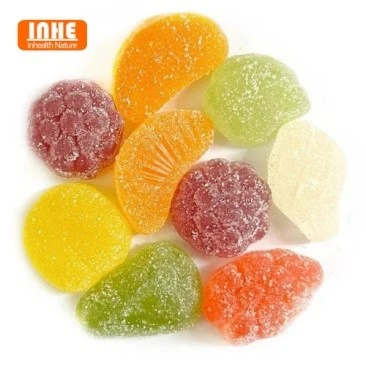
Agar agar serves as a gelatin alternative in plant-based confections, offering a firmer, more thermally stable gel. Gummy candies represent a particularly strong growth segment, as consumer preference shifts toward vegan and vegetarian confectionery products. Agar's thermoreversibility allows re-melting and re-forming, which is valuable in complex molding processes. Its high fiber content and zero-calorie profile further enhance its appeal in the functional confectionery space.
B. Dairy Alternatives
Plant-based yogurts, desserts, ice creams, and cheese products use agar as a stabilizer to mimic the texture and mouthfeel of dairy products. Agar's ability to form stable gels at low concentrations makes it an efficient ingredient for achieving creamy textures in non-dairy formulations.
C. Meat Processing
Agar functions as a fat replacer and binder in processed meats and plant-based meat analogues, contributing to juiciness and texture retention. As the plant-based meat market expands, agar is increasingly adopted to improve the structural integrity and mouthfeel of meat alternatives.
D. Beverages
Used as a clarifying agent in juices, wine, and vinegar, and as a stabilizer in functional drinks. Its natural origin and clean-label compatibility make it a preferred choice for beverage manufacturers seeking to replace synthetic additives.
3. Microbiology and Biotechnology
Bacteriological-grade agar is the standard solidifying agent for microbial culture media in clinical diagnostics, food safety testing, environmental monitoring, and pharmaceutical quality control. Its inert nature ensures:
a. No interference with microbial growth
b. Stable surface for colony morphology observation
c. Appropriate hardness and clarity for plate preparation
d. Compatibility with sterilization by autoclaving
Concentration Guidelines
a. General microbiological culture media: 1-2%
b. Motility testing: 0.5%
c. Anaerobes and microaerophiles: ≤ 0.1%
The global agarose and agar culture media market is projected to grow steadily, driven by increasing R&D activities, rising demand for food safety testing, and expanding clinical diagnostic services.
4. Pharmaceutical Applications
A. Controlled-Release Drug Delivery
Agar matrices enable sustained release profiles for oral medications. The hydrophilic nature of agar allows for gradual drug release, improving therapeutic efficacy and patient compliance.
B. Capsule Shells
Plant-based alternatives to gelatin capsules for vegan and religiously compliant dosage forms. Agar-based capsules offer excellent oxygen barrier properties and stability across a wide range of humidity conditions.
C. Tissue Engineering
High-purity, low-endotoxin agar shows potential for tissue scaffold applications. Research indicates that agarose-based hydrogels support cell adhesion and proliferation, making them suitable for bone, cartilage, and skin regeneration studies.
5. Cosmetics and Personal Care
Agar functions as a thickener, emulsion stabilizer, and film-former in lotions, shampoos, hair gels, masks, and toothpaste. Its natural origin and mildness align with "clean beauty" trends.
Key Benefits in Cosmetics
a. Thickening: Provides viscosity control without synthetic thickeners
b. Emulsion stabilization: Prevents phase separation in creams and lotions
c. Film-forming: Creates smooth, spreadable textures in masks and gels
d. Natural appeal: Supports formulations targeting eco-conscious consumers
The demand for agar in cosmetics is expected to grow at a robust rate as personal care brands increasingly adopt plant-derived, biodegradable ingredients to meet evolving consumer preferences.
Agar Agar Powder Applications
Gummies

Jelly
Yokan
Soft Candies
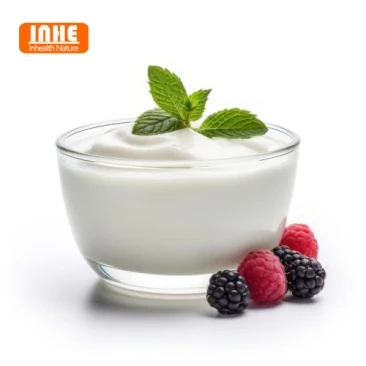
Vegan Yogurt
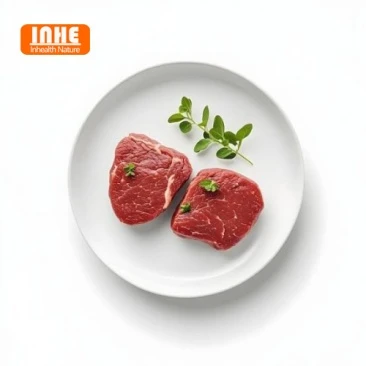
Vegan Meat
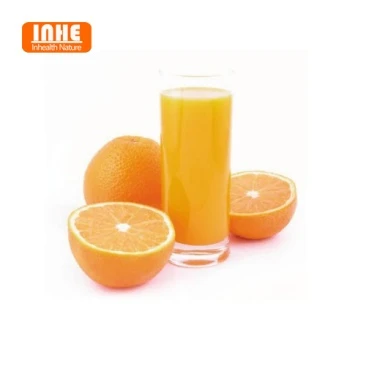
Juices

Functional Drinks
critical quality parameters for B2B sourcing
For agar agar powder buyers, understanding and verifying quality parameters is essential to ensuring product performance and regulatory compliance. The following parameters are of paramount importance:
1. Gel Strength (Bloom Value)
A. Definition: The force required to penetrate a standard 1.5% agar gel at 20°C. Expressed in g/cm².
B. Industry Standards:
a. Food grade: 800-1,200 g/cm²
b. Bacteriological grade: typically 800-1,200 g/cm²
c. High-strength specialty grades: 1,200-1,800 g/cm²
C. Why It Matters: Gel strength directly determines the required usage level. Higher gel strength allows lower addition rates, impacting formulation economics. Consistency in gel strength across batches ensures reproducible product quality.
D. Verification: Reputable suppliers provide a Certificate of Analysis (CoA) with gel strength testing results using standardized methods.
2. pH Stability
A. Optimal Range: 6.0-7.5 (1.5% gel after autoclaving)
B. Critical Issue: Agar hydrolysis occurs at a pH below 4.0, resulting in loss of gelation capacity. This is particularly important for formulations involving acidic ingredients (citrus, fruit purees, and acidic buffers).
3. Moisture Content and Loss on Drying
A. Bacteriological grade standard: ≤12% loss on drying
B. Food grade (JECFA): ≤22% loss on drying
C. Implications: High moisture content can affect powder flow, storage stability, and microbial growth risk. It also influences yield economics; excess moisture means paying for water content.
4. Ash Content and Ignition Residue
A. Bacteriological grade standard: ≤5% ignition residue
B. Food grade (JECFA/USP): ≤6.5%
C. Reflects: Mineral content and processing efficiency. Lower ash generally indicates higher purity, which is particularly important for bacteriological and pharmaceutical grades.
5. Heavy Metals
A. Food and pharmaceutical regulations require controlled limits for:
a. Arsenic (As): ≤3 ppm per JECFA, as low as ≤1 ppm in some markets
b. Lead (Pb): ≤5 mg/kg per JECFA; ≤10 ppm per USP
c. Mercury (Hg)
d. Cadmium (Cd)
B. Different markets have varying standards. Japanese and European buyers typically enforce stricter limits than other regions.
6. Microbiological Quality
A. Total Plate Count: Must meet specifications for intended end-use (≤5,000 CFU/g per JECFA)
B. Pathogens: Salmonella, E. coli, and Staphylococcus aureus must be absent
C. Microbiology grade agar must support bacterial growth without inhibition.
7. Particle Size
A. Bacteriological-grade agar powder typically passes through a 40 ASTM screen; specifications may vary by manufacturer. Controlled particle size ensures:
a. Consistent dissolution characteristics
b. Accurate weighing and dispensing
c. Reduced dust generation
Inhealth Nature maintains rigorous quality control across all parameters, with batch-level CoA available upon request. Our agar powder is sourced from carefully selected raw material origins and processed under GMP conditions to ensure parameter consistency and regulatory compliance.
Common FAQ
Q1: Which regions are the largest producers and consumers of agar agar?
A: Asia-Pacific is both the largest producer and consumer, driven by China (dominant manufacturer), Japan, and Southeast Asian countries. Europe maintains a premium production position in Spain and Portugal. North America is the largest net-importing region, with growing demand from the plant-based food and biotechnology sectors.
Q2: What is the difference between food grade, bacteriological grade, and pharmaceutical grade agar?
A: Food-grade meets safety standards for human consumption and is primarily used in confectionery, dairy alternatives, and meat processing. Bacteriological grade has higher purity standards, minimal microbial inhibition, and consistent gel clarity for culture media. While gel strength specifications for food-grade and bacteriological-grade overlap significantly in the middle range (800-1,200 g/cm²), they differ in purity standards, raw material sources, and testing rigor. Pharmaceutical/USP grade complies with pharmacopeia standards (USP or Ph.Eur.) with low endotoxin levels, suitable for drug delivery, tablet coatings, and controlled-release systems. Each purity commands different pricing based on purity and testing rigor.
Q3: What is driving growth in the agar powder market?
A: Key drivers include: (1) plant-based and vegan food trends positioning agar as "vegetable gelatin"; (2) clean-label movement favoring natural ingredients; (3) expanding biotechnology and microbiology research; (4) functional food demand for high-fiber, low-calorie ingredients; and (5) pharmaceutical innovation in controlled-release systems and vegan capsule development.
Q4: What causes agar to fail in gelling applications?
A: Common reasons include: (1) pH below 4.0, causing hydrolysis; (2) insufficient heating (agar must reach ≥85°C to dissolve); (3) incorrect concentration; (4) excessive autoclaving time or temperature damaging gel structure; (5) interactions with certain electrolytes.
Q5: What certifications should a reliable agar supplier hold?
A: B2B buyers should verify: Halal certification, Kosher certification, and any applicable food safety certifications (e.g., ISO22000, FSSC 22000, etc.).
Q6: Is agar agar the same as gelatin?
A: No. Agar agar is plant-based (seaweed-derived), sets at room temperature, melts at 85-95°C, is calorie-free, and contains no animal products. Gelatin is animal-derived (collagen), melts at body temperature, and has different gelling properties.
Q7: What are the alternatives to agar agar for gelling applications?
A: Major alternatives include pectin, carrageenan, guar gum, and xanthan gum. Each offers distinct functional properties and cost structures.
Inhealth Nature is positioned as a reliable partner for Agar Agar Powder Wholesale buyers worldwide. We combine rigorous quality control, diversified sourcing, custom formulation capability, and responsive supply chain support. Our product portfolio covers food-grade, bacteriological-grade, and pharmaceutical-grade agar powders with consistent parameters.
We invite you to discover the Inhealth Nature difference. Whether you require standard agar powders or custom solutions, we are ready to support your business. Contact us today at shaw@inhealthnature.com to discuss your agar agar powder requirements. We look forward to building a lasting partnership.
References
1. WiseGuy Reports. (2025). Agar Powder Market Research Report: By Application, By Type, By Source, By End Use, and By Region - Forecast to 2035.
2. Research and Markets. (2026). Agar-Agar Market Dynamics, Supply Chain Evolution, and Competitive Landscape 2026-2031. Prof Research.
3. Market Glass, Inc. (2026). Agar Agar Flakes Market - Global Strategic Business Report.
4. OG Analysis. (2026). Agar Agar Gum Market Size, Share & Growth Analysis Report - Industry Trends, Competitive Landscape, Segment Insights, and Forecast 2024-2034.
5. QY Research. (2026). Agar- Global Market Share and Ranking, Overall Sales and Demand Forecast 2026-2032.


