

Is Ergothioneine Powder a vitamin?
Aug 05, 2026
Hey there! As a supplier of Ergothioneine Powder, I often get asked this question: "Is Ergothioneine Powder a vitamin?" It's a super interesting topic, and today, I'm gonna break it down for you.
First off, let's talk about what vitamins are. Vitamins are organic compounds that our bodies need in small amounts to function properly. They play crucial roles in a whole bunch of bodily processes, like growth, immune function, and energy production. They're typically classified into two main groups: fat-soluble vitamins (A, D, E, and K) and water-soluble vitamins (B-complex vitamins and vitamin C). Vitamins are generally defined as essential nutrients that cannot be synthesized by the body in sufficient amounts and must be obtained from the diet to prevent deficiency states.
Now, let's look at Ergothioneine. Ergothioneine is a naturally occurring amino acid-derived compound. It's found in certain foods, especially mushrooms, as well as some grains and beans. It has some pretty amazing antioxidant properties. Antioxidants are substances that help protect our cells from damage caused by free radicals. Free radicals are unstable molecules that can cause oxidative stress, which is linked to a whole bunch of health problems, like aging, cellular dysfunction, and cardiovascular concerns.
So, is Ergothioneine a vitamin? Well, it doesn't quite fit the classic definition of a vitamin. For a substance to be considered a vitamin, it usually has to be an essential nutrient that our bodies can't produce in sufficient amounts on their own. While our bodies do need vitamins, they don't have the metabolic machinery to synthesize them. Ergothioneine is synthesized only by certain fungi and bacteria; humans and other higher animals lack the biosynthetic pathway to produce it. However, unlike true vitamins, a clear deficiency state has not been identified for ergothioneine. This has led some researchers to classify it as a "conditionally essential micronutrient" or even a "longevity vitamin," rather than a true vitamin in the classical sense.
In the case of Ergothioneine, humans do have a specific transporter, called OCTN1, that can take up Ergothioneine from the diet. But here's the thing: we're not entirely sure if it's an essential nutrient. Some studies suggest that it might be important for our health, but we don't know if our bodies absolutely need it to survive. While we have a dedicated transporter that accumulates EGT in tissues, suggesting its importance, it hasn't been proven to be strictly required for survival under normal conditions.
One of the key differences between Ergothioneine and vitamins is the way our bodies handle them. Vitamins are often involved in very specific biochemical reactions. For example, vitamin C is a co-factor in the synthesis of collagen, a protein that's important for skin, bones, and connective tissues. Vitamin D helps our bodies absorb calcium from the diet.
Ergothioneine, on the other hand, seems to be more of a general antioxidant. It can scavenge free radicals and protect cells from oxidative damage. It's also been shown to have anti-inflammatory properties. In fact, some research has suggested that Ergothioneine might play a role in supporting long-term cognitive health and maintaining normal neurological function as part of a healthy aging process. EGT's unique thione tautomer structure grants it exceptional stability and potent radical-scavenging activity, distinguishing it from other antioxidants like glutathione. Its ability to activate the Nrf2 pathway and inhibit inflammatory responses like NLRP3/NF-κB highlights its cytoprotective role.
Let's talk about the sources of Ergothioneine. Mushrooms are the richest dietary source of Ergothioneine. Different types of mushrooms have different levels of this compound. For example, Boletus Edulis and shiitake mushrooms are known to be high in Ergothioneine. If you're not a big fan of mushrooms, taking Ergothioneine Powder can be a convenient way to get your dose.
From a market perspective, we've observed a significant uptick in interest for Ergothioneine Powder across the nutraceutical and functional food sectors. As consumers become more educated on targeted antioxidants, the demand for concentrated, ingredient-based solutions continues to rise.
Now, I want to mention some other products that are also popular in the health and wellness industry. If you're interested in other natural supplements, you might want to check out Epicatechin Powder. It's another antioxidant that has been linked to heart health and exercise performance.
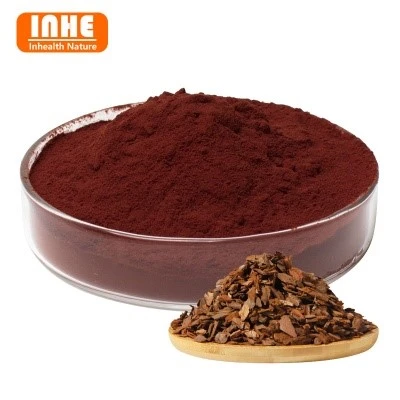
Pine Bark Extract 95% OPC is also a great option. It's rich in antioxidants called oligomeric proanthocyanidins (OPCs). These antioxidants have been shown to have anti-inflammatory and antioxidant effects, and they may help improve blood circulation and protect against oxidative stress.
If you're looking for something to support energy production and cellular health, NAD Powder could be a good choice. Nicotinamide adenine dinucleotide (NAD) plays a crucial role in energy metabolism and is involved in many cellular processes.
For mental health and relaxation, L-theanine Powder 99% is a popular option. L-theanine is an amino acid that can help reduce stress and anxiety and improve sleep quality. It's often found in green tea, but taking it in powder form allows you to get a more concentrated dose.
And if you're interested in cognitive function, Alpha GPC 50% Powder might be worth considering. Alpha-glycerylphosphorylcholine (Alpha GPC) is a compound that can enhance memory and learning and improve overall brain function.
So, getting back to our original question: Is Ergothioneine Powder a vitamin? While it has some vitamin-like properties, it doesn't fit the strict definition of a vitamin. But that doesn't mean it's not important for our health. In fact, with its antioxidant and anti-inflammatory properties, Ergothioneine could be a valuable addition to your diet.
If you're curious about Ergothioneine Powder or any of the other products I've mentioned, and you're thinking about purchasing them for your business or personal use, I'd love to have a chat with you. Reach out to me via info@inhealthnature.com for more information, and let's start a conversation about how these products can meet your needs.
References
Beelman, R. B., Kalaras, M. D., Phillips, A. T., & Richie, J. P. (2020). Is ergothioneine a 'longevity vitamin' limited in the American diet?. Journal of Nutritional Science, 9, e52.
Paul, B. D. (2022). Ergothioneine: A Stress Vitamin with Antiaging, Vascular, and Neuroprotective Roles?. Antioxidants & Redox Signaling, 36(16-18), 1306-1317.
Borodina, I., Kenny, L. C., McCarthy, C. M., Paramananthan, K., & Fava, F. (2020). The biology of ergothioneine, a "longevity vitamin", and its therapeutic potential. Nutrition Research Reviews, 33(2), 190-197.
Syahputra, R. A., et al. (2025). Ergothioneine as a functional nutraceutical: Mechanisms, bioavailability, and therapeutic implications. Journal of Nutritional Biochemistry, 133, 109712.
Lei, Z., et al. (2025). Ergothioneine as a promising natural antioxidant: bioactivities, therapeutic potential, and industrial applications. Food & Function, 16, 7473-7490.