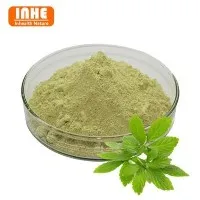
White vs. Brown Fenugreek Extract Powder: Key Differences and Uses
May 13, 2025
We can provide two kinds of Fenugreek Seed Extract: white powder and brown powder. The difference between white and brown fenugreek extract powder primarily stems from variations in extraction methods, purification processes, and retained phytochemical composition. The detailed description of the key factors is as follows:
production process
White Fenugreek Extract Powder
The steps of the production process are[1]:
1. Raw material preparation: obtain fenugreek seed powder (4-hydroxyisoleucine content is about 20-30%, light yellow to brown color, with odor) from the market;
2. Dissolution: add water to dissolve in a ratio of 2-3:1 between the volume weight of solvent and raw material, and heat to dissolve completely;
3. Decolorization and deodorization: add 8-10% (based on raw material) activated carbon, heat at 40-60℃, and stir for 20-40 minutes;
4. Filtration: filter by suction to remove activated carbon;
5. Concentration: vacuum concentrate the filtrate to dryness;
6. Ethanol washing: add 2-3 times (volume weight ratio of solvent to raw material) 95% ethanol to the concentrated product and soak;
7. Filtration: filter by suction to remove ethanol;
8. Drying: freeze-dry the filter cake to obtain the product.
This production process is easy to operate, has good repeatability, reduces environmental pollution, can effectively remove the odor of fenugreek seed powder, and the product has good color and is not sticky. Freeze drying effectively protects 4-hydroxyisoleucine from destruction, and the 4-hydroxyisoleucine content is high.
Brown Fenugreek Extract Powder
The steps of the production process are[2]:
1. Grind the degummed and defatted fenugreek seeds into coarse powder;
2. Use an aqueous solution containing active substances (mannosidase and galactosidase) at a temperature of 40℃-80℃, an extraction time of 20-48 hours, and a stirring speed of 30-200 rpm to obtain saponin extract;
3. After undergoing macroporous resin adsorption, spray drying, crushing, and sieving, a brown saponin-containing powder is obtained.
This production process adopts water extraction with added active substances, which can greatly reduce costs, and the yield is between 0.8-1.5%, which is suitable for industrial production.


product features
★ White Fenugreek Extract Powder
a. High Purity: Undergoes advanced refining processes (e.g., decolorization, filtration) to remove pigments, fibers, and impurities, resulting in a concentrated extract.
b. No Bitterness: Elimination of bitterness makes it flavor-neutral, ideal for supplements and functional foods.
c. Better Solubility: Refined structure allows for easier dissolution in liquids, suitable for beverages, injections, or cosmetic formulations.
d. Standardized Active Compounds: Often optimized for specific bioactive ingredients (e.g., 50% saponins or 4-hydroxyisoleucine) for consistent efficacy.
e. Wider Application in Sensitive Formulations: Preferred in pharmaceuticals, nutraceuticals, and functional foods where color and taste neutrality are crucial.
★ Brown Fenugreek Extract Powder
a. Retains More Natural Active Ingredients: Minimal processing preserves a broader spectrum of phytochemicals, including polyphenols, fibers, and antioxidants.
b. Distinct Flavor & Aroma: Maintains the characteristic bitter, slightly sweet, and nutty taste of fenugreek, making it suitable for culinary and traditional herbal uses.
c. Simpler & Lower-Cost Process: Produced through a relatively simple production process, reducing manufacturing expenses compared to highly refined white powder.
d. Ideal for Natural & Cost-Effective Formulations: Commonly used in teas, spice blends, animal feed, and economical dietary supplements.
market applications
White Fenugreek Extract Powder
A. Pharmaceuticals & Nutraceuticals
a. Diabetes Management: Used in hypoglycemic medications due to standardized 4-hydroxyisoleucine content (20-30%)
b. Hormonal Supplements: Incorporated in menopause and testosterone-boosting formulations (40-50% saponins)
B. Sports Nutrition
a. Protein Powders: Neutral flavor doesn't interfere with taste profiles
b. Pre-Workout Formulas: Rapidly absorbed for performance enhancement
c. BCAA Blends: Enhances muscle protein synthesis
C. Cosmeceuticals
a. Anti-Aging Creams: Fine particle size penetrates skin layers effectively
b. Whitening Products: Doesn't cause discoloration in formulations
D. Functional Beverages
a. Clear Protein Drinks: Maintains transparency in RTD products
b. Electrolyte Solutions: Compatible with isotonic formulations
E. Pediatric & Geriatric Nutrition
a. Vitamin Fortification: Easily incorporated into chewable tablets
b. Dietary Supplements: Bitter-free for better compliance
Brown Fenugreek Extract Powder
A. Traditional Medicine
a. Ayurvedic Preparations: Used in Churnas and Kashayams
b. Galactagogue Teas: Standard ingredient in nursing mother blends
c. Digestive Aids: Natural remedy for gastric issues
B. Food Industry
a. Flavor Enhancer: Snack seasonings, meat alternatives, and breakfast cereals
b. Natural Sweetener: Reduces sugar need in baked goods
C. Animal Nutrition
a. Poultry Growth Promoter: Natural alternative to antibiotics
b. Pet Food Supplement: Supports digestive health
c. Immune Booster: Improve the immunity and reduce the feed conversion ratio (FCR).
D. Industrial Applications
a. Natural Preservative: Extends the shelf life of perishable goods
b. Meat Curing Agent: Alternative to synthetic nitrates
c. Biopesticides: Organic farming applications
E. Economical Supplements
a. Mass-Market Capsules: Cost-effective for OTC products
b. Powdered Drink Mixes: Base for instant health drinks

end consumers
White Fenugreek Extract Powder Consumers
A. Medical & Clinical Users
a. Diabetic Patients: Seeking blood sugar management through standardized 4-hydroxyisoleucine formulations
b. Post-Surgical Cases: Patients on clinical nutrition requiring pure, easily absorbed nutrients
B. Performance-Driven Athletes
a. Professional Bodybuilders: Using high-purity extracts for lean muscle gains
b. Endurance Athletes: Incorporating into training regimens for energy metabolism
c. Sports Teams: Team nutritionists specify recovery protocols
C. Premium Supplement Users
a. Executive Health Programs: Corporate wellness plans incorporating high-end nutraceuticals
b. Anti-Aging Enthusiasts: Users of cosmeceutical-grade skincare formulations
D. Specialized Nutrition Cases
a. Bariatric Surgery Patients: Requiring highly bioavailable nutrients
b. Pediatric Nutrition: Mothers seeking bitter-free supplements for children
c. Allergy Sufferers: Needing ultra-purified ingredients
Brown Fenugreek Extract Powder Consumers
A. Traditional Remedy Users
a. Ayurvedic Practitioners: Preparing Traditional Herbal Formulations
b. Home Remedy Makers: Creating natural galactagogue teas for breastfeeding
c. Herbalists: Formulating digestive aids and tonics
B. Cost-Conscious Health Seekers
a. Budget Supplement Buyers: Purchasing mass-market capsules and powders
b. Community Health Programs: Providing affordable nutrition options
C. Food Industry End-Users
a. Artisanal Bakers: Adding to specialty breads and snacks
b. Natural Food Manufacturers: Creating clean-label products
c. Small-Batch Brewers: Using in craft health beverages
D. Agricultural Users
a. Organic Farmers: Applying as natural biopesticides
b. Livestock Producers: Enhancing animal feed formulations
how to choose?
Determine Your Primary Need
A. For Clinical or Pharmaceutical Use → White Powder
a. Required when standardized active compounds (e.g., 40-50% saponins, 20% 4-hydroxyisoleucine) are critical.
b. Best for diabetes management, hormone therapy, or injectable supplements.
B. For Traditional or Food Applications → Brown Powder
a. Preferred when full-spectrum benefits (fiber, polyphenols, natural flavors) are needed.
b. Ideal for Ayurvedic remedies, lactation teas, or culinary uses.
Consider Formulation Requirements
A. White Powder is Better If You Need:
a. Neutral Taste & Odor: For protein shakes, clear beverages, or pediatric supplements.
b. High Solubility: Essential for liquid formulations or fast-dissolving tablets.
c. Colorless Blends: Required in cosmetics or transparent health drinks.
B. Brown Powder is Better If You Need:
a. Natural Flavor Profile: For spice blends, teas, or fermented foods.
b. Cost Efficiency: When budget constraints limit highly refined extracts.
c. Whole-Plant Synergy: For digestive health or traditional herbal remedies.
Evaluate Processing & Budget Constraints
A. Choose White Powder If:
a. You can afford higher production costs (due to advanced purification).
b. Regulatory compliance (USP/EP) is mandatory (e.g., pharmaceuticals).
B. Choose Brown Powder If:
a. You need a faster, lower-cost production process (simple processing).
b. The application allows for natural color and taste variations.
Assess End-User Preferences
A. White Powder Appeals To:
a. Athletes and medical patients who prioritize purity and potency.
b. Luxury skincare brands need high-grade, non-staining ingredients.
B. Brown Powder Appeals To:
a. Traditional medicine practitioners and home remedy users.
b. Food manufacturers are looking for natural flavor enhancers.
Conclusion
a. Pick White Powder for precision, potency, and premium applications (pharma, sports nutrition, high-end cosmetics).
b. Pick Brown Powder for cost-efficiency, traditional use, and natural flavor retention (food, herbal remedies, animal feed).
For expert guidance in selecting the ideal Fenugreek Seed Extract for your formulation needs, contact our specialists at kathy@inhealthnature.com to discuss your specific ingredient or formulation requirements.
References: