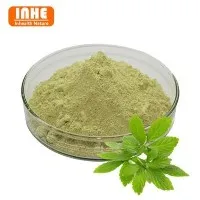
What is the Method to Control the Quality and Purity of Salicin Powder?
Jun 07, 2023
Every Detail You Need to Know about Salicin Powder
Salicin 98% is a type of phenolic glycoside found in various plants, including poplar, birch, and willow. It is commonly used in the dietary supplement industry for its anti-inflammatory and pain-relieving properties. Salicin has been shown to have anti-inflammatory, analgesic, and antipyretic effects, making it a popular ingredient in natural supplements for joint health, muscle pain, and other conditions. The quality and purity of salicin powder must be carefully controlled throughout the manufacturing process to ensure optimal efficacy and safety. By selecting high-quality raw materials, designing optimal extraction and purification processes, and implementing rigorous quality control measures, manufacturers can produce salicin powder that meets the highest standards of quality and purity.

What is the Method to Control the Quality and Purity of Salicin Powder?
One of the most important factors in ensuring the high quality and purity of salicin powder is the choice of raw materials. The extraction process must begin with the selection of high-quality plant materials that are free of contaminants and meet strict quality standards. In addition, the extraction process must be carefully designed and conducted to minimize contamination and preserve the integrity of the salicin molecule.
Once the salicin is extracted, it undergoes several purification steps to remove impurities such as plant fibers, fats, and proteins. These impurities can affect the stability and efficacy of the product, so it is vital to eliminate them as much as possible.
During the purification process, it is critical to maintain precise control over the temperature, pH, and other conditions to ensure optimal salicin solubility and stability. Any deviations from ideal conditions can lead to the formation of unwanted byproducts or cause the salicin to break down, resulting in reduced purity and efficacy.
To verify the quality and purity of salicin powder, various analytical methods can be used, including high-performance liquid chromatography (HPLC) and mass spectrometry (MS). These techniques enable precise quantification of salicin content and identification of any impurities or contaminants present in the sample.
In addition to quality control measures during manufacturing, proper storage and handling practices are essential for preserving the quality and purity of salicin powder. The product should be stored in a cool, dry place away from direct sunlight and other sources of heat and moisture. Proper packaging and labeling are also crucial to prevent contamination and ensure accurate identification of the product.
What is the Difference between Salicin and Salicylic Acid?
Salicin and salicylic acid are two naturally occurring compounds that have a long history of use in traditional medicine. Salicin is a glycoside form of salicylic acid, which means it is composed of a sugar molecule and a phenolic compound. In contrast, salicylic acid is an organic acid that is derived from salicin and other natural sources. While these two compounds share some similarities, they also have distinct differences. We will discuss the differences between salicin and salicylic acid below.
★ Chemical Structure
The most obvious difference between salicin and salicylic acid is their chemical structure. Salicin is a glycoside, which means it has a sugar molecule attached to its phenolic group. The sugar molecule makes salicin less readily absorbed by the human body, as it must first be broken down by enzymes in the digestive tract. Salicin is also less acidic than salicylic acid, with a pH of around 7.5.
Salicylic acid, on the other hand, is an organic acid with a pH of around 2.5. It does not have a sugar molecule attached to its phenolic group, which means it is more readily absorbed by the body. Salicylic acid is also more acidic than salicin, with a pH that is closer to that of vinegar.
★ Medical Uses
Both salicin and salicylic acid have been used for centuries in traditional medicine to treat a variety of ailments, including pain, fever, and inflammation. However, because of their different chemical structures, they are metabolized differently in the body and have different therapeutic effects.
Salicin is metabolized in the body into salicylic acid, which is responsible for many of its therapeutic effects. However, because of its glycoside structure, salicin is less potent and has a slower onset of action than salicylic acid. Salicin is also less irritating to the stomach lining than salicylic acid, making it a popular alternative for people who are sensitive to aspirin or other salicylate-containing drugs.
Salicylic acid has been used in medicine for over a century and is known for its anti-inflammatory and anti-acne properties. It works by penetrating the skin and dissolving the intercellular cement that holds dead skin cells together, allowing them to be shed more easily. This makes it an effective treatment for acne, as it helps to unclog pores and reduce inflammation. Salicylic acid is also used to treat psoriasis, warts, and other skin conditions.
★ Industrial Uses
Both salicin and salicylic acid have industrial uses in addition to their medical applications. Salicin is used as a flavoring agent in some foods and beverages, and it is also used in the manufacture of cosmetics and personal care products. Salicylic acid is utilized in the production of aspirin, which is one of the most commonly used drugs in the world. It is also used as a preservative in some foods, as well as in the production of dyes, polymers, and other chemicals.

How Does Salicin Powder Compare to Other Natural Anti-inflammatory Supplements on the Market?
Salicin powder is not the only natural anti-inflammatory supplement on the market. In this part, we will compare salicin powder to other natural anti-inflammatory supplements to help you decide which product is best suited for your needs.
★ Turmeric/Curcumin
Turmeric is a spice that has been employed in traditional medicine for centuries. It contains a compound called curcumin, which has been shown to have anti-inflammatory properties. Curcumin has been linked to reduced inflammation in conditions such as arthritis, inflammatory bowel disease, and others. Studies suggest that curcumin may be effective in reducing inflammation by inhibiting the activity and expression of pro-inflammatory molecules in the body.
However, curcumin has poor bioavailability, meaning that much of it is quickly metabolized and excreted from the body before it can exert its effects. To overcome this issue, some manufacturers use special formulations that increase the bioavailability of curcumin, such as piperine, a black pepper extract.
★ Boswellia
Boswellia, also known as Indian frankincense, is another natural anti-inflammatory supplement. It contains compounds that inhibit an enzyme called 5-lipoxygenase (5-LOX), which produces pro-inflammatory molecules in the body. By inhibiting 5-LOX, Boswellia may reduce inflammation and pain in conditions such as osteoarthritis, asthma, and others.
Nevertheless, like curcumin, boswellia has poor bioavailability, which limits its efficacy. Some manufacturers use special formulations, such as phospholipid complexes, to improve their bioavailability.
★ Ginger
Ginger is a spice that has been employed in traditional medicine for centuries. It contains ingredients called gingerols and shogaols, which have been shown to have anti-inflammatory effects. Ginger has been linked to reduced inflammation in conditions such as osteoarthritis, rheumatoid arthritis, and others. Studies suggest that ginger may reduce inflammation by inhibiting the activity and expression of pro-inflammatory molecules in the body.
However, ginger has limited bioavailability, which may limit its efficacy. Some manufacturers use special formulations, such as nanoparticles or liposomes, to improve its bioavailability.
Compared to these natural anti-inflammatory supplements, salicin powder has several advantages. First, it has been shown to have potent anti-inflammatory and pain-relieving effects that are similar to aspirin. Second, salicin powder has good solubility, making it easy to incorporate into dietary supplements and other products. Third, salicin powder has good stability and purity when manufactured with high-quality raw materials and proper manufacturing techniques.
If you are interested in our Salicin 98%, please feel free to get in touch with us at shaw@inhealthnature.com.