Is Sodium Alginate Powder Suitable for the Pharmaceuticals?
Jun 11, 2024
Every detail You need to know about sodium alginate powder
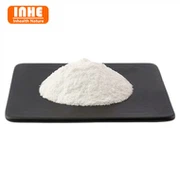
Buy Sodium Alginate Powder is a polysaccharide biopolymer extracted, separated and refined from brown algae such as kelp and giant kelp. Sodium alginate powder has the advantages of good thickening, good film-forming properties and high gel strength, and is a good food additive. Southeast Asia, Norway, and the United Kingdom have all made extensive use of this powder in their food industries. Marine biological resources are abundant, and the development prospects of algae biological resources are broader. As sodium alginate powder directly extracted from natural brown algae, it has broad application prospects in functional foods, health foods and creative foods. In this case, can sodium alginate powder be used in the pharmaceutical field? Let's explore the answer together.

Is Sodium alginate powder suitable for the pharmaceuticals?
★ Controlled-release Application
Sodium alginate powder is an excipient with controlled release function. Sodium alginate has a high viscosity. Adding it to oral medications can delay the process of drug digestion by the human body, allowing the drug efficacy to be slowly released, prolonging the actual action time of the drug, and also reducing side effects. For example, there are sustained-release isosorbide dinitrate tablets abroad that are made using this property of sodium alginate, and there are also long-acting isosorbide dinitrate tablets made with sodium alginate as the matrix in China.
★ Wound-repair Application
Sodium alginate is also a natural plant-based wound repair material. Its unique film-forming properties can be used to make gel films or medical dressings, which have a magical healing effect on burns, penetrating wounds and deep ulcers. The injection made of sodium alginate has the effect of increasing blood volume and maintaining blood pressure, and can maintain the stability of circulation before and after surgery.
★ Applied for Tablets and Capsules
The adhesiveness of sodium alginate can also be used to make tablets. Even if the mass fraction is increased to more than 1% or the pressure is increased, the disintegration time of the tablet will not increase. This property of sodium alginate is significantly better than gelatin and starch, and it is an ideal adhesive. As a large molecular polysaccharide, sodium alginate will have effective structural destruction in the large intestine near the end of the human digestive tract, so it can be used to prepare enteric-coated capsules.
★ Other Applications
Sodium alginate powder can also be used in pharmaceuticals as hemostatic agents, dental bite print materials, coatings, hydrophilic ointment bases and contraceptives, etc. In recent years, the application of sodium alginate powder in pharmaceuticals has developed in depth.
How is sodium alginate powder used in the functional foods?
★ Water-retention Properties
Sodium alginate powder has good water retention properties, makes you feel full after eating, can lubricate the digestive tract, and has good adsorption capacity for heavy metals. It can be used as a functional food additive, a raw material for health care products, and a nutritional fortifier, and has a significant impact on human health. This food additive can be added to any food and beverage (such as milk, coffee, etc.) and has significant nutritional effects. This food additive is extracted from marine organisms, purely natural, and has no toxic or side effects.
★ Gelling Properties
By utilizing the gel properties of sodium alginate powder, various artificial foods can be produced, which overcomes many defects of existing similar technologies. Sodium alginate is mixed with various other raw materials and auxiliary materials, dissolved in water and poured into a mold. By utilizing its own gel molding method, various artificial foods can be made by standing and demolding without any external conditions. The nutrient content and additives can be adjusted at will, and the product will not be deformed due to temperature. The volume and weight of the finished product are not limited, and it can be properly heated, baked, fried, etc., making it safer and more efficient in both production and consumption.
What are the advantages of sodium alginate compared with gelatin?
Sodium alginate powder offers several advantages over gelatin due to its unique properties and versatility. Here are some of the key advantages:
★ Vegetarian and Vegan Friendly
Sodium Alginate: Derived from brown algae, making it suitable for vegetarians and vegans.
Gelatin: Sourced from animal tissues, making it unsuitable for vegetarians and vegans.
★ Heat Stability
Sodium Alginate: Forms gels that are heat-stable, they do not melt at higher temperatures. This makes it ideal for applications requiring thermal stability.
Gelatin: Gels formed by gelatin melt at body temperature (about 37°C), which limits their use in high-temperature applications.
★ Gelling Mechanism
Sodium Alginate: Gels in the presence of divalent cations like calcium, allowing for controlled gelation processes. This is particularly useful in molecular gastronomy and encapsulation technologies.
Gelatin: Gels upon cooling from a hot solution, and the gelation process is less controlled compared to the ion-induced gelling of alginate.
★ Chemical Stability
Sodium Alginate: Chemically stable across a range of pH levels, making it versatile for use in acidic or alkaline environments.
Gelatin: Less stable in extreme pH conditions, which can lead to denaturation and loss of functionality.
★ Moisture Retention
Sodium Alginate: Excellent moisture retention properties, beneficial for maintaining the texture and freshness of food products.
Gelatin: While it can retain moisture, it is generally less effective than sodium alginate in this regard.
★ Film-Forming Ability
Sodium Alginate: Able to form strong, flexible films, which are useful in edible coatings, packaging, and wound dressings.
Gelatin: Can form films but they are not as robust or versatile as those made from sodium alginate.
★ Medical and Pharmaceutical Applications
Sodium Alginate: Widely used in drug delivery systems due to its biocompatibility and ability to control the release of active compounds. It is also used in wound care products because of its moisture-retaining and healing properties.
Gelatin: Used for capsules and coatings but lacks the same level of control and stability in drug delivery applications as sodium alginate.
★ Environmental Impact
Sodium Alginate: Sourced from renewable algae, which has a lower environmental impact compared to animal agriculture required for gelatin production.
Gelatin: Production depends on animal farming, which has a higher environmental footprint.
★ Allergen Considerations
Sodium Alginate: Generally hypoallergenic and safe for people with common food allergies.
Gelatin: Can cause allergic reactions in some individuals, especially those with known allergies to collagen or animal proteins.
★ Shelf Life and Storage
Sodium Alginate: Stable over long periods and does not require refrigeration.
Gelatin: May have a shorter shelf life and can degrade over time if not stored properly.

Why do you choose inhealth nature sodium alginate powder?
-Best Herbal Extract Wholesale
-Fast Delivery Factory Price
-Third-party Test Reports
-No Additives
-ISO, FSSC, Kosher, and Halal-certified
-Stock is available for over 500kg
For inquiries or to learn more about our Buy Sodium Alginate Powder, contact us at shaw@inhealthnature.com.