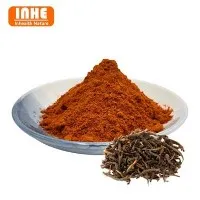
Is Broccoli Seed Powder An Ideal Natural Alternative for H. Pylori?
Jul 01, 2025
what is the current status of h. pylori infection in the world and china?
Approximately 4.4 billion people (50% of the global population) are infected with H. pylori, with higher rates in developing regions (70-80%) than in developed countries (13-50%). In China, the infection rate is 59% (700 million people), with regional variations (e.g., 27.08% in Eastern China). Antibiotic resistance is a major issue; clarithromycin resistance in China reaches 52.6%, reducing the efficacy of triple/quadruple therapy.
Standard therapies (e.g., PPI + antibiotics) cause side effects (diarrhea, nausea) in 30% of patients, leading to poor adherence. High resistance rates (e.g., 50.83% for clarithromycin and 47.17% for levofloxacin in some regions) and host factors (e.g., CYP2C19 gene polymorphisms affecting PPI metabolism) further limit treatment success. As a result, some patients, especially those with diabetes, autoimmune diseases, or recurrent infections, seek non-antibiotic options like Broccoli Seed Extract Powder.
Sulforaphane inhibits H. pylori urease activity and disrupts biofilms, even against antibiotic-resistant strains. Clinical trials show 48.5% eradication rates (vs. 86.7% with triple therapy) when taken at 6g/day for 4 weeks, with minimal side effects. It also reduces gastric inflammation (30% decrease in oxidative stress markers like MDA) and supports mucosal repair.
how does broccoli seed powder inhibit h. pylori?
Here's a concise, evidence-based breakdown of the mechanisms by which broccoli seed powder inhibits Helicobacter pylori:
Direct Antibacterial Effects
a. Urease Inhibition: Sulforaphane in broccoli seed extract blocks H. pylori urease, a key enzyme that neutralizes stomach acid by converting urea to ammonia. This disrupts the bacterium's ability to survive in acidic gastric environments.
b. Membrane Disruption: It damages bacterial cell membranes by modifying thiols, leading to leakage of cellular contents and death.
Biofilm Disruption
a. Sulforaphane degrades H. pylori biofilms (a protective matrix that shields bacteria from antibiotics) by downregulating genes like cagA and vacA, which are critical for biofilm formation.
Anti-Inflammatory & Antioxidant Actions
a. NF-κB Pathway Suppression: Reduces pro-inflammatory cytokines (e.g., IL-8, TNF-α) by inhibiting NF-κB activation, mitigating gastric inflammation.
b. Nrf2 Pathway Activation: Upregulates antioxidant enzymes (e.g., glutathione peroxidase) via Nrf2, protecting gastric mucosa from oxidative damage.
Synergy with Host Defenses
a. Enhances mucin production (MUC5AC) in gastric epithelial cells, strengthening the mucosal barrier against bacterial adhesion.

what are the differences of broccoli seed powder and antibiotics in inhibiting h. pylori?
Mechanisms of Action
A. Sulforaphane powder inhibits H. pylori through multiple pathways:
a. Urease inhibition: Directly blocks the bacterial enzyme urease, which is essential for acid resistance
b. Biofilm disruption: Degrades protective bacterial biofilms that shield H. pylori from antibiotics
c. Membrane damage: Modifies bacterial cell membranes through thiol interactions
d. Host defense activation: Stimulates antioxidant pathways (Nrf2) while suppressing inflammation (NF-κB)
B. In contrast, antibiotics typically work through single-target mechanisms:
a. Protein synthesis inhibition (macrolides like clarithromycin)
b. DNA replication blocking (fluoroquinolones like levofloxacin)
c. Cell wall disruption (amoxicillin)
Efficacy Comparison
A. Sulforaphane powder demonstrates:
a. Moderate eradication (48.5% with 6g/day for 4 weeks)
b. Slower but more sustained antibacterial effects
c. Effective biofilm penetration
B. Antibiotics show:
a. Higher eradication rates (70-90%) when bacteria are sensitive
b. Rapid action (7-14 day treatment courses)
c. Poor efficacy against biofilms and resistant strains
Safety and Tolerability
A. Sulforaphane powder advantages:
a. Minimal side effects (rare mild GI discomfort)
b. No disruption of gut microbiota
c. No reported bacterial resistance
d. Safe for long-term use
B. Antibiotic limitations:
a. Significant side effects (30% experience diarrhea, nausea)
b. Causes gut dysbiosis and C. difficile risk
c. High resistance development potential
d. Multiple drug interactions
Clinical Applications
A. Sulforaphane powder is preferred for:
a. Antibiotic-resistant H. pylori infections
b. Patients with poor antibiotic tolerance (elderly, diabetics)
c. Adjunctive therapy to enhance antibiotic effectiveness
d. Long-term management of chronic infections
B. Antibiotics remain necessary for:
a. First-line acute treatment of sensitive strains
b. Cases requiring rapid bacterial clearance
c. When susceptibility testing confirms effectiveness
Key Advantages Summary
Sulforaphane powder offers a unique combination of antibacterial and gastric protective effects without promoting resistance. In contrast, antibiotics provide faster results for susceptible strains but with greater side effects and resistance concerns. The choice depends on infection characteristics and patient factors.
what are the product applications and safety of broccoli seed powder?
Broccoli seed powder offers a safe, resistance-proof alternative for managing H. pylori, both as an adjuvant to antibiotics and for daily prevention. While it may not replace first-line therapies, its anti-biofilm, anti-inflammatory, and antioxidant properties make it valuable for high-risk and antibiotic-intolerant patients.
Usage Scenarios
A. Adjuvant Therapy for Traditional Eradication Treatments
a. Sulforaphane powder can be combined with antibiotic-based triple or quadruple therapy to improve eradication rates, particularly in antibiotic-resistant H. pylori strains.
b. Clinical studies show that broccoli seed extract (rich in sulforaphane) reduces bacterial load when used alongside clarithromycin-based therapies, though it does not significantly increase eradication rates alone.
c. Helps mitigate antibiotic side effects (e.g., diarrhea, gut dysbiosis) by preserving beneficial gut bacteria.
B. Daily Prevention & Maintenance Therapy
a. Regular intake (e.g., 6 g/day of broccoli seed powder) may suppress H. pylori colonization and reduce gastric inflammation.
b. Suitable for high-risk populations (e.g., diabetics, elderly) who are prone to reinfection or antibiotic intolerance.
c. Acts as a natural antimicrobial, reducing bacterial virulence factors (e.g., urease, biofilm formation) without promoting resistance.
Key Advantages Over Conventional Treatments
a. Multi-Target Mechanism: Inhibits H. pylori urease, disrupts biofilms, and damages bacterial membranes.
b. No Antibiotic Resistance: Unlike clarithromycin or metronidazole, sulforaphane remains effective against resistant strains.
c. Anti-Inflammatory & Antioxidant Effects: Reduces gastric oxidative stress (↓MDA, ↑glutathione) and inflammation (↓IL-8, NF-κB).
d. Gut Microbiome-Friendly: Unlike antibiotics, it does not disrupt beneficial gut flora.
Safety Profile
a. Well-Tolerated: Minor side effects (e.g., mild heartburn) reported at doses up to 6 g/day for 4 weeks.
b. No Serious Adverse Effects: Long-term use (up to 6 months) shows no toxicity, making it suitable for chronic management.
c. Safe for Most Populations: No contraindications with PPIs or probiotics, but caution advised for pregnant women and seizure-prone individuals.

what are other plant extracts that inhibit h. pylori?
Cranberry Extract
A. Active Ingredient: Proanthocyanidins (PACs), quercetin
B. Mechanism:
a. Blocks H. pylori adhesion to gastric epithelium by binding to bacterial surface proteins.
b. Reduces CagA/VacA virulence factors and inhibits biofilm formation.
C. Applications:
a. Functional foods/juices: Synergistic with quince juice.
b. Adjunctive therapy: Enhances antibiotic efficacy by preventing bacterial reattachment.
D. Safety: Safe for long-term use; no toxicity reported. Avoid high doses in diabetics (sugar content).
Green Tea
A. Active Ingredient: Epigallocatechin gallate (EGCG), epicatechin
B. Mechanism:
a. Disrupts bacterial cell membranes and inhibits protein synthesis.
b. Neutralizes VacA toxin and reduces oxidative stress.
C. Applications:
a. Beverage/formulations: 2-3 cups/day reduced H. pylori colonization in clinical trials.
b. Synergistic with antibiotics: Lowers clarithromycin resistance.
D. Safety: High doses (>800 mg EGCG/day) may cause liver toxicity.
Garlic Extract
A. Active Ingredient: Allicin (organosulfur compound)
B. Mechanism:
a. Thiol-reactive: Disrupts bacterial redox balance and inhibits urease.
b. Suppresses CagA translocation via the type IV secretion system.
C. Applications:
a. Raw/cooked garlic: 2–4 g/day reduced H. pylori load in 50% of patients.
b. Combination therapy: Enhances metronidazole efficacy against resistant strains.
D. Safety: May cause heartburn; contraindicated with blood thinners.
Turmeric
A. Active Ingredient: Curcumin (polyphenol)
B. Mechanism:
a. Blocks H. pylori adhesion and VacA-induced apoptosis.
b. Downregulates NF-κB and IL-8.
C. Applications:
a. Adjuvant therapy: 500 mg curcumin + antibiotics improved eradication by 20%.
b. Anti-inflammatory: Reduces gastritis severity.
D. Safety: High doses may cause diarrhea; limited bioavailability.
Ginger Extract
A. Active Ingredient: Gingerols, shogaols
B. Mechanism:
a. Inhibits H. pylori biofilm formation and CagA secretion.
b. Reduces gastric inflammation via COX-2 suppression.
C. Applications:
a. Adjunctive therapy with antibiotics (enhances clarithromycin efficacy).
b. Daily use (1–2 g/day) for gastritis prevention.
D. Safety: Safe at culinary doses; high doses may cause heartburn.
Want to incorporate high-quality Broccoli Seed Extract Powder into your formulations? Partner with us for premium, research-backed ingredients. Please feel free to contact us at bella@inhealthnature.com to discuss your market and product needs. Let's innovate for better gut health naturally.