

Inhealth Nature: Your Reliable Coenzyme Q10 Powder Solution Provider
Nov 05, 2025
The commercial application of Coenzyme Q10 Powder is strategically defined by its solubility. Fat-soluble forms dominate premium supplements, pharmaceuticals, and cosmetics due to their proven efficacy and compatibility with oils. In contrast, Water Soluble Coenzyme Q10 is better suited for functional foods, beverages, and animal nutrition. It can dissolve directly in water-based systems, resulting in clear beverages, convenient powder sticks, and efficient livestock water supplementation. In this article, we mainly discuss the differences and advantages of various application areas and scenarios for CoQ10 powder, so you can make the best choice when using it.
What are the differences between fat-soluble and water-soluble coenzyme Q10?
Chemical Properties
A. Fat-Soluble CoQ10
a. Molecular Structure: Identical to the CoQ10 naturally produced in the body. It is a large, lipid-soluble (lipophilic) molecule.
b. Solubility: Dissolves readily in oils and fats but is insoluble in water.
c. Physical State: Typically processed into a crystalline powder for encapsulation.
B. Water-Soluble CoQ10
a. Molecular Structure: The core CoQ10 molecule remains the same but is physically processed or molecularly encapsulated within a water-dispersible matrix or carrier system (e.g., cyclodextrins, emulsifiers).
b. Solubility: Treated to be dispersible in water, forming a colloidal suspension or microemulsion. It is not true chemical dissolution but a physical transformation to improve miscibility.
c. Physical State: Often available as a powder or in liquid forms that readily mix with water.
Absorption Methods
A. Fat-Soluble CoQ10
a. Process: Requires dietary fats for absorption, following the same pathway as other fat-soluble nutrients like vitamins A, D, E, and K.
b. Mechanism: It is incorporated into mixed micelles in the small intestine with the help of bile salts and pancreatic enzymes, which then transport it to the intestinal wall for uptake.
B. Water-Soluble CoQ10
a. Process: Designed to bypass the need for fat-dependent micelle formation.
b. Mechanism: The specialized carrier systems allow the CoQ10 to remain suspended in the watery environment of the digestive tract, potentially facilitating direct contact with and absorption through the intestinal mucosa.
Absorption Efficiency
A. Fat-Soluble CoQ10
a. Bioavailability Challenge: In its raw, unformulated state, standard fat-soluble CoQ10 has relatively low and variable bioavailability because it is poorly dissolved in the digestive fluids.
b. Enhanced Formulations: Modern "bio-enhanced" forms (e.g., ubiquinone in delivery systems or reduced ubiquinol in an oil suspension) significantly improve absorption by pre-dissolving or protecting the molecule.
c. Dependency: Its absorption is highly dependent on the presence of a meal containing sufficient fats and an individual's efficient digestive function.
B. Water-Soluble CoQ10
a. Primary Advantage: The key proposed benefit is a more consistent and potentially higher absorption rate when taken on an empty stomach, as it is not reliant on dietary fats.
b. Consistency: Aims to reduce the variability in absorption between individuals with different diets or digestive efficiencies.
c. Comparative Studies: Some research indicates that specific water-soluble formulations can achieve higher peak blood plasma levels (Cmax) compared to some standard oil-based gelatin capsules.
Usage Requirements
A. Fat-Soluble CoQ10
a. Meal Timing: Must be consumed with a meal that contains fat (e.g., avocado, nuts, eggs, olive oil) for optimal absorption. Taking it on an empty stomach is not recommended.
b. Form Factor: Most commonly found in softgel capsules, which themselves contain an oil base (e.g., soybean oil, olive oil) to aid in dissolution.
B. Water-Soluble CoQ10
a. Meal Timing: Can be taken with or without food. Its design is intended to provide flexibility and consistent absorption regardless of meal timing.
b. Form Factor: Available in forms suitable for water dispersion, such as soluble powders or sachets, liquid shots, and specific types of capsules containing the pre-dispersed powder.
Advantages
A. Advantages of Fat-Soluble CoQ10
a. Natural Form: Mirrors the natural state of CoQ10 found in foods and the human body.
b. Proven Efficacy: A long and extensive history of use and scientific research supporting its effectiveness, especially with modern bio-enhanced formulations.
c. Stability: The molecule is generally stable when protected from light and heat within an oil-filled softgel.
d. Wide Availability: The most common and widely available form on the market, offering a broad range of brands and prices.
B. Advantages of Water-Soluble CoQ10
a. Absorption Independence: The primary advantage is the freedom from requiring dietary fat, making it suitable for low-fat diets or specific eating patterns.
b. Convenience and Flexibility: Ideal for individuals who prefer to take supplements on an empty stomach or at times separate from main meals.
c. Potential for Higher Plasma Levels: Certain formulations may lead to a more rapid and higher peak concentration in the bloodstream.
d. Versatile Formats: Available in convenient, portable forms like drink mixes or liquids, which are easy to consume.
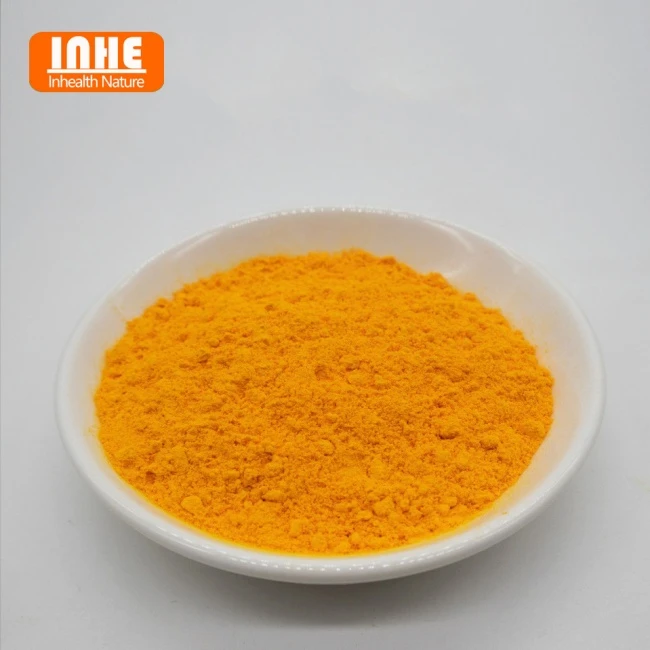

What are the application fields of water-soluble and fat-soluble coenzyme q10?
Application Areas of Water-Soluble Coenzyme Q10
1. Food and Beverage Industry
A. Application Description: Incorporated into clear beverages, flavored waters, juice drinks, dairy alternatives, functional shots, gummies, and various fortified food products.
B. Advantages:
a. Clarity and Miscibility: Its water-dispersible nature allows it to be added to clear and acidic drinks without causing cloudiness or separation, which is a major limitation of oil-soluble ingredients.
b. No Oil Carrier Required: Eliminates the need for emulsifiers or oil phases in recipes, simplifying product formulation and maintaining a clean label.
c. Uniform Distribution: Ensures even distribution throughout a water-based product, guaranteeing consistent dosage in every serving.
2. Dietary Supplements (Specific Formats)
A. Application Description: Used in the production of effervescent tablets, powder sticks, ready-to-mix powders, and liquid shot supplements.
B. Advantages:
a. Formulation Flexibility: Enables the creation of innovative, convenient, and portable supplement formats that are not feasible with oil-based ingredients.
b. Rapid Dispersion: Effervescent tablets and powders dissolve quickly in water, offering a fast and easy method of consumption.
c. Fat-Independent Absorption: Provides a reliable option for consumers who take supplements on an empty stomach or follow low-fat diets, ensuring consistent uptake.
3. Animal Nutrition (Primarily for Livestock and Aquaculture)
A. Application Description: Added to water supplies or liquid feed rations for poultry, swine, and particularly in aquaculture for fish and shrimp.
B. Advantages:
a. Water Delivery System: Allows for efficient, herd-wide administration through drinking water, which is a practical and cost-effective method in large-scale farming.
b. Suitability for Aquatic Species (such as fish and shrimp): Water-soluble CoQ10 can be directly added to the aquaculture water body. It can be absorbed through the gills or the body surface and effectively enhances the animals' stress resistance and survival rate.
c. Improved Bioavailability in Feed: Enhances the absorption of the nutrient in animals with relatively short and simple digestive tracts.
Application Areas of Fat-Soluble Coenzyme Q10
1. Pharmaceuticals (Soft and Hard Capsules)
A. Application Description: Used as the active ingredient in licensed pharmaceutical products and high-potency supplements, almost exclusively delivered in softgel or oil-filled hard capsule forms.
B. Advantages:
a. Molecular Stability: The CoQ10 molecule is naturally stable and protected from oxidation within an oil-filled capsule, ensuring potency and a long shelf life.
b. Proven Delivery System: The softgel format is a well-researched and reliable delivery method for lipid-soluble actives, facilitating the fat-dependent absorption pathway.
c. High-Dose Suitability: This format is ideal for encapsulating high concentrations of CoQ10 efficiently and precisely.
2. Cosmetics and Skincare
A. Application Description: Formulated into a wide range of topical products, including anti-aging serums, creams, lotions, and ointments.
B. Advantages:
a. Compatibility with Skin Lipids: As a fat-soluble molecule, it is inherently compatible with the skin's natural lipid barrier, promoting better penetration into the epidermal layers.
b. Formulation Synergy: Easily incorporated into the oil phase of emulsions (creams and lotions), allowing for stable and homogeneous distribution within the product.
c. Stability in Oily Matrices: Remains stable and effective within the lipid-based systems common in cosmetic formulations.
3. Dietary Supplements (General)
A. Application Description: The most common form found in standard dietary supplements, typically as softgels, oil-filled capsules, or gel-caps.
B. Advantages:
a. Wide Consumer Acceptance: The most recognized and traditional form of CoQ10 supplement, backed by decades of widespread use.
b. Cost-Effectiveness: Generally more economical to produce than specialized water-soluble forms, making it accessible to a broader market.
c. Optimal Absorption with Meals: When taken with a fat-containing meal, modern bio-enhanced fat-soluble forms demonstrate excellent absorption profiles.
4. Animal Nutrition (Primarily for Cats and Dogs)
A. Application Description: Incorporated into dry kibble coatings, wet food, palatable pastes, and specific soft-chew supplements for pets.
B. Advantages:
a. Palatability and Compatibility: Fat-soluble CoQ10 can be easily blended with animal fats and oils used to coat pet food, enhancing taste and acceptance.
b. Alignment with Pet Diets: The typical diet of companion animals is rich in fats and animal proteins, creating an ideal environment for the absorption of fat-soluble nutrients.
c. Stability in Pet Food Manufacturing: Withstands the extrusion and processing temperatures involved in producing dry kibble better than many water-soluble ingredients.
Who are the target users for water-soluble and fat-soluble coenzyme q10?
Target Users for Water-Soluble Coenzyme Q10
1. Individuals with Specific Dietary Patterns or Schedules
A. Characteristics:
a. Regularly consume low-fat or fat-free meals.
b. Practice intermittent fasting or have irregular eating schedules.
c. Prefer to take supplements first thing in the morning on an empty stomach.
B. Reasons for Suitability:
a. The absorption of water-soluble CoQ10 does not rely on the presence of dietary fat, ensuring consistent uptake regardless of meal timing or content.
b. It provides formulation flexibility for those whose dietary habits are not conducive to taking oil-based supplements with every dose.
2. Consumers Preferring Convenient and Alternative Formats
A. Characteristics:
a. Have difficulty swallowing pills or capsules.
b. Travel frequently and seek portable, easy-to-take options.
c. Enjoy incorporating supplements into their beverages.
B. Reasons for Suitability:
a. This form enables product formats like effervescent tablets, drink mixes, and liquid shots, which are often easier to consume and more portable than traditional capsules.
b. It offers a pleasant and convenient user experience for those who dislike swallowing softgels.
3. Formulators in the Food and Beverage Industry
A. Characteristics:
a. Product developers creating functional foods, clear beverages, and gummies.
b. Focused on achieving clean labels and simple ingredient lists.
B. Reasons for Suitability:
a. Water-soluble CoQ10 can be seamlessly incorporated into water-based systems without causing cloudiness or separation, which is essential for clear drinks and certain food products.
b. It eliminates the need for additional emulsifiers or oil carriers in formulations, simplifying the product recipe.
Target Users for Fat-Soluble Coenzyme Q10
1. Traditional Supplement Users with Established Routines
A. Characteristics:
a. They are accustomed to taking supplements in capsule or softgel form.
b. Have a consistent routine of taking supplements with their main meals.
c. Prefer a form that mirrors the nutrient's natural state in the body and food.
B. Reasons for Suitability:
a. Fat-soluble CoQ10 in softgels is the most common and traditional form, aligning with user habits and expectations.
b. When taken with a fat-containing meal, its absorption is efficient and well-understood.
2. Cost-Conscious Consumers
A. Characteristics:
a. Seek value and are budget-aware when selecting supplements.
b. Compare options based on cost per serving.
B. Reasons for Suitability:
a. Standard fat-soluble CoQ10 is generally more economical to manufacture than its water-soluble counterpart, making it a more accessible option for a wider audience.
b. It offers a proven and effective profile at a typically lower price point.
3. Users of Topical Cosmetic and Skincare Products
A. Characteristics:
a. Individuals who use serums, creams, and lotions for skin support.
b. Interested in ingredients that are compatible with the skin's natural structure.
B. Reasons for Suitability:
a. The fat-soluble nature of CoQ10 makes it inherently compatible with the skin's lipid barrier, which can support effective topical application.
b. It integrates seamlessly into the oil phases of cosmetic formulations, ensuring stability and homogeneous distribution in products like creams and ointments.
4. Pet Owners (for Cats and Dogs)
A. Characteristics:
a. Owners looking to supplement their pet's diet.
b. Pets that consume commercial diets rich in fats and animal proteins.
B. Reasons for Suitability:
a. The typical diet of companion animals is naturally high in fat, creating an ideal environment for the absorption of fat-soluble nutrients.
b. It can be easily palatized and incorporated into oil-based coatings for kibble, pastes, and soft-chew treats that pets find appealing.

What ingredients can water-soluble and fat-soluble coenzyme q10 be combined with?
Fat-Soluble CoQ10 Combined with Cosmetic Ingredients
Fat-soluble CoQ10 is a stable ingredient that interacts well with others in skincare formulations. Its compatibility is often based on shared properties, like being fat-soluble, or on complementary antioxidant effects.
The table below summarizes key compatible cosmetic ingredients and their combined benefits:
|
Compatible Ingredient |
Combined Benefit with Fat-Soluble CoQ10 |
|
Vitamin E |
CoQ10 regenerates Vitamin E; together they provide enhanced antioxidant protection. |
|
Vitamin C |
Works synergistically with CoQ10 for extra protection against photo-aging. |
|
Carotenoids |
CoQ10's antioxidant activity is boosted when combined with carotenoids. |
|
Hyaluronic Acid |
Provides intense hydration and may help improve skin permeability for other ingredients. |
|
Aloe Vera |
Known for its soothing properties, it works well in formulations with CoQ10. |
|
Vitamin B3 (Niacinamide) |
A stable and versatile ingredient that pairs effectively with CoQ10. |
Water-Soluble CoQ10 Combined with Food and Beverage Ingredients
Water-soluble Coenzyme Q10 solves the problem of CoQ10 dispersion in water, broadening its application in food and beverages. Here are some compounding directions:
a. Energy and Anti-fatigue Combination: Combined with B vitamins, which participate in the body's energy metabolism processes; paired with taurine and minerals (such as magnesium and zinc), it helps relieve nerve and muscle fatigue, suitable for sports drinks or functional beverages.
b. Antioxidant and Health Combination: Combined with vitamin C and vitamin E to build a complete in-body antioxidant network; paired with plant polyphenols (such as tea polyphenols and grape seed extract) or proanthocyanidins, it provides broad antioxidant protection and supports cardiovascular health.
c. Heart Health Combination: Consider scientifically combining with Omega-3 fatty acids (from algal oil or fish oil), soy peptides, and other cardiovascular-beneficial ingredients.
Unlock the potential of cutting-edge CoQ10 formulations for your health products! Contact Bella at bella@inhealthnature.com to request samples and technical details of our Water Soluble Coenzyme Q10.


