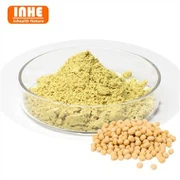
Are Ashwagandha Withanolides Helpful to You?
Dec 23, 2025
Within the dietary supplement and functional ingredient industry, adaptogens are defined as a class of natural, bioactive compounds-primarily from specific herbs and fungi-that uniquely enhance the body's ability to "adapt" to and resist a broad spectrum of physical, chemical, and biological stressors. To qualify, a substance must be non-toxic, support systemic balance (homeostasis), and produce a non-specific, multi-targeted normalizing effect within the body.
The core benefits of adaptogens for the human body stem from their modulation of the stress-response system, notably the hypothalamic-pituitary-adrenal (HPA) axis. This action can enhance resilience to stress, reduce fatigue and anxiety, support cognitive functions, modulate immune response, and promote sustained energy levels without overstimulation.
Key bioactive ingredients used as adaptogens include Ashwagandha Withanolides (from Withania somnifera), renowned for reducing stress and supporting cognitive health; Salidroside (from Rhodiola), used for combating fatigue and enhancing endurance; Macamides (from Maca), associated with hormonal balance and stamina; Eleutheroside (from Siberian Ginseng), for immune support and stress resistance; and Cordyceps polysaccharides, valued for boosting energy and modulating immune function. These ingredients are foundational in formulating targeted dietary supplements for stress management, cognitive support, and vitality.
Are withanolides helpful to you?
Yes, withanolides are considered suitable as adaptogens and are the main bioactive compounds responsible for the adaptogenic properties of the herb ashwagandha (Withania somnifera). Modern research indicates they help the body manage and resist various physical, chemical, and biological stressors. The table below summarizes the core adaptogenic effects and the primary mechanisms through which withanolides work.
|
Adaptogenic Effect |
Key Mechanisms of Action |
|
Reduces Stress & Anxiety |
• Modulates the HPA axis: Reduces cortisol (stress hormone) levels. |
|
Improves Sleep Quality |
• Linked to GABAergic activity and reduction of stress/anxiety, which improves sleep onset and quality. |
|
Enhances Cognitive Function & Neuroprotection |
• Exhibits antioxidant effects and reduces neuroinflammation. |
|
Boosts Physical Performance & Recovery |
• Linked to reduced cortisol and potential increases in testosterone, aiding muscle development. |
|
Exerts Immunomodulatory Effects |
• Can modulate the immune system in different ways, sometimes stimulating it and other times suppressing excessive inflammation. |

What ingredients can be used as adaptogens?
While withanolides (from Ashwagandha), Salidroside (from Rhodiola), Macamides (from Maca), Eleutheroside (from Siberian Ginseng), and Cordyceps polysaccharides are all classified as adaptogens, they differ significantly in their origin, chemical nature, primary effects, and the resulting product applications. The table below provides a comparative overview of their key characteristics.
|
Item |
Ashwagandha (Withanolides) |
Rhodiola (Salidroside) |
Maca (Macamides) |
Siberian Ginseng (Eleutheroside) |
Cordyceps (Polysaccharides) |
|
Botanical Source |
Root/leaf of Withania somnifera shrub (Asia, Africa). |
Root of the Rhodiola rosea plant (cold regions of Europe, Asia). |
Root of Lepidium meyenii cruciferous plant (Andes mountains). |
Root/bark of Eleutherococcus senticosus shrub. |
Mycelium/fruiting body of Cordyceps sinensis & related fungi. |
|
Key Active Ingredient |
Steroidal lactones (e.g., withaferin A, withanolide D). |
Phenylethanol glycoside (Salidroside), often with rosavins. |
Unique fatty acid amides (Macamides) and alkaloids. |
Eleutherosides (phenylpropanoid and lignan glycosides). |
Beta-glucan polysaccharides and other complex carbohydrates. |
|
Primary Effects & Applications |
Stress & Sleep: Reduces anxiety, improves sleep. Vitality: May support male reproductive health and athletic recovery. |
Fatigue & Performance: Combats mental/physical fatigue, may enhance endurance. Mood: Supports stress resilience and mood balance. |
Energy & Libido: Traditionally used for energy, stamina, and supporting sexual function in men and women. |
Stamina & Immunity: Traditionally used to increase resistance to fatigue, stress, and support immune function. |
Energy & Immunity: Known for supporting cellular energy (ATP) production, exercise performance, and immune modulation. |
|
Common Dosage Forms |
Capsules, tablets, powdered root, liquid extracts (tinctures). |
Capsules, tablets, powdered extracts, liquid tinctures. |
Powder, capsules, tablets, gummies, added to foods/drinks (e.g., smoothies). |
Capsules, tablets, liquid extracts, teas. |
Capsules, tablets, powdered extracts, liquid tonics. |
How to Choose and Apply
In the supplement industry, the choice between these adaptogens is driven by the desired health positioning and product format:
a. For "Calm & Sleep" Formulations: Ashwagandha is the dominant choice, typically delivered in capsules or tinctures for precise dosing.
b. For "Energy & Endurance" Formulations: Rhodiola (often taken in the morning) and Cordyceps are preferred. Maca, often positioned for "natural energy" or "sexual wellness," is versatile in powders, gummies, and functional foods.
c. For "Immune & Tonic" Blends: Cordyceps polysaccharides and Eleutheroside are common ingredients in comprehensive wellness tonics or immune-support complexes.
Are withanolides suitable for all people?
No, withanolides are not suitable for all people. While ashwagandha is generally considered safe for most healthy adults for short-term use (up to 3 months), there are specific groups for whom it is contraindicated or requires medical supervision due to safety concerns.
Who Should Avoid Ashwagandha
The following groups should avoid using ashwagandha:
a. Pregnant or breastfeeding individuals: Considered unsafe during pregnancy due to potential miscarriage risk. Safety during breastfeeding is unknown.
b. Individuals with autoimmune diseases may over-activate the immune system, potentially worsening conditions like lupus, rheumatoid arthritis, or multiple sclerosis.
c. Individuals with liver disease or prior liver injury: Has been linked to rare cases of liver injury.
d. Individuals about to undergo surgery: May interact with anesthesia and sedatives. It is advised to stop use at least 2 weeks before a scheduled surgery.
Who Should Use Ashwagandha with Caution
These groups can potentially use it but must do so under close medical supervision, as it can affect health conditions or interact with medications:
A. Individuals with Thyroid Disorders: May increase thyroid hormone levels, affecting those with hyperthyroidism or on thyroid medication.
B. Individuals on Medications: Can interact with several drug classes. A major interactions checker lists 452 known drug interactions. Key interactions include:
a. Sedatives and CNS depressants (e.g., benzodiazepines): Can cause excessive drowsiness.
b. Diabetes medications: May lower blood sugar too much.
c. High blood pressure medications: May lower blood pressure too much.
d. Immunosuppressants: May decrease the effectiveness of these drugs.
C. Individuals with Stomach Ulcers: May cause gastrointestinal upset.
D. Individuals with Nightshade Allergies: Ashwagandha belongs to the nightshade family (Solanaceae).

Can withanolides be used with creatine and BCAA?
Yes, withanolides can generally be combined with creatine and branched-chain amino acids (BCAAs). This combination is considered safe and is a popular supplement stack among athletes to target different aspects of fitness and recovery.
To help you understand how these ingredients work together, here is a breakdown of their individual roles in an athlete's regimen:
|
Ingredient |
Primary Role in Fitness |
Common Dosage |
|
Ashwagandha (Withanolides) |
Stress Recovery |
300-600 mg daily. |
|
Creatine |
ATP Regeneration |
Typically 3-5 g daily. |
|
BCAAs |
Muscle Protein Synthesis |
Typically 5-10 g pre-, intra-, or post-workout. |
Understanding the Combined Effects
Together, these three ingredients can work on distinct yet complementary pathways:
a. Creatine supplies a rapid, immediate energy source for high-intensity efforts.
b. Ashwagandha supports the body's long-term ability to handle the metabolic and stress load (cortisol) from that intense training, which can aid recovery and adaptation over time.
c. BCAAs provide the specific amino acid building blocks that signal muscle repair and help reduce muscle protein breakdown.
Timing Recommendations
The optimal timing depends on your primary goal for each supplement. A review from the trainer community noted for hybrid athletes that timing should align with the body's natural rhythms and workout demands.
|
Goal |
Recommended Timing |
|
For Muscle Growth & Recovery |
Take Ashwagandha with your post-workout meal or shake, alongside creatine and BCAAs. This helps blunt post-exercise cortisol and kickstarts the repair process. |
|
For Stress Management & Sleep |
Take Ashwagandha in the evening, 30-60 minutes before bed. Creatine and BCAAs can be taken at other times. |
|
For All-Day Stress Support |
Split your Ashwagandha dose (e.g., 300 mg), taking half in the morning and half in the evening. |
What is the recommended dosage of ashwagandha extract?
|
Health Goal |
Typical Daily Dosage (Root Extract) |
Common Duration |
Key Supporting Evidence & Notes |
|
Stress & Anxiety Reduction |
250–600 mg |
4–12 weeks |
A provisional recommendation from an international task force suggests 300–600 mg daily for generalized anxiety disorder. Benefits appear greater at the higher end of the dosage range. |
|
Sleep Improvement |
120–600 mg |
6–12 weeks |
Benefits are more pronounced at ≥600 mg/day and with treatment ≥8 weeks. Effects are particularly notable in individuals with insomnia. |
|
Muscle Strength & Athletic Performance |
500–600 mg |
8–12 weeks |
Research shows improvements in strength, power, and aerobic capacity (VO2 max) when paired with resistance training. |
Important Safety and Usage Considerations
Before considering Ashwagandha, please be aware of the following key points:
a. Not for Everyone: Ashwagandha is likely unsafe during pregnancy. People who are breastfeeding, have autoimmune diseases (like lupus, rheumatoid arthritis), thyroid disorders, or others should avoid it or use it with great caution under medical supervision.
b. Potential Side Effects: Common side effects are usually mild and include stomach upset, diarrhea, nausea, and drowsiness. Although rare, there are reports of more serious side effects, such as liver damage.
c. Drug Interactions: It can interact with medications for anxiety, insomnia, diabetes, high blood pressure, and those that suppress the immune system.
d. Limited Long-Term Data: Clinical studies typically last up to 3 months. The long-term safety of continuous use beyond this period is not well established.
How to Choose a Supplement
Since supplement formulations vary, here's how to apply the dosage information:
a. Look for "Standardized Extract": Choose products that specify they are a standardized ashwagandha root extract powder.
b. Focus on Extract Dosage, Not Just Withanolides: The dosages in the table above refer to the total weight of the standardized extract. For example, a 300 mg capsule contains approximately 15 mg of withanolides (5% of 300 mg).
c. Consult a Healthcare Professional: This is crucial, especially if you have underlying health conditions, are taking other medications, or are unsure about the appropriate dosage for your situation.
For brands and formulators seeking to develop differentiated, high-efficacy dietary supplements or functional foods with solid scientific substantiation, high-purity Ashwagandha Withanolides is an ingredient you cannot afford to overlook. If you are interested in accessing detailed technical data, clinical study summaries, or exploring customized collaboration opportunities for this extract, please reach out to us at bella@inhealthnature.com.