

How should Gromwell Root CO2 Extract be stored?
Sep 28, 2026
As a trusted supplier of Gromwell Root CO2 Extract, I understand the importance of proper storage to maintain its quality and efficacy. In this blog, I'll share some scientific and practical insights on how to store Gromwell Root CO2 Extract effectively.
understanding gromwell root CO2 extract
Gromwell Root CO2 Extract is obtained through a supercritical CO2 extraction process, which is known for its ability to preserve the natural properties of the plant material. This extract is rich in various bioactive compounds, such as shikonin derivatives, which have been associated with soothing, antibacterial, and skin-conditioning properties. It is widely used in the cosmetic and pharmaceutical industries.
Factors affecting the storage of gromwell root CO2 Extract
Temperature
Temperature is a critical factor in the storage of Gromwell Root CO2 Extract. High temperatures can accelerate the degradation of the bioactive compounds in the extract. Shikonin derivatives, for example, are sensitive to heat and can undergo polymerization at elevated temperatures, reducing the concentration of active monomeric compounds and diminishing biological activity.
It is recommended to store Gromwell Root CO2 Extract at a cool and stable temperature. A temperature range of 2-8°C (36-46°F) is ideal. This can be achieved by storing the extract in a refrigerator. Research on shikonin-loaded liposomal formulations has demonstrated good physical stability when stored at 4°C for 28 days, supporting the recommendation for refrigerated storage. However, if refrigeration is not possible, a cool and dark place with a temperature below 25°C (77°F) can also be used. Avoid storing the extract in areas where it may be exposed to direct sunlight or heat sources, such as near radiators or in a car during hot weather.
Light
Light can also have a negative impact on the quality of Gromwell Root CO2 Extract. Ultraviolet (UV) light can trigger photoreactions of the bioactive compounds, leading to oxidation and discoloration. Studies have shown that shikonin undergoes structural transformation under illuminated conditions in the presence of oxygen, forming degradation products that alter the extract's chemical profile. Therefore, it is essential to store the extract in opaque containers. Dark-colored glass bottles are a good choice as they can effectively block UV light. When storing multiple bottles, make sure they are placed away from windows or other sources of bright light.
Oxygen
Oxygen is another factor that can degrade Gromwell Root CO2 Extract. Oxidation can occur when the extract is exposed to air, which can lead to the formation of peroxides and other unwanted compounds, reducing the quality and shelf life of the extract. The photoreaction of shikonin is particularly pronounced in the presence of both oxygen and light, underscoring the need to minimize air exposure. To minimize oxidation, it is important to keep the extract in airtight containers. Once the container is opened, try to use the extract as soon as possible. If you need to store the opened container, make sure to remove as much air as possible before sealing it again.
Humidity
High humidity can cause the extract to absorb moisture, which may lead to microbial growth and changes in the physical properties of the extract. Moisture adsorption can also accelerate degradation reactions, as water presence increases molecular mobility and the rate of chemical changes in plant extracts. Store Gromwell Root CO2 Extract in a dry environment. You can use desiccants, such as silica gel packets, in the storage area to help absorb any excess moisture.
storage containers
Choosing the right storage container is crucial for the long-term preservation of Gromwell Root CO2 Extract. As mentioned earlier, dark-colored glass bottles are recommended. Glass is non-reactive and does not leach chemicals into the extract like some types of plastics may. The bottles should have a tight-fitting cap or lid to prevent air and moisture from entering.
If you are using small-scale or sample containers, make sure they are made of high-quality materials and are well-sealed. Label the containers clearly with the date of production and the expiration date to ensure proper rotation and use.
storage duration
Under proper storage conditions, Gromwell Root CO2 Extract can have a relatively long shelf life. Generally, if stored at 2-8°C in a dark, airtight container, the extract can remain stable for up to 2 years. However, if the storage conditions are not optimal, the shelf life may be significantly reduced.
Regularly check the appearance, odor, and consistency of the extract. If you notice any changes, such as a change in color, an off-odor, or a change in viscosity, it may indicate that the extract has deteriorated and should not be used.
Comparison with other CO2 extracts
It is interesting to compare the storage requirements of Gromwell Root CO2 Extract with other CO2 extracts. For example, Sandalwood Oil also requires cool, dark, and airtight storage conditions. Sandalwood oil contains volatile compounds that can be lost or degraded when exposed to heat, light, and oxygen.
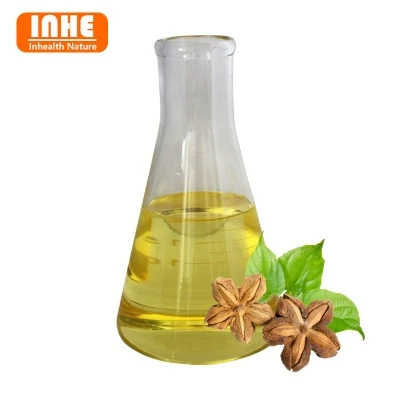
Sacha Inchi Seed Oil and Peony Seed Oil are rich in unsaturated fatty acids, which are prone to oxidation. Similar to Gromwell Root CO2 Extract, they need to be protected from high temperatures, light, and oxygen to maintain their quality.
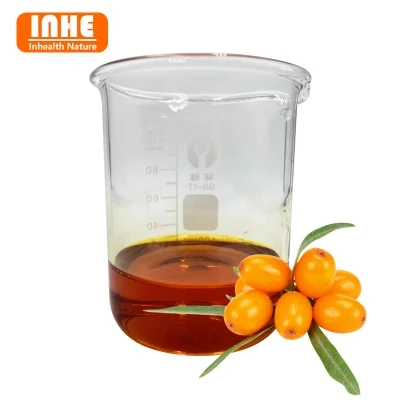
Sea Buckthorn Seed Oil, also commonly produced via supercritical CO₂ extraction, has storage requirements that differ from those of Gromwell Root CO2 Extract despite sharing the same extraction technology. This oil is rich in polyunsaturated fatty acids, particularly linoleic and α-linolenic acid, which make it highly susceptible to oxidative rancidity. It should be stored in a cool, dark place under stable temperature conditions, ideally refrigerated or kept below 20°C, in tightly sealed amber glass bottles with minimal headspace or under inert gas protection, and protected from light and oxygen to minimize peroxide formation and preserve carotenoids and tocopherols. Compared with Gromwell Root CO2 Extract, Sea Buckthorn Seed Oil has a lower intrinsic oxidative stability due to its high content of polyunsaturated fatty acids, and should not be exposed to repeated temperature fluctuations, as these can accelerate oxidation and shorten its shelf life.
Overall, while these CO₂ extracts differ in composition and dominant degradation pathways, they share a common sensitivity to heat, light, oxygen, and moisture. Understanding these similarities and differences helps ensure that each product retains its full bioactive potential throughout its shelf life.
conclusion
Proper storage of Gromwell Root CO2 Extract is essential to ensure its quality, efficacy, and safety. By controlling temperature, light, oxygen, and humidity, and using appropriate storage containers, you can extend the shelf life of the extract and maintain its bioactive properties.
If you are interested in purchasing Gromwell Root CO2 Extract or other CO2 extracts from our company, we welcome you to contact us at info@inhealthnature.com for more information and to discuss your specific requirements. We are committed to providing high-quality products and excellent service to our customers.
References
1. Assimopoulou, A. N., et al. (2004). Study on polymerization of the pharmaceutical substances isohexenylnaphthazarins. Biomedical Chromatography, 18(8), 492-500.
2. Mori, K., et al. (1995). Effect of the interaction of tannins with coexisting substances. VIII. Inhibitory effect of tannins on discoloration of natural pigments. Yakugaku Zasshi, 115(3), 221-233.
3. Kontogiannopoulos, K. N., et al. (2014). Sterically stabilized liposomes as a potent carrier for shikonin. Journal of Liposome Research, 24(3), 230-240.