

Can Arachidonic Acid Powder be used in dietary supplements?
Nov 02, 2026
Arachidonic Acid Powder occupies an unusual position in the supplement industry: it has clear regulatory authorization and well-defined dosage ceilings in infant formula, but its evidence base as an adult dietary supplement is far narrower. This article separates these two applications.
The adult supplement case: narrow evidence, limited support
A. Muscle protein synthesis. A 4-week RCT of 1.5 g/day Arachidonic Acid (ARA) in resistance-trained men found no difference in post-exercise muscle protein synthesis versus placebo (P = 0.212). The only between-group signal was a late increase in 45S preribosomal RNA, a secondary endpoint requiring replication.
B. Strength and hypertrophy. A 50-day RCT found no significant between-group differences in body composition, strength, or hypertrophy markers.
C. Basal inflammation. A 4-week RCT found no increase in basal systemic or intramuscular inflammatory markers.
D. No long-term safety data exist for daily ARA supplementation beyond 7 weeks. For adult supplements, ARA is not a performance ingredient supported by robust RCT evidence.
The infant formula case: clear rules, defined need
Infant formula is not a dietary supplement. In China, it falls under "special foods"; in the US, FDA treats it as a "critical food." This regulatory distinction matters because ARA evidence in infant formula is population-specific and dose-controlled.
A. International reference points (primary framework).
a. Codex Alimentarius (CXS 72-1981, footnote 19 to §3.1.3): If DHA is added to infant formula, ARA content should be brought to the same concentration as DHA.
b. EU Regulation 2016/127 (Annex II): ARA is optional; if added, it must not exceed 1% of total fat content.
c. EFSA Adequate Intake (2013): 140 mg/day for infants 0-6 months.
d. US FDA GRAS notices: ARA-rich Mortierella alpina oil is described at 0.75% of total fatty acids for term infants, with preterm levels of 0.40% (GRN 1259) or 0.50% (GRN 001186) depending on the notifier. ARA:DHA ratios range from 1:1 to 2:1.
B. China-specific notes (for products entering the Chinese market).
a. GB 10765/10766/10767-2021: ARA is an optional component with a maximum of 80 mg/100 kcal in infant, older infant, and young child formula.
b. GB 14880-2012: ARA oil is permitted in infant cereal at ≤2,300 mg/kg and in modified milk powder for children at ≤1% of total fatty acids.
Why infants need ARA-and why adults differ.
ARA is a major structural lipid in brain and retinal membranes, accumulating rapidly during the first 18 months. Infants fed formula without ARA may have lower erythrocyte ARA levels than breast-fed infants. This is not evidence that healthy adults need supplemental ARA, who can synthesize it endogenously. Using infant data to imply adult benefits is a category error.
Frequently asked questions
Q1: Must ARA be added together with DHA?
A: Codex Alimentarius and most national frameworks (including China's GB standards) specify that when DHA is added, ARA should be at least equal to DHA. FDA GRAS notices similarly specify ARA:DHA ratios between 2:1 and 1:1. Formulators should not treat ARA independently of the DHA ratio.
Q2: How can consumers judge whether an ARA source is reliable?
A: Look for brands that disclose supplier traceability and provide batch-level testing reports through official sources. Purchase through authorized and reliable sources and monitor regulatory food-safety notices. In infant formula, supplier microbiological control capacity matters more than any functional claim, because the product category serves a vulnerable population with no margin for contamination.
Q3: Do healthy adults need ARA supplements?
A: Generally no. Dietary intake from meat and eggs, plus endogenous synthesis from linoleic acid, meets requirements in healthy adults. Individuals on restrictive diets or with specific clinical conditions should consult a physician or dietitian before supplementing. This aligns with the article's conclusion that adult ARA supplements lack robust efficacy evidence and are best positioned as a fatty acid source for restricted diets, not a performance enhancer.
Q4: What should formulators prioritize when using ARA powder in infant formula?
A: Microbial control comes before any functional claim. FDA GRAS evaluation records for ARA-rich Mortierella alpina oil have documented microbiological concerns (including Cronobacter) in some batches, which can affect a notice's regulatory outcome. Formulators should require suppliers to provide certificates of analysis confirming the absence of Cronobacter, Salmonella, and Listeria.
Q5: Is ARA in infant formula the same as ARA in adult supplements?
A: No. They fall under different regulatory categories, different dose ceilings, and different evidence standards. Infant formula ARA is supported by developmental nutrition research and specific authorization limits; adult supplement ARA rests on short-term RCTs with largely null primary endpoints.
What this means for formulation and positioning
A. For infant formula: ARA is a well-established fortifier with clear regulatory pathways. Use ARA powder from suppliers with verified GRAS or Novel Food status. For products targeting multiple markets, confirm compliance against the applicable framework-Codex/EU/FDA for international markets, and GB 10765/10766/10767-2021 (80 mg/100 kcal, ARA≥DHA when DHA is added) for China.
B. For adult supplements: ARA is not a performance ingredient. If included, position narrowly as a fatty acid source for restricted diets, not a muscle-building enhancer.
C. For marketing: The strongest ARA story is infant nutrition-backed by regulatory ceilings and developmental research. The adult supplement story is considerably weaker.
Related products from Inhealth Nature
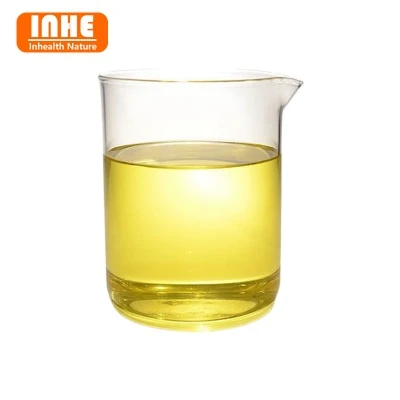
Arachidonic Acid Oil (ARA 40%-45%)
Mortierella alpina-fermented oil for liquid and emulsion-based applications, including infant formula and functional dairy products.
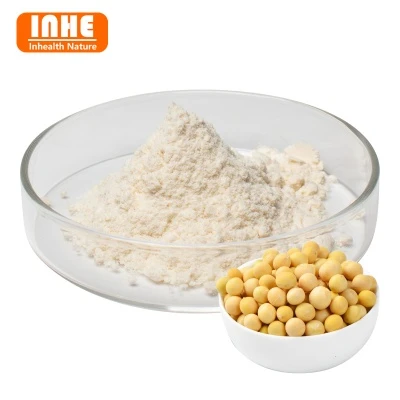
Phosphatidylserine 20% Powder (Soy-Derived)
Non-GMO soy-derived phospholipid standardized to 20% phosphatidylserine, with FDA GRAS status for use in fortified foods and dietary supplements. A common companion ingredient in cognitive health and brain-nutrition formulations where ARA is also considered.
bottom line
Arachidonic acid is not one ingredient with one story-it is two applications with two different evidence standards. In infant formula, ARA has a legitimate, regulation-backed role with defined ceilings and developmental rationale across Codex, EU, US, and Chinese frameworks. In adult supplements, the evidence remains narrow and does not support performance claims. The responsible path is to formulate and market each application on its own advantages-and to choose an ARA source whose documentation can withstand regulatory review in both categories.
Looking for a compliant ARA source? We supply ARA powder and oil with full traceability, batch-level microbiological testing, and documentation aligned with GRAS and Novel Food requirements. Whether you are developing infant formula or evaluating ARA for a supplement line, our team can support your formulation and regulatory questions. Contact us at info@inhealthnature.com to discuss your project.
References
[1] Mitchell CJ, et al. J Appl Physiol. 2018;124(4):1080-1091.
[2] Roberts MD, et al. J Int Soc Sports Nutr. 2007;4:21.
[3] Markworth JF, et al. Prostaglandins Leukot Essent Fatty Acids. 2018;128:74-86.
[4] EFSA NDA Panel. Scientific Opinion on nutrient requirements and dietary intakes of infants and young children in the European Union. EFSA Journal. 2013;11(10):3408. (Table 7: AI ARA 140 mg/day, 0–6 months)
[5] Codex Alimentarius CXS 72-1981, §3.1.3 footnote 19.
[6] Commission Delegated Regulation (EU) 2016/127, Annex II.
[7] FDA GRAS Notice GRN 1259 (ATK Biotech) - ARA-rich M. alpina oil, term 0.75%, preterm 0.40%, ARA:DHA 1:1–2:1.
[8] FDA GRAS Notice GRN 001186 (Runke Bioengineering) - ARA-rich M. alpina oil, term 0.75%, preterm/low-birth-weight 0.50%, ARA:DHA 2:1–1:1. FDA concluded the notice did not provide a sufficient basis for GRAS status due to a Cronobacter-positive batch.
[9] GB 10765-2021; GB 10766-2021; GB 10767-2021 (ARA max 80 mg/100 kcal). (Chinese-language standards.)
[10] GB 14880-2012 (infant cereal ≤2,300 mg/kg; modified milk powder ≤1% total fatty acids). (Chinese-language standard.)