

Can Nicotinamide Powder be ingested?
Nov 13, 2026
Nicotinamide Powder is one of the most common raw materials we supply-and one of the most frequently misunderstood. Business buyers ask about purity, documentation, and dosing guidance; individual users ask whether they can ingest it straight. This guide answers both, with the sourcing and safety details that matter to commercial buyers first.
What is nicotinamide, and is it GRAS?
Nicotinamide (niacinamide) is a form of vitamin B3, distinct from nicotinic acid, the other common B3 form that causes flushing. The body uses it to synthesize NAD+, a coenzyme central to cellular energy metabolism, DNA repair, and sirtuin activity.
For formulators and brand owners, the key regulatory fact is this: in the United States, niacinamide is affirmed as Generally Recognized As Safe (GRAS) for use as a nutrient supplement in food, with no limitation other than current good manufacturing practice (21 CFR 184.1535). That status applies to food-grade material only-industrial-grade niacinamide is outside the scope of this GRAS affirmation and should not be represented as food-grade.
recommended dosage
The recommended daily intake for niacin (as niacin equivalents) is 16 mg for adult men and 14 mg for adult women. Research and supplement positioning often involve higher doses, which is where formulation and labeling decisions matter.
|
Dose Range |
Context |
Key Safety Note |
|
500-2,000 mg/day |
Used in some supplement products and studies; not an officially established therapeutic window |
Exceeds dietary reference intake but within ranges studied |
|
Up to 3,000 mg/day |
Studied in a 48-week randomized, placebo-controlled trial; adverse events were balanced with placebo |
NIH guidance notes that nausea, vomiting, and signs of liver toxicity can occur at nicotinamide intakes of 3,000 mg/day or higher; medical supervision required |
|
>3 g/day long-term |
Outside the range supported by the above trial; higher exposure increases risk |
Unsupervised use should be discouraged |
For finished-product brands: if your label positions a daily dose at or above 3,000 mg, build a safety documentation, include appropriate label warnings, and consult regulatory counsel. For buyers evaluating raw material: the dose table above reflects the context your customers may encounter-your COA and specification sheet should support the dose you intend to market.
How nicotinamide powder is typically used
Nicotinamide is freely soluble in water and is typically described in supplier specifications as odorless and tasteless-properties that matter for formulation. It disperses readily in:
a. Water, lukewarm beverages, and ready-to-mix powders
b. Smoothies, protein shakes, and yogurt-based products
c. Oatmeal and other neutral-flavored food matrices
For ready-to-mix or hot-beverage applications, confirm that your process temperature is compatible with all ingredients in the matrix; nicotinamide itself is not the limiting heat-sensitive component in most formulations.
For brand owners: These are the consumer usage patterns your label and FAQ should address.
For formulators: Solubility and taste neutrality make nicotinamide straightforward to incorporate, but confirm compatibility with your specific matrix and process temperature-nicotinamide itself is not the limiting heat-sensitive component in most formulations.
food-grade vs. industrial-grade
Not all nicotinamide powder is intended for ingestion. The market includes food-grade, pharmaceutical-grade, and industrial-grade material. Industrial-grade nicotinamide is used in technical applications such as chemical synthesis and is not tested against food-grade, feed-grade, or pharmaceutical-grade specifications.
For commercial buyers, the non-negotiables are:
a. Grade designation on the COA (food-grade or pharmaceutical-grade, not "technical")
b. Third-party purity testing with batch-specific results
c. Heavy-metal and residual-solvent screening reported against a stated limit
d. Full traceability from lot number to manufacturing date
A supplier who cannot provide these documents for a specific batch is not a supplier you should put on your label.
Interactions and cautions
High-dose nicotinamide is not a "generally safe at any dose" ingredient, and your label copy should reflect that. Consumers should consult a healthcare provider before high-dose use if they:
a. Are pregnant or breastfeeding (safety not established)
b. Have liver disease or elevated liver enzymes (reversible hepatotoxicity reported at very high doses, generally above 3 g/day)
c. Take prescription medications (consult a healthcare provider or pharmacist about potential interactions with your specific regimen)
The NIH Office of Dietary Supplements notes that high intakes of niacin can cause health problems and that very high doses should be supervised by a healthcare provider. For brands, this is label-copy material, not fine print to bury.
What we supply
We work with formulators, skincare brands, and supplement companies, as well as individual buyers. Our core offering is high-purity nicotinamide powder, tested to 99.5% purity with third-party verification and batch-specific COAs. Alongside nicotinamide, we supply a range of food-grade and pharmaceutical-grade raw materials, each documented and tested on its own terms:
Quercetin 98% extract powder: A flavonoid with in vitro and some human research on oxidative stress and inflammation markers. Note: published research on quercetin and nicotinamide is limited to formulation studies (e.g., cocrystal preparation to improve quercetin solubility), not to combined supplementation.
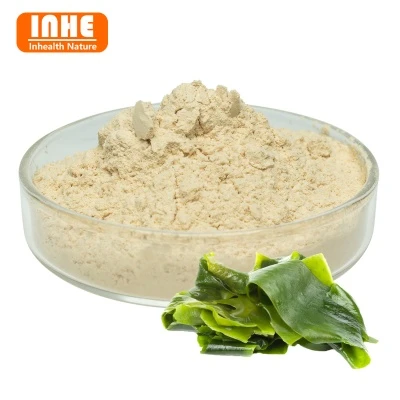
Fucoidan powder: A polysaccharide from brown algae with preliminary research in immune and metabolic contexts.
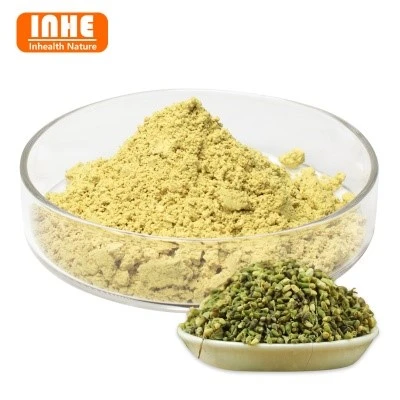
Shikimic acid powder: An intermediate in the shikimate pathway, supplied as a single raw material.
Services for business buyers
For formulators, skincare brands, and supplement companies, we offer:
a. Small test batches for evaluation before committing to bulk orders
b. Batch-specific COAs with purity, heavy-metal, and microbial testing
c. Custom order sizes and packaging
d. Documentation support for your quality and regulatory review, including GRAS basis and specification sheets
If you are evaluating nicotinamide for a finished product, tell us your target dose, matrix, and market-we will match the specification to your application rather than sending a generic quote.
Quick checklist before you buy
a. Grade: Food-grade or pharmaceutical-grade only-confirm it on the COA, not just the product page.
b. Testing: Third-party COA with purity ≥99%, heavy-metal screening, and residual-solvent data.
c. Dose context: Understand the dose range your label will carry and the safety language it requires.
d. Regulatory file: Confirm the GRAS basis and any market-specific documentation you need.
e. Supplier responsiveness: A supplier who answers specification questions in writing is a supplier worth keeping.
Ready to evaluate nicotinamide powder for your product?
Whether you need a small test batch or a bulk supply order, we answer specification questions in writing-purity data, COA samples, heavy-metal results, and order options matched to your application. Email us at info@inhealthnature.com with your target dose, matrix, and market, and we will respond with the documentation you need to make a sourcing decision.
References
[1] U.S. Food and Drug Administration. 21 CFR 184.1535: Niacinamide. Electronic Code of Federal Regulations. Available at: https://www.ecfr.gov/current/title-21/section-184.1535
[2] National Institutes of Health, Office of Dietary Supplements. Niacin Fact Sheet for Consumers. Available at: https://ods.od.nih.gov/factsheets/niacin-consumer/
[3] National Institutes of Health, Office of Dietary Supplements. Niacin Fact Sheet for Health Professionals. Available at: https://ods.od.nih.gov/factsheets/Niacin-HealthProfessional/
[4] Knip M, et al. Safety of high-dose nicotinamide: a review. Diabetologia. 2000;43(11):1337-1345. doi:10.1007/s001250051536
[5] National Institutes of Health, Office of Dietary Supplements. What's the Scoop? Common Misconceptions About Vitamins and Minerals. July 2023.