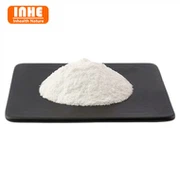
Will Tagatose Powder Become the Rising Star?
Sep 06, 2024
The truth about tagatose sweetener
Diabetes and obesity are two chronic disorders that are linked to excessive sugar consumption. Excessive intake of sugar is as harmful to the body as alcohol[1]. In recent years, the demand for sugar reduction and substitutes has continued to be hot. Rare sugars are monosaccharides and their derivatives that exist in nature but at low levels. As a new type of functional sweetener, they have become a hot research topic internationally. Rare sugars produce less energy after consumption and have physiological functions such as inhibiting blood sugar increase, anti-obesity, anti-oxidation, and anti-inflammation[2-3]. As a rare sugar, Tagatose Powder tastes similar to sucrose, with a sweetness of 92% of sucrose, but only one-third of the calories. Prebiotics, anti-oxidation, anti-caries, reducing blood sugar, boosting immunity, avoiding cardiovascular and cerebrovascular disorders, and promoting gut flora are a few of the numerous physiological benefits that tagatose sweetener provides to the human body. Therefore, d-tagatose is an ideal functional sweetener. Tagatose sweetener has good stability and solubility. Compared with other oligosaccharides, tagatose sugar has more stable chemical properties and can maintain its original structure and properties under extreme conditions such as high temperature, acid, and alkali. At the same time, tagatose sugar also has good solubility and can be quickly dissolved in a variety of media such as water and alcohol. This characteristic makes tagatose sweetener widely used in food, medicine, cosmetics, and other fields.

Which one is better as a sweetener?
In the ongoing effort to create food and drink that is both healthier and more pleasurable, sweeteners are essential. Four popular sweeteners that have gained attention are tagatose sweetener, allulose, aspartame, and stevioside. Each sweetener is different and has advantages of its own.
★ Tagatose Sweetener
a. Dairy products include a naturally occurring sugar called tagatose. It is a white, crystalline powder that dissolves easily in water. Tagatose has a sweet taste similar to sucrose but with only about one-third of the calories. Additionally, compared to regular sugars, it has a low glycemic index, which implies that it raises blood sugar levels more slowly.
b. Tagatose sweetener's possible health benefits are one of its main advantages. Prebiotic effects, which encourage the growth of good bacteria in the stomach. Since tagatose has little effect on blood sugar, it is also appropriate for those who have diabetes. Beverages, dairy products, baked goods, and other food and beverage applications are a few of the many uses for it.
★ Allulose
a. Allulose is a rare sugar that occurs naturally in fruits such as figs and raisins. Allulose has a sweet taste similar to sucrose but with only about 10% of the calories. It also has a very low glycemic index and does not cause a significant increase in blood sugar levels.
b. Allulose offers several advantages as a sweetener. Since it is low in calories, it might be a fantastic choice for anyone trying to reduce their calorie consumption. It is also suitable for people with diabetes as it has a minimal impact on blood sugar levels. Beverages, baked foods, frozen desserts, and other food and beverage products can all use allulose.
★ Aspartame
a. Aspartame is an artificial sweetener that is made from two amino acids, aspartic acid and phenylalanine. It is a white crystalline powder. Aspartame has a sweet taste that is about 200 times sweeter than sucrose. However, it has a very low-calorie content.
b. Because of its strong sweetness and low-calorie content, aspartame is a widely used sweetener. Chewing gum, soft drinks, tabletop sweeteners, and other food and beverage goods are just a few of the items that can be used. Aspartame is also suitable for people with diabetes as it does not raise blood sugar levels. However, it is important to note that some people may have an intolerance to aspartame.
★ Stevioside
a. Stevioside is a natural sweetener that is extracted from the leaves of the stevia plant. Stevioside has a sweet taste that is about 200 to 300 times sweeter than sucrose. It has zero calories and does not raise blood sugar levels.
b. Stevioside offers several advantages as a sweetener. Because it is natural and derived from a plant source, those who like natural products often choose it. It is also calorie-efficient and appropriate for diabetics. Beverages, baked foods, dairy products, and other food and beverage products can all include stevioside.

What is the specific Application in food?
★ Applications in Beverages
a. Soft Drinks and Fruit Juices: Tagatose sugar can be an excellent alternative to traditional sweeteners in soft drinks and fruit juices. It provides a sweet taste similar to sucrose but with a significantly lower calorie content. Customers wishing to cut back on sugar without compromising flavor will find it to be the perfect option because of this. Additionally, tagatose has a relatively low glycemic index, which means it causes a slower increase in blood sugar levels compared to regular sugars. People who are trying to control their blood sugar levels or who have diabetes may find this helpful.
b. Sports Drinks: In sports drinks, tagatose sugar can serve as a source of energy without the excessive sugar load. In addition to adding a mild sweetness to enhance flavor, it can aid in restoring glycogen levels following physical activity. Athletes who want a consistent energy source without blood sugar spikes may find it advantageous due to its low glycemic index.
★ Applications in Baked Goods
a. Cakes and Cookies: Tagatose sugar can be used in baked goods such as cakes and cookies to reduce the calorie content while maintaining the desired texture and flavor. It can replace a portion of the sugar in the recipe, resulting in a product that is lower in calories but still delicious. Additionally, tagatose sugar can help retain moisture in baked goods, prolonging their shelf life.
b. Bread and Muffins: In bread and muffins, d-tagatose sweetener can be added to enhance the flavor and provide a touch of sweetness. Through improved rising and softer crumb, it can aid in textural improvement. Its prebiotic properties can potentially support the growth of beneficial gut bacteria.
★ Applications in Dairy Products
a. Yogurt: D-tagatose sugar can be incorporated into yogurt to provide sweetness without adding excessive calories. Yogurt's mouthfeel and texture may also be enhanced, becoming creamier and more pleasurable. For the general health of the digestive system, the prebiotic properties of tagatose sugar can help to maintain a more balanced gut microbiota.
b. Ice Cream: In ice cream, tagatose sugar can be used to reduce the sugar content while maintaining the smoothness and richness of the product. Ice cream melting properties can be enhanced and ice crystal formation can be inhibited. Additionally, because it is minimal in calories, consumers may indulge in it guilt-free.
★ Applications in Confectionery
a. Chocolates and Candies: Tagatose sugar can be used in chocolates and candies to create a sweet treat with fewer calories. It can replace a significant portion of the sugar in these products without sacrificing the taste and texture. Additionally, tagatose sweeteners can help improve the stability of chocolates and prevent blooming, ensuring a longer shelf life.
b. Chewing Gum and Lozenges: In chewing gum and lozenges, tagatose sugar can provide a long-lasting sweetness without the negative effects of traditional sugars on dental health. For customers who are worried about their oral health, it is a preferable option because it may help lower the risk of cavities and tooth decay.

What is the recommended dosage as a food additive?
Several factors need to be considered when determining the appropriate dosage of d-tagatose sugar in food products.
★ Taste Preferences
The sweetness intensity of tagatose sugar is slightly less than that of sucrose. Therefore, a higher dosage may be required to achieve the same level of sweetness. However, individual taste preferences vary, and some people may prefer a less sweet product.
★ Product Application
The type of food product also influences the dosage of tagatose sweeteners. For example, in beverages, a lower dosage may be sufficient as the sweetness can be more easily adjusted. In baked goods, a higher dosage may be needed to compensate for the loss of sweetness during the baking process.
★ Health Considerations
Tagatose sugar is considered a low-calorie sweetener, but excessive consumption may still have some impact on health. For individuals with diabetes or those on a restricted diet, it is important to consider the total carbohydrate and calorie intake.
Based on current research and industry practices, the following dosage ranges are recommended for different food applications.
★ Beverages
In soft drinks and fruit juices, a dosage of 2-5% tagatose sugar can provide a satisfactory level of sweetness. For sports drinks and energy beverages, a slightly higher dosage of 3-7% may be appropriate.
★ Baked Goods
For cakes, cookies, and pastries, a dosage of 5-10% tagatose sugar can replace a significant portion of sucrose without sacrificing taste. In bread and muffins, a lower dosage of 3-5% may be sufficient.
★ Dairy Products
In yogurt and ice cream, a dosage of 3-6% tagatose sugar can enhance the sweetness while reducing calorie content. For milk and cheese products, a lower dosage of 1-3% may be suitable.
★ Confectionery
In chocolates and candies, a dosage of 5-10% tagatose sugar can provide a sweet taste without the excessive calories of traditional sugars. For chewing gums and lozenges, a higher dosage of 7-12% may be needed for a longer-lasting sweetness.
Where to buy high-grade tagatose sweetener?
You may rely on shaw@inhealthnature.com to be your reliable guide as you set out on your path to finding proper and premium products. With a dedication to quality and a love of health, we provide superior Tagatose Powder made from the abundance of nature.
★ About Inhealth Nature
Inhealth Nature uses key technologies as a top provider in the herbal extract market to provide our clients with outstanding value. Utilizing cutting-edge extraction methods in our production procedures sets us apart. Sophisticated techniques like enzymatic, water distillation, and supercritical fluid extraction are carefully applied. Advanced methods provide optimal effectiveness, increased productivity, and superior quality of the extracted substances. Better products with more potency and efficacy for consumers are the result of this.
References
[1] LUSTIG R H, SCHMIDT L A, BRINDIS C D. The toxic truth about sugar[J]. Nature, 2012, 482(7383): 27-29.
[2] HAN Y, PARK H, CHOI B R, et al. Alteration of microbiome profile by D-allulose in amelioration of high-fat-diet-induced obesity in mice[J]. Nutrients, 2020, 12(2): 352.
[3] IWASAKI Y, SENDO M, DEZAKI K, et al. GLP-1 release and vagal afferent activation mediate the beneficial metabolic and chronotherapeutic effects of D-allulose[J]. Nature Communications, 2018, 9: 113.