

Why Choose Steam Distillation to Extract Wormwood Essential Oil?
Mar 04, 2024
what is wormwood essential oil?
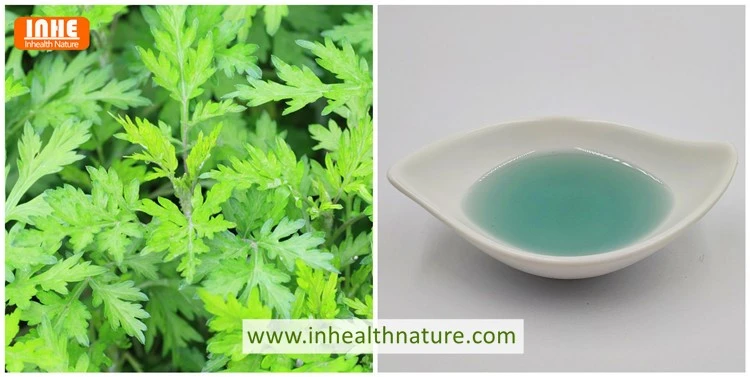
Wormwood Leaf Essential Oil offers a range of health benefits due to its active compounds like thujone, artemisia ketone, and camphor. This essential oil provides a natural and versatile solution, whether used in aromatherapy, topically, or as an insect repellent. As the market trend leans towards natural alternatives, wormwood essential oil is poised to make a mark in the industry, catering to individuals seeking holistic wellness options.
Wormwood essential oil is typically extracted using two common methods: steam distillation and solvent extraction. Steam distillation involves passing steam through the wormwood leaves, which helps release the volatile compounds. The steam carrying these essential oils is then condensed, resulting in the extraction of high-quality wormwood essential oil. In solvent extraction, solvents like hexane or ethanol dissolve the essential oils from the wormwood leaves. The solvent is later evaporated, leaving behind the concentrated essential oil. The aromatic scent of wormwood essential oil makes it popular in aromatherapy. Inhalation or diffusion of this oil may help promote relaxation, relieve stress, and improve sleep quality. When diluted with a carrier oil, wormwood essential oil can be applied topically to soothe minor skin irritations, reduce inflammation, and support wound healing. The strong scent of wormwood essential oil acts as a natural insect repellent. It can be used to deter mosquitoes, fleas, and other insects. The market demand for natural and holistic products has been steadily increasing, and wormwood essential oil is no exception. With its unique aroma and potential health benefits, this oil is expected to grow significantly in the coming years. Consumers seeking natural remedies, skincare enthusiasts, and those interested in alternative therapies are likely to be the primary target audience for wormwood essential oil.
how can we obtain high-quality wormwood essential oil?
Extracting essential oil from wormwood leaves involves several methods, each offering unique benefits and applications. In this part, let's delve into the various techniques used to extract wormwood essential oil, their advantages, and suitable scenarios for each method.
★ Steam Distillation
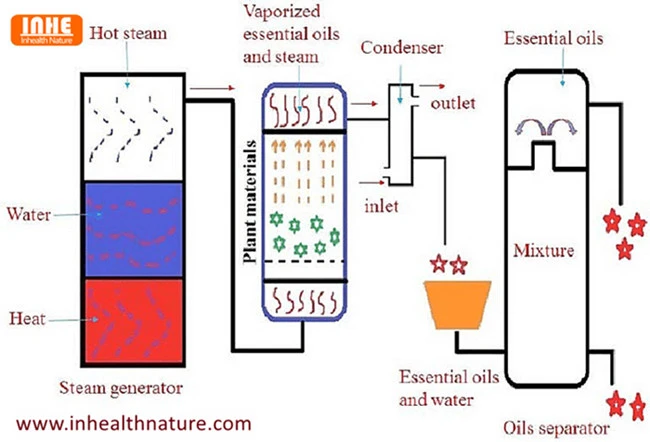
Steam distillation is the most common method for extracting essential oils from wormwood leaves. This process involves passing steam through a container filled with wormwood leaves, causing the volatile compounds to evaporate and carry over with the steam. The steam is then condensed, resulting in the separation of essential oil from water. Steam distillation is effective in preserving the natural aroma and active compounds of wormwood essential oil. This method is versatile and suitable for a wide range of plant materials, including wormwood leaves.
★ Water Steam Distillation
A variation of steam distillation, water steam distillation involves placing wormwood leaves in water and heating it to generate steam. The steam carries the volatile components of the leaves, which are then condensed to extract the essential oil. Water steam distillation is known for causing less damage to delicate plant materials and is particularly suitable for extracting essential oils from sensitive plants like wormwood.
★ Cold Pressing
Cold pressing is a method commonly used for extracting essential oils from citrus peels but can also be applied to certain plant materials like wormwood. This technique involves mechanical pressing of the plant material to squeeze out the essential oil. Cold pressing does not involve heat, allowing for the preservation of the original aroma and components of the essential oil. While not as commonly used for wormwood as for citrus fruits, cold pressing can be effective for specific applications.
★ Solvent Extraction
Solvent extraction utilizes chemical solvents such as ethanol or hexane to dissolve the essential oil components from the plant material. After extraction, the solvent is evaporated, leaving behind the essential oil. This method is suitable for extracting components that are challenging to capture through distillation. However, there may be concerns about residual solvents in the final product.
★ Supercritical Carbon Dioxide Extraction
Supercritical carbon dioxide extraction is a high-efficiency technique that uses carbon dioxide in a supercritical state as a solvent to extract essential oils. In this state, carbon dioxide exhibits both liquid-like solvency and gas-like diffusivity, enabling efficient extraction and easy separation of the essential oil from the extract. Supercritical carbon dioxide extraction can yield a comprehensive range of components from wormwood leaves, but it requires specialized equipment and higher costs.
In conclusion, the choice of extraction method for wormwood essential oil depends on factors such as the nature of the target components, cost considerations, and equipment availability. While steam distillation is commonly used for its cost-effectiveness and simplicity in industrial settings, more advanced techniques like supercritical carbon dioxide extraction may be preferred for scientific research or specific applications requiring a comprehensive extraction of components. Each method offers unique advantages, and selecting the most appropriate one is crucial in obtaining high-quality wormwood essential oil for various purposes.
why choose steam distillation to extract wormwood essential oil?
Steam distillation of wormwood essential oil offers advantages in terms of preserving the quality and integrity of the oil, ensuring safety and environmental sustainability, and providing scalability and cost-effectiveness. These benefits make it a preferred method for extracting high-quality essential oils from wormwood and other aromatic plants.
★ Preservation of Thermolabile Components
Steam distillation operates at temperatures that are generally lower than the boiling points of the compounds being distilled. This is particularly beneficial for extracting essential oils like those from wormwood leaves, which may contain thermolabile (heat-sensitive) components. The steam helps to volatilize these compounds without degrading them, ensuring the essential oil retains its characteristic properties and therapeutic benefits.
★ Efficiency and Purity
The process is highly efficient in separating the essential oil from water-soluble components and impurities. Since the essential oil is immiscible with water, it can be easily separated after condensation. This results in a relatively pure form of the essential oil, requiring minimal further purification.
★ Safety
Compared to other extraction methods that might require the use of flammable solvents or chemicals, steam distillation is generally safer. It primarily uses water steam as the extracting medium, reducing the risk of fires, explosions, or exposure to toxic substances.
★ Environmental Friendliness
Steam distillation is considered environmentally friendly because it minimizes the use of chemical solvents. The primary by-product is water, which has much less environmental impact compared to solvent-based extraction methods.
★ Scalability
The process can be easily scaled up or down, making it suitable for both small artisanal producers and large-scale industrial operations. This flexibility allows producers to adjust their production based on demand and availability of wormwood leaves.
★ Cost-Effectiveness
While the initial setup cost for steam distillation equipment can be significant, the overall process is cost-effective in the long run. It uses water, which is a cheap and readily available resource, and the operation costs are relatively low, especially when considering the efficiency and yield of the process.
★ Quality and Aromatic Profile Preservation
Steam distillation is known for its ability to preserve the natural aromatic profile of essential oils. This is crucial for wormwood essential oil, which is valued for its unique aroma and flavor, especially in applications like perfumery and flavoring.
what innovative methods will be used to extract wormwood essential oil?
Wormwood essential oil has a rich history of traditional use and is valued for its therapeutic properties. Looking ahead, the extraction process of wormwood essential oil is expected to undergo innovative advancements that will shape its future. In this part, we will explore potential innovative extraction processes that may emerge in the future, driving the evolution of wormwood essential oil production.
★ Nanotechnology-Assisted Extraction
In the future, nanotechnology may revolutionize the extraction process of wormwood essential oil. Nanoparticles and nanoemulsions can enhance the solubility and bioavailability of essential oil compounds, leading to more efficient extraction and improved delivery of therapeutic benefits. This innovative approach could optimize the utilization of raw materials while elevating the overall quality of the extracted oil.
★ Enzyme-Assisted Extraction
Enzyme-assisted extraction is poised to be a game-changer in the future of wormwood essential oil production. By utilizing specific enzymes to break down cell walls and release bioactive compounds from plant tissues, this method can significantly improve extraction yields and preserve delicate volatile components. Enzyme-assisted extraction offers a greener and more sustainable alternative to conventional techniques.
★ Pulsed Electric Field Extraction
The application of pulsed electric field (PEF) technology holds promise for the future extraction of wormwood essential oil. PEF uses short pulses of high-voltage electricity to permeabilize plant cell membranes, facilitating the extraction of intracellular compounds. This gentle and efficient method minimizes thermal degradation and could lead to higher extraction efficiency and product quality.
★ Continuous Flow Extraction Systems
In the future, the adoption of continuous flow extraction systems is anticipated to streamline the production of wormwood essential oil. These advanced systems enable uninterrupted extraction processes, reducing processing times and resource consumption. By optimizing the use of solvents and energy, continuous flow extraction contributes to enhanced productivity and sustainability in oil production.
★ Supercritical Carbon Dioxide Extraction
Supercritical carbon dioxide (SC-CO2) extraction is likely to become more prevalent in the future of wormwood essential oil extraction. SC-CO2 offers a solvent-free and environmentally friendly method that ensures the retention of delicate aromatic compounds. This technique allows for precise control over extraction parameters, resulting in high-purity essential oil with minimal environmental impact.
★ Microwave and Ultrasound-Assisted Extraction
The integration of microwave and ultrasound technologies into the extraction process holds great potential for the future. These non-conventional methods can enhance mass transfer and disrupt cell structures, promoting the efficient release of essential oil constituents. Microwave and ultrasound-assisted extraction may offer rapid extraction rates and improved energy efficiency compared to traditional methods.
★ Hybrid Extraction Approaches
The future may witness the emergence of hybrid extraction approaches that combine multiple innovative techniques to optimize the extraction process of wormwood essential oil. By integrating the strengths of different extraction methods, such as combining supercritical fluid extraction with ultrasound assistance, manufacturers can achieve synergistic effects and maximize extraction efficiency.
what finished products can wormwood essential oil be used in?
The versatile applications of wormwood essential oil span across various industries, including aromatherapy, skincare, hair care, cleaning solutions, herbal medicine, flavors, insect control, and pet care. Its beneficial properties, natural fragrance, and therapeutic effects make it a sought-after ingredient in the formulation of diverse products catering to consumer needs and preferences.
★ Aromatherapy and Perfumery
Wormwood essential oil is highly valued in aromatherapy and perfumery for its distinct fragrance and therapeutic benefits. Its herbaceous, slightly woody aroma adds depth to fragrance compositions and can serve as a top, middle, or base note in perfumes. In aromatherapy, the oil is known for its calming and relaxing properties, making it a popular choice for diffusers, massage oils, and scented candles.
★ Skincare and Cosmetics
Due to its anti-inflammatory, antiseptic, and antioxidant properties, wormwood essential oil is a valuable ingredient in skincare and cosmetic formulations. The oil can help soothe irritated skin, reduce redness, and combat signs of aging. It is commonly used in creams, lotions, serums, and facial masks targeting acne-prone or sensitive skin. Additionally, its natural fragrance adds a refreshing element to skin care products.
★ Hair Care Products
In hair care products, wormwood essential oil offers benefits such as promoting hair growth, balancing scalp oil production, and imparting a fresh scent. It can be incorporated into shampoos, conditioners, scalp treatments, and hair masks to nourish the hair and scalp while providing a stimulating and invigorating experience during use. The oil's antimicrobial properties also contribute to scalp health.
★ Natural Cleaning Solutions
The antimicrobial and insect-repellent properties of wormwood essential oil make it a valuable ingredient in natural cleaning solutions. The oil can be added to surface cleaners, air fresheners, and laundry detergents to disinfect surfaces, repel pests, and deodorize spaces effectively. Its pleasant scent provides a natural alternative to synthetic fragrances in household cleaning products.
★ Herbal Medicine and Therapeutic Products
In herbal medicine, wormwood essential oil is recognized for its potential health benefits, including digestive support, immune system modulation, and anti-parasitic properties. The oil can be used in the formulation of dietary supplements, herbal remedies, and therapeutic products targeting specific health concerns. Its versatile applications extend to supporting overall well-being and vitality.
★ Flavors and Food Products
Wormwood essential oil is utilized in the food and beverage industry for its unique flavor profile and aromatic qualities. In culinary applications, the oil can add a hint of bitterness and herbal notes to dishes, desserts, and beverages. It is commonly used in flavoring spirits, liqueurs, bitters, and herbal teas, contributing to complex and distinctive taste profiles.
★ Natural Insecticides and Repellents
Given its insecticidal properties, wormwood essential oil is employed in the formulation of natural insecticides and insect repellents. The oil can help deter pests such as mosquitoes, flies, and moths without the use of harmful chemicals. It is an eco-friendly alternative for pest control in homes, gardens, and outdoor spaces.
★ Pet Care Products
Wormwood essential oil is also utilized in pet care products for its potential benefits in repelling fleas, ticks, and other pests that may affect pets. The oil can be found in pet shampoos, sprays, and grooming products designed to promote the well-being and comfort of companion animals. Its natural properties make it a preferred option for pet owners seeking holistic solutions.
For inquiries about Wormwood Leaf Essential Oil extraction methods or sourcing this valuable ingredient for your products, please contact us at mary@inhealthnature.com. Our team is dedicated to providing top-quality essential oils for all your manufacturing needs. Harness the power of wormwood essential oil and elevate your products to new heights of excellence and effectiveness.


