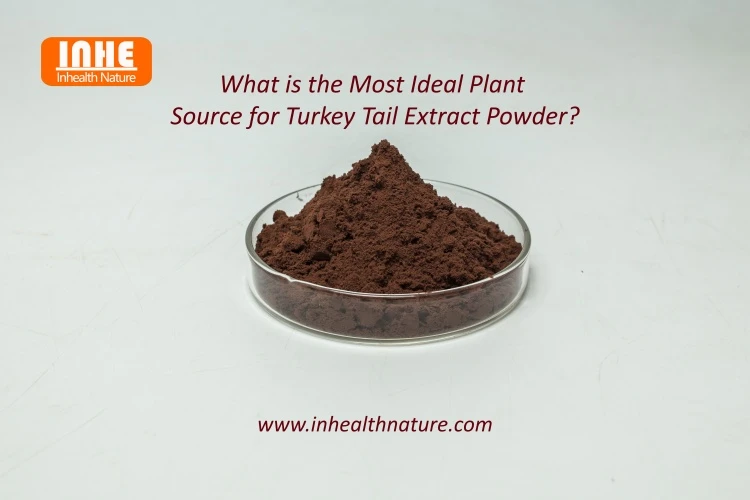
What is the Most Ideal Plant Source for Turkey Tail Extract Powder?
Jan 21, 2026
Within the rapid development of dietary supplements, nutraceuticals, and advanced pharmaceuticals, Turkey Tail Mushroom Extract Powder has secured a prominent position, prized for its immunomodulation properties. A fundamental choice facing producers and consumers alike is the extract's origin: the complex, visible fruiting body or the fibrous, root-like mycelium. Therefore, understanding this distinction between fruiting body and mycelium extracts is essential for modern functional mushroom applications. Follow our steps to delve into the differences between the two as follows.
main differences
Turkey Tail extract powder is primarily derived from either the fruiting body (the visible, shelf-like mushroom) or the mycelium (the root-like network). The choice between them affects potency, cost, and the specific health benefits you receive. First, let's take a look at what they are.
Brief Introduction
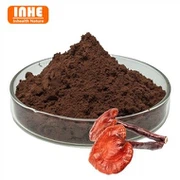
a. Fruiting Body Extract Powder: The powder is made from the visible, colorful, fan-shaped mushroom that grows on logs. It is the concentrated source of the mushroom's most studied medicinal compounds. When labeled as an extract from the fruiting body, it means the final powder contains only this part of the fungus, typically with hot water or ultrasonics used to extract the beneficial compounds.
b. Mycelium Extract Powder: The powder is made from the mycelium-the hidden, thread-like root system of the fungus. The mycelium is dried and powdered.
Main Differences
|
Item |
Fruiting Body Extract Powder |
Mycelium Extract Powder |
|
Active Ingredients |
It contains a variety of compounds, including polysaccharide peptides (PSP/PSK), β-glucan, triterpenoids, sterols, and enzymes. |
Contains Polysaccharide-Peptide (PSP), a different bioactive compound. Beta-glucan content is typically much lower (5-7%). |
|
Growth & Production |
Longer cycle (3-4 months). Requires inducing fruiting in a controlled environment. More labor-intensive harvest (picking individual caps). |
Faster cycle. Grows entirely indoors in bags. Simpler harvest (whole block is dried and ground). The final product is the mycelium substrate. |
|
Cost & Production Efficiency |
Higher production cost due to time, space, and labor. Higher cost per mg of beta-glucan due to concentrated actives. |
Generally, lower cost to produce due to faster, simpler process. Lower cost per mg of powder, but also much lower potency. |
|
Health Benefits & Focus |
Immune modulation via high beta-glucans and PSK. Strongest support for clinical, immune-focused use. Potent, concentrated effect. |
Immune support from PSP. Bioactivity stems from mycelium. Effects may be less potent per gram. |
the selection methods for people with low immunity
|
User Group |
Primary Goal |
Recommended Choice & Rationale |
Key Practical Considerations & Budget Tips |
|
Frequent Colds/Infections |
Potent, reliable immune support |
Fruiting Body Extract: For its consistently higher concentration of immunomodulatory beta-glucans (often 30-40%). |
Look for a polysaccharide percentage on the label (e.g., 30%+). Start with a standard dose and monitor response. |
|
Chronic Fatigue/Sub-health |
Broad immune & systemic support |
Fruiting Body Extract: Provides a more concentrated source of bioactive compounds (like PSK/PSP) studied for immune modulation. |
A dual-extract (ultrasonic-assisted & alcohol) may offer a broader compound profile. Consistency over months is key. |
|
Limited Budget |
Effective support at a lower cost |
Fruiting Body Extract (if quality allows): Higher potency means lower effective dose cost. OR a reputable mycelium powder if the budget is extremely tight. |
Calculate cost per gram of polysaccharide, not cost per bottle. Mycelium products often require much larger, more frequent doses to match fruiting body potency. |
Precautions for Special Populations
Certain groups should exercise extra caution and consult a doctor before use:
a. Autoimmune Conditions: As turkey tail is an immune modulator, it may overstimulate the immune system in conditions like lupus or rheumatoid arthritis, potentially worsening symptoms.
b. Those on Immunosuppressants: It can interfere with post-transplant immunosuppressants.
c. People with Bleeding Disorders or on Blood Thinners: Turkey tail may have blood-thinning properties and could increase the risk of bleeding.
d. People with Diabetes: It may lower blood sugar and interact with diabetes medications.
e. Pregnant or Breastfeeding Individuals: Due to a lack of safety data, use is not recommended.
Key Product Selection Criteria
To ensure you get a quality product, check these points on the label:
1. Source Clarity: Must state 100% fruiting body or mushroom extract, not just mycelium.
2. Active Ingredient Content: Polysaccharide content (usually required to be ≥30%) and triterpenoid content.
3. Extraction Method: Hot water extract or dual-extract (ultrasonic-assisted & alcohol) is ideal, as it concentrates the immunomodulatory (immune-supportive) compounds. Avoid products that are simply dried and powdered.
4. Third-Party Testing: Look for a Certificate of Analysis (CoA) or verification for purity (heavy metals, microbes) and potency (beta-glucan content).
different extraction processes and their effects
Comparative Analysis of Extraction Methods
The following data are typical values under optimized process conditions. Actual values may vary depending on factors such as raw materials and process parameters.
|
Comparison Dimension |
Hot Water Extraction |
Alcohol Extraction |
Ultrasonic-Assisted Extraction (UAE) |
Explanation of Variance |
|
Polysaccharide Yield (Fruiting Body) |
2.3% - 4.8% |
1.5% - 3.2% |
3.8% - 5.2% |
UAE increases yield by 20%-40% over water extraction; alcohol extraction is lowest. |
|
Polysaccharide Yield (Mycelium) |
2.0% - 4.9% |
1.2% - 2.8% |
3.5% - 4.5% |
Mycelium yield is slightly lower than the fruiting body; the overall trend remains consistent. |
|
Triterpenoid Yield (Fruiting Body) |
0.3% - 0.6% |
0.8% - 1.5% |
1.2% - 1.8% |
Alcohol extraction and UAE are significantly superior (2-3 times higher) to water extraction. |
|
Extraction Time |
2 - 4 hours |
2 - 3 hours |
30 - 60 minutes |
UAE reduces time by 60%-80%, offering the highest efficiency. |
|
Polysaccharide Purity |
60% - 75% |
70% - 85% |
75% - 90% |
UAE and alcohol extraction achieve higher purity with fewer impurities. |
|
β-Glucan Retention Rate |
65% - 75% |
70% - 80% |
85% - 95% |
UAE causes the least structural damage to high-molecular-weight polysaccharides. |
|
Triterpenoid Extraction Selectivity |
Low |
High |
Relatively High |
Alcohol extraction provides the best selectivity for liposoluble components. |
Differences in Process Influence and Selection Methods
1. Differences in Polysaccharide Extraction Methods
a. Fruiting bodies: Due to their dense cell wall structure, traditional water extraction requires high temperature and long extraction time (80-95℃, 2-4h) to dissolve polysaccharides fully. Ultrasonic-assisted extraction disrupts the cell wall through cavitation, achieving higher yields within 60-70℃ and 30-60 minutes, with less damage to high-molecular-weight β-glucan. Studies show that ultrasonic extraction of polysaccharides from fruiting bodies can achieve a yield of 4.8%-5.2%, approximately 30% higher than water extraction (3.5%-4.0%), and the molecular weight distribution is closer to the natural state.
b. Mycelium: With relatively thinner cell walls, water extraction efficiency is already high (4.0%-4.9%), but ultrasonic assistance can further increase it to 4.5%-5.0%, an improvement of approximately 10%-15%. It is worth noting that mycelial polysaccharides have a higher proportion of glycoproteins; ultrasonic treatment may affect the stability of the glycoprotein complex, requiring control of ultrasonic power and time.
2. Differences in Triterpenoid Extraction
a. Fruiting Body: Triterpenoids are fat-soluble components, and water extraction is almost ineffective (yield <0.5%), while alcohol extraction (60%-95% ethanol) yields 0.8%-1.5%. Ultrasonic-assisted alcohol extraction can further increase the yield to 1.2%-1.8%, and shorten the extraction time from 2-3 hours to 30-40 minutes. Fruiting bodies contain a wide variety of triterpenoids (more than 10 types), and ultrasound has a relatively small destructive effect on these components.
b. Mycelium: The triterpenoid content is significantly lower than that of the fruiting body (approximately 1/3-1/2), and the alcohol extraction yield is typically 0.4%-0.8%. Ultrasonic assistance significantly improves the extraction of triterpenoids from mycelium (up to 1.0%-1.2%), but it should be noted that mycelial fermentation products may contain culture medium residues, affecting the purity of the triterpenoids.
3. Specific Characteristics of Glycoprotein Extraction
Glycoproteins are important immunomodulatory components. Their extraction requires consideration of both polysaccharide and protein stability:
a. Water Extraction: High glycoprotein yield, but protein denaturation may impair activity.
b. Alcohol Extraction: Proteins are prone to precipitation and denaturation, unsuitable for glycoprotein extraction.
c. Ultrasound-Assisted Water Extraction: Under low-temperature conditions (40-50℃), ultrasound can improve the glycoprotein dissolution rate with minimal impact on protein conformation. Studies have shown that ultrasound extraction of glycoproteins from fruiting bodies increases the yield by 15%-20% compared to water extraction, while preserving more complete immunomodulatory activity.
4. Differences in Retention Rate of Active Ingredients
A. Immune Activity Retention Rate (indicating lymphocyte proliferation stimulation):
a. Water Extraction: Fruiting Body 70%-80%, Mycelium 65%-75%
b. Ultrasound-Assisted: Fruiting Body 85%-95%, Mycelium 80%-90%
c. Alcohol Extraction: Poor polysaccharide activity retention in fruiting bodies (50%-60%)
B. Antioxidant Activity Retention Rate (DPPH Free Radical Scavenging Rate):
a. Water Extraction: 60%-70%
b. Ultrasound-Assisted: 75%-85%
c. Alcohol Extraction: Antioxidant components are mainly triterpenes; polysaccharide antioxidant activity is low.
5. Process Selection Recommendations
a. For high polysaccharide yield and immune activity: Prioritize ultrasound-assisted water extraction, suitable for both fruiting bodies and mycelium, increasing yield by 20%-40% and preserving activity more completely.
b. For triterpenoid extraction: Alcohol extraction or ultrasound-assisted alcohol extraction must be used; water extraction is ineffective. Fruiting bodies have higher triterpenoid content; ultrasound assistance can increase yield by 30%-50%. To balance polysaccharides and triterpenes: a stepwise extraction method can be used (first extracting triterpenes with alcohol, then extracting polysaccharides with water), but attention must be paid to solvent residue issues.
c. Industrial production considerations: While ultrasound-assisted extraction is highly efficient, it requires significant equipment investment; water extraction is low-cost but time-consuming; solvent recovery costs for alcohol extraction need to be considered.

differences in safety and side effects
Based on the safety data, the differences in safety and side effects between Turkey Tail Fruiting Body and Mycelium extracts are minimal. The core distinction lies in product purity and unintended ingredients.
Summary of Key Safety Differences
a. Inherent Toxicity: Neither source is considered inherently toxic or unsafe for general consumption when taken at recommended doses. Both share similar potential side effects and drug interactions.
b. Critical Distinction: The primary safety concern is not the mushroom part itself but unintended ingredients. Mycelium powders are often produced on mycelium and certain grain substrate (like rice or oats), and the final product is a blend of mycelium and this grain starch, which can make up 35-70% of the powder. Fruiting body extracts should be pure mushroom matter.
c. Key Implication: This difference is crucial for people with grain allergies or sensitivities (e.g., to rice, oats) and those seeking precise dosing of mushroom compounds, as a mycelium powder delivers a lower concentration per gram.
Side Effects and Important Precautions (Both Types)
Both types of Turkey Tail extracts can cause the following and require the same precautions:
A. Common Side Effects: These are typically mild and may include digestive upset (like bloating or gas), constipation, darkening of stools or fingernails, and rarely, a low-grade fever or skin rash as the immune system adjusts.
B. Drug Interactions: Can interact with several medications. The most critical are:
a. Blood Thinners (e.g., Warfarin): May increase the risk of bleeding.
b. Diabetes Medications: May lower blood sugar too much.
c. Immunosuppressants: May interfere with the drug's effect (particularly post-transplant).
C. Special Populations: Should not be used by pregnant or breastfeeding individuals due to a lack of safety data. Use extreme caution and consult a doctor if you have an autoimmune disease (e.g., lupus, MS), as it may stimulate the immune system.
differnces in product applications
Turkey Tail Mushroom products derived from the fruiting body and mycelium are used differently in the marketplace, based on their distinct production methods, potencies, and applications.
Here is a comparison from industry application, dosage form, and dosage perspectives:
|
Perspective |
Fruiting Body Extract Powder |
Mycelium Extract Powder |
|
Industry Application |
-Pharmaceutical & High-Potency Supplements: Used in approved certain adjuvant therapies (e.g., PSK in Japan). |
-General Wellness & Food Products: Common in more affordable supplements, whole-food powders, and fermented foods (e.g., tempeh). |
|
Common Dosage Form |
-Capsules (most common) |
-Whole Powder Capsules |
|
Typical Dosage |
-Standard Supplement Dose: 1-3 grams of extract powder daily. |
-Dosages are generally higher by weight to achieve comparable beta-glucan intake. |
Application Situations in Different Countries
Based on the broader market and application trends, here is how the choice between fruiting body and mycelium plays out regionally:
a. North America & Europe: Informed consumers and premium brands heavily favor fruiting body extracts. This is due to the higher potency, clear labeling trends, and demand for products free from grain fillers. They are primarily used in high-quality dietary supplements.
b. Asia-Pacific: Both sources are used, but the fruiting body is paramount in the pharmaceutical context (e.g., PSK in Japan). For general wellness, both types are integrated into a wide variety of traditional and modern food and supplement formats.
c. Emerging Markets (Latin America, MEA): Cost-effective products are key for wider adoption. This may make mycelium powders more common initially, as they are less expensive to produce. However, as markets mature and consumer knowledge grows, demand for potent fruiting body extracts is likely to rise.
To explore how Turkey Tail Mushroom Extract Powder can be integrated into your product line or for detailed technical specifications, we invite you to connect with our experts. Reach out for a consultation at bella@inhealthnature.com.