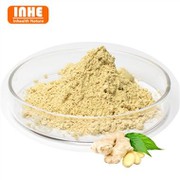
What is the Best Way to Get Tussilago Farfara Extract?
Feb 10, 2025
what is the best way to get tussilago farfara flower extract?
Solvent and ultrasonic extraction are the two most popular techniques for extracting Tussilago Farfara Extract. Below is a summary of each method:
Solvent Extraction
a. Principle: Solvent extraction involves using a solvent (such as methanol, ethyl acetate, or others) to dissolve the desired bioactive compounds from tussilago farfara.
b. Process: The tussilago farfara flowers are typically dried and ground before being mixed with a chosen solvent. The mixture is then heated or left to stand to allow the solvent to dissolve the bioactive compounds. Afterward, the solvent is filtered, leaving behind a concentrated extract.
c. Key Factors: Solvent selection, temperature, and extraction time can all influence the efficiency of extraction.

Ultrasonic Extraction
a. Principle: Ultrasonic extraction uses high-frequency sound waves to create cavitation bubbles in the solvent. These bubbles collapse violently, generating localized high temperatures and pressures that help break down plant cells, facilitating the release of bioactive compounds.
b. Process: The tussilago farfara flowers are mixed with a solvent and exposed to ultrasonic waves. The cavitation effect enhances the mass transfer of bioactive compounds into the solvent. After extraction, the solvent is separated, and the extract is concentrated.
c. Key Factors: The power, frequency of ultrasound, and extraction time can impact the yield and quality of the extract.

what are the advantages and disadvantages of these two extraction methods?
★ Solvent Extraction
A. Advantages
a. High Yield: Solvent extraction tends to extract a higher amount of bioactive compounds from plant material.
b. Widely Used: It's a well-established method with a long track record in the industry.
c. Versatility: Can work with a wide range of solvents (e.g., methanol, ethyl acetate, or ethanol) based on the target compounds.
d. Scalability: Suitable for large-scale industrial extraction processes.
B. Disadvantages
a. Solvent Residues: Some solvents may leave residues in the final extract, which could affect safety and quality.
b. Time-Consuming: The extraction process may take a long time, especially if the solvent needs to be filtered.
c. Energy-Intensive: Requires heat or long extraction times, which can lead to higher energy costs.
d. Environmental Impact: Some solvents are harmful to the environment and pose disposal challenges.
★ Ultrasonic Extraction
A. Advantages
a. Efficient and Fast: Ultrasonic waves help break down plant cell walls, leading to a quicker extraction process.
b. Minimal Solvent Use: Often requires less solvent, making it more eco-friendly compared to traditional methods.
c. Low Temperature: The method operates at lower temperatures, reducing the risk of degrading heat-sensitive compounds.
d. Higher Purity: The process can often result in a higher concentration of the desired compounds due to the precise control of parameters.
B. Disadvantages
a. Scale Limitations: While effective for small to medium-scale extraction, scaling up to industrial levels can be challenging.
b. Equipment Cost: Ultrasonic extraction requires specialized equipment, which may be more expensive than conventional methods.
c. Not Suitable for All Compounds: Some compounds may not be effectively extracted using ultrasound alone.
d. Power Consumption: The use of high-frequency sound waves requires a significant amount of electrical energy.
what are the extraction efficiencies of the two extraction methods?
Solvent Extraction Efficiency
The efficiency of this method depends on several factors:
a. Solvent Choice: The type of solvent used plays a significant role. Polar solvents like methanol are often used because they can extract both polar and non-polar compounds, but some compounds might require more specific solvents.
b. Solvent-to-Plant Ratio: The amount of solvent relative to the plant material is important. Too little solvent can lead to incomplete extraction, while too much may dilute the extract.
c. Temperature: Increasing temperature can enhance extraction by helping solvents dissolve compounds more effectively, but excessive heat can degrade sensitive bioactive compounds.
d. Time: Longer extraction times can increase the amount of active ingredients extracted, but they may also lead to the extraction of unwanted substances, such as chlorophyll, which can negatively impact the quality of the extract.
e. Particle Size: The finer the plant material, the more surface area is exposed to the solvent, improving extraction efficiency.
Ultrasonic Extraction Efficiency
The efficiency of this method is influenced by:
a. Ultrasonic Power: Higher power can enhance the cavitation process, leading to better extraction of compounds, but if the power is too high, it could degrade the compounds.
b. Frequency: Lower frequencies create larger bubbles, which can break the plant cell walls more effectively, while higher frequencies lead to smaller bubbles and finer extraction.
c. Temperature: The cavitation process can generate local heat, so optimizing the temperature is crucial. Too high a temperature could lead to thermal degradation of active compounds.
d. Solvent Choice and Concentration: The type and concentration of the solvent used can greatly influence the extraction efficiency. A solvent that matches the polarity of the compounds being extracted tends to be most effective.
e. Extraction Time: Like solvent extraction, the duration of ultrasonic treatment affects the yield. However, ultrasonic extraction usually takes much less time compared to traditional methods.
Comparison of Extraction Efficiencies
When comparing solvent extraction and ultrasonic extraction, ultrasonic extraction tends to offer higher efficiencies in a shorter time. This is due to the mechanical force applied during cavitation, which helps release bioactive compounds faster and more effectively than passive solvent extraction. However, solvent extraction may be preferred for certain compounds that are less susceptible to degradation through heat or mechanical forces.

what are the application prospects of the two extraction methods?
The application prospects of solvent extraction and ultrasonic extraction for tussilago farfara flower extract are promising in various industries due to their efficiency in extracting bioactive compounds. Below is their potential in different industries:
Solvent Extraction
1. Pharmaceutical Industry: Solvent extraction is widely used in the pharmaceutical industry to isolate active ingredients from plants like tussilago farfara. Herbal medications with anti-inflammatory, antimicrobial, or respiratory benefits can be made using the extract powder.
2. Cosmetics and Skincare: The bioactive compounds in tussilago farfara, such as antioxidants, can be used in skincare products. Solvent extraction provides a high yield of concentrated active compounds, and these can be added to serums, lotions, and creams that are intended to relieve irritated skin or lessen the appearance of aging.
3. Nutraceuticals: Given the plant's potential to support respiratory health, solvent extraction methods are beneficial in creating supplements or functional foods designed to support immune or lung function.
Ultrasonic Extraction
1. Food and Beverage Industry: Ultrasonic extraction, with its faster processing time and lower solvent use, is ideal for extracting delicate compounds from tussilago farfara flowers. It could be used to develop herbal teas, tinctures, or flavorings, where a more natural extraction process is preferred.
2. Pharmaceuticals and Natural Remedies: Ultrasonic extraction allows for more efficient extraction of bioactive components at lower temperatures, preserving heat-sensitive compounds. It has great potential to create more eco-friendly and sustainable natural remedies, such as respiratory health supplements or soothing syrups.
3. Environmental Sustainability: As ultrasonic extraction reduces the need for large amounts of organic solvents, it aligns well with growing consumer and industry interest in sustainable and eco-friendly production methods.
which one should I choose?
In my opinion, the choice of extraction method depends on the following factors: the active ingredients to be obtained and their features, extraction time and efficiency, solvent use and environmental factors, equipment cost, retention and stability of active ingredients, production scale, etc. For example, for most heat-sensitive active ingredients (flavonoids, volatile oils), ultrasonic extraction has advantages in efficiency and quality. If the target is heat-resistant polysaccharides or large-scale production, improved solvent extraction is more practical. A combined process can also be used. Firstly, ultrasonic crushing for 30 minutes, and then, dynamic countercurrent extraction at 50℃, the total yield can be increased by 50%, which is also an ideal choice.
If you have any other questions about our Tussilago Farfara Extract, please contact us at april@inhealthnature.com.