

What are the Top 7 Anti-inflammatory Ingredients in 2025?
Feb 10, 2026
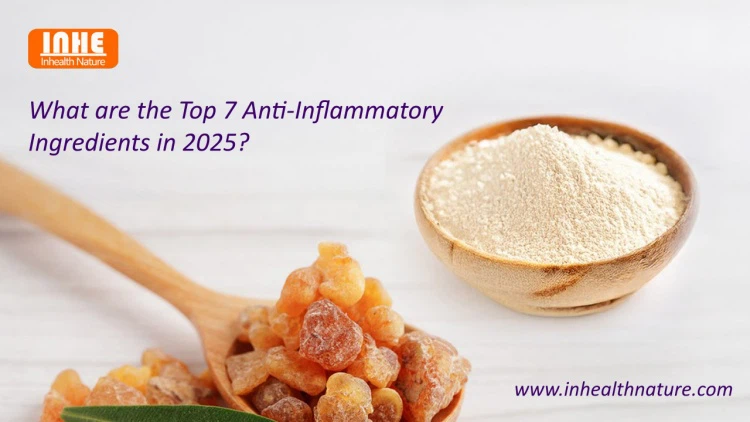
Chronic inflammation, increasingly recognized as a silent catalyst behind a spectrum of modern health concerns, from obesity and cardiovascular issues to joint discomfort, skin sensitivity, and gut imbalances, is intrinsically linked to our fast-paced lifestyles. Sustained stress, nutritional gaps, sedentary habits, and sleep deprivation conspire to keep the immune system in a state of persistent, low-grade alert. This reality has fueled an urgent demand for effective anti-inflammatory ingredients, driving the market beyond generic solutions. In 2025, the efficacy of anti-inflammatory ingredients has decisively shifted from broad-spectrum action to targeted, precision anti-inflammation. Among them, Boswellia Serrata Extract Powder, curcumin, green tea extract, resveratrol, and quercetin are representative anti-inflammatory components of this transformation. Now, please follow along as we compare information on the mechanisms of action, core advantages, application scenarios, and other aspects of these anti-inflammatory ingredients.
What are the top 7 anti-inflammatory ingredients?
Comparative Analysis of Top Anti-Inflammatory Ingredients
|
Ingredient (Key Compound) |
Primary Mechanisms of Action |
Core Advantages / Strengths |
Optimal Bioavailability & Product Forms |
Primary Application Scenarios |
|
Curcumin |
Potently inhibits NF-κB, the master inflammation switch; blocks pro-inflammatory enzymes like COX-2 and cytokines. |
One of the most well-researched natural anti-inflammatories, shown to be as effective as some pharmaceuticals for arthritis. |
Very low native bioavailability. Requires enhanced formulations: with piperine (black pepper extract, increases absorption by 2000%) or in liposomal/nanoemulsion delivery systems. Optimal in supplements, "golden milk" with fat and pepper. |
Joint health & arthritis, post-exercise muscle recovery, and systemic inflammation management. |
|
Quercetin |
Modulates NF-κB and MAPK pathways; reduces pro-inflammatory cytokines (TNF-α, IL-6); enhances the activity of antioxidant enzymes like catalase via the Nrf2 pathway. |
A broad-spectrum flavonoid with strong antioxidant and anti-inflammatory synergy; found in many common foods (onions, apples). |
Absorption varies. Often combined with vitamin C or bromelain to improve stability and uptake. Available in supplements and obtained from dietary sources like capers, onions, and berries. |
Allergy relief (mast cell stabilization), endurance sports (may reduce respiratory inflammation), and general antioxidant support. |
|
Resveratrol |
Activates SIRT1 and Nrf2 pathways; inhibits NF-κB; reduces expression of COX-2 and inflammatory cytokines. |
Notable for cardioprotective and potential anti-aging effects; promotes cellular resilience and antioxidant defenses. |
Low bioavailability and rapid metabolism. Advanced delivery via micelles, liposomes, or in combination with piperine is key for supplements. Also found in red wine, grapes, and berries. |
Cardiovascular health support, neuroprotection, and an adjunct in metabolic syndrome management. |
|
Boswellia serrata (Frankincense) |
Inhibits the 5-LOX (5-lipoxygenase) enzyme, reducing production of pro-inflammatory leukotrienes. |
Offers a different pathway inhibition than many others (targets LOX vs. COX); particularly supportive for joint and connective tissue health. |
Standardized extracts (e.g., AKBA). Often formulated with curcumin for a synergistic effect. Best taken as a standardized extract supplement with meals containing fats. |
Osteoarthritis, rheumatoid arthritis, and inflammatory bowel diseases (IBD). |
|
Green Tea Extract (EGCG) |
Potent inhibitor of NF-κB and MAPK; reduces TNF-α and IL-6; powerful direct antioxidant that also upregulates the body's own antioxidant enzymes like catalase. |
Provides dual anti-inflammatory and antioxidant action; linked to metabolic health, skin health, joint pain relief, and cardiovascular health in research. |
EGCG is sensitive to heat and pH. Decaffeinated extracts and phytosome formulations improve potency and tolerability. Consuming this with lemon juice (vitamin C) can enhance absorption. |
Metabolic syndrome support, brain health, general wellness and longevity, and skincare (topically for inflammation). |
|
Centella Asiatica (Gotu Kola) |
Modulates NF-κB and MAPK pathways; enhances collagen synthesis and wound healing; exhibits antioxidant activity. |
Renowned for tissue repair and wound healing properties, and supports skin health. |
Used in both oral supplements and topical applications (creams, serums). Bioavailability for internal use is improved with standardized triterpene extracts. |
Skin health (scar reduction, wound healing), anxiety and cognitive support in traditional medicine. |
|
Licorice Extract (Glycyrrhizin) |
Inhibits 11β-HSD2 enzyme, potentiating cortisol's anti-inflammatory effects at the site; also has antioxidant and antimicrobial properties. |
Acts similarly to a natural corticosteroid but is milder; soothes mucous membranes; used for both GI and respiratory comfort. |
Key to avoiding glycyrrhetinic acid buildup. Best from DGL (Deglycyrrhizinated Licorice) extracts for long-term GI use to avoid side effects. Standard extracts used in throat lozenges and skincare. |
Gastrointestinal inflammation (heartburn, ulcers via DGL), sore throat/respiratory soothing, and topical anti-inflammatory in skincare. |
How to Choose and Use These Ingredients
a. Target Your Goal: For joint and muscle inflammation, curcumin and Boswellia are top choices. For cardiovascular or metabolic support, look to resveratrol and EGCG. For skin repair and venous health, Centella Asiatica is prominent.
b. Prioritize Bioavailability: Never underestimate formulation. An enhanced curcumin supplement with piperine or phospholipids will be far more effective than plain turmeric powder. Check labels for terms like "with black pepper extract," "phytosome," or "liposomal".
c. Consider Synergy: Many effective supplements combine ingredients. A curcumin and Boswellia blend is common for joints. Quercetin is often paired with vitamin C and bromelain for enhanced effect.
When these 7 anti-inflammatory ingredients are used in combination, what are the synergistic and inhibitory combinations?
Key Synergistic Combinations
A. Curcumin + Resveratrol + Piperine
a. Mechanism of Action: Curcumin and resveratrol exhibit multi-target synergy. Both potently inhibit the master inflammatory regulator NF-κB. Still, they also activate complementary cellular defense pathways; curcumin upregulates the Nrf2 antioxidant pathway, while resveratrol activates SIRT1, a gene linked to longevity and cellular repair. Piperine provides a critical pharmacokinetic enhancement by inhibiting metabolic enzymes in the liver and intestine, dramatically slowing the rapid breakdown and elimination of both compounds, thereby boosting their bioavailability and duration of action.
b. Advantages: This combination results in an amplified and sustained systemic anti-inflammatory, antioxidant, and potential neuroprotective effect. The inclusion of piperine solves the major bioavailability hurdle for curcumin and resveratrol.
c. Application Scenarios: Ideal for managing chronic, low-grade systemic inflammation associated with aging, supporting metabolic health, and providing cognitive and cardiovascular protection.
B. Quercetin + Vitamin C
a. Mechanism of Action: This partnership is a classic example of antioxidant recycling. Quercetin acts to chemically regenerate oxidized Vitamin C (ascorbic acid) back to its active, free-radical-fighting form. In turn, Vitamin C helps preserve quercetin's stability and bioavailability. Furthermore, both nutrients synergistically stabilize mast cells, reducing the release of histamine and other inflammatory mediators.
b. Advantages: Creates a potent, self-reinforcing antioxidant network that enhances overall immune modulation and provides superior protection against oxidative stress compared to either ingredient alone.
c. Application Scenarios: Highly effective for seasonal allergy relief, supporting immune function during physical or environmental stress, and strengthening blood vessel integrity.
C. Boswellia Serrata Extract + Curcumin
a. Mechanism of Action: This is a premier example of complementary pathway inhibition in natural medicine. Boswellic acids from Boswellia specifically inhibit the 5-lipoxygenase (5-LOX) pathway, which produces pro-inflammatory leukotrienes. Curcumin strongly inhibits the cyclooxygenase-2 (COX-2) pathway and NF-κB. By blocking these two major enzymatic "arms" of the inflammatory cascade simultaneously, they disrupt inflammation more comprehensively.
b. Advantages: Delivers a broad-spectrum, multi-targeted approach to reducing inflammation and pain, particularly in connective tissues. Often more effective for joint issues than single ingredients.
c. Application Scenarios: The cornerstone combination for osteoarthritis, rheumatoid arthritis, and general joint mobility support. Also used in protocols for inflammatory bowel diseases.
D. Centella Asiatica + Licorice Extract + Green Tea Extract (EGCG)
a. Mechanism of Action: This trio works in a coordinated "soothe, protect, and rebuild" sequence. Licorice (glycyrrhizin) provides cortisol-like soothing to calm irritation. EGCG offers potent antioxidant protection and further anti-inflammatory support. Centella asiatica then stimulates fibroblast activity and collagen synthesis to actively repair and strengthen tissues.
b. Advantages: Offers a comprehensive skin and tissue repair profile that addresses immediate redness/irritation, protects from damage, and promotes structural healing with good tolerability.
c. Application Scenarios: Primarily used in topical cosmeceuticals for sensitive skin, redness, acne, wound healing, and scar management.
Key Inhibitory Combinations & Risk Groups
A. Metabolic Competition Group (Curcumin + Resveratrol + Quercetin)
a. Risk Point: All three compounds are metabolized by the same set of Phase II liver enzymes (e.g., UGTs, SULTs). When taken together in high supplemental doses, they can competitively saturate these pathways.
b. Consequences: This can lead to an unpredictable alteration in their metabolism, potentially causing unexpectedly high or prolonged blood levels of one or more compounds, which may increase the risk of side effects.
c. Recommendations: Practice staggered dosing by taking these supplements at different times of the day (e.g., morning and evening). Prioritizing dietary sources over high-dose isolates naturally mitigates this risk.
B. Anticoagulant Risk Group (Curcumin + Resveratrol + Quercetin + Green Tea Extract)
a. Risk Point: Each of these ingredients possesses mild antiplatelet or anticoagulant properties. They can inhibit platelet aggregation or affect vitamin K activity. The risk is additive or synergistic when combined, and becomes significantly amplified if taken with prescription blood thinners (e.g., warfarin, clopidogrel, aspirin).
b. Consequences: The primary danger is a markedly increased risk of bleeding and bruising, and potential interference with surgical procedures.
c. Recommendations: Individuals on anticoagulant medication must avoid this combination without strict medical supervision. Anyone planning surgery should disclose all supplement use and discontinue these ingredients at least 1-2 weeks prior, as advised by their surgeon.
C. Gastric Mucosal Irritation Group (Curcumin + Green Tea Extract)
a. Risk Point: Both curcumin and green tea catechins (like EGCG) can stimulate gastric acid secretion. In high doses or on an empty stomach, they may act as gastric irritants.
b. Consequences: Combined use, especially in sensitive individuals, can provoke gastrointestinal discomfort, acid reflux, or exacerbate conditions like gastritis or ulcers.
c. Recommendations: Always consume these supplements with a meal to buffer stomach acid. Those with sensitive stomachs should seek gentler formulations, such as enteric-coated capsules or phospholipid-complexed curcumin (e.g., Meriva), which are designed to bypass the stomach.

How stable are these 7 anti-inflammatory ingredients in different dosage forms?
The stability of these seven anti-inflammatory ingredients in various product forms is highly variable. The following contents detail the specific challenges for each ingredient and the key technologies developed to overcome them.
Stability Profiles and Key Destabilizing Factors
A. Curcumin: It has poor water solubility and rapid degradation in the gastrointestinal tract. Light, alkaline pH, and metabolic enzymes are primary destabilizers. Its very low solubility in water (acidic and neutral pH) is a major limitation for bioavailability and formulation.
B. Quercetin: It exhibits low solubility and stability in its standard form, which limits its absorption. Stability is affected by processing, heat, pH, and metal ions. As a flavonoid, it is susceptible to oxidative degradation.
C. Resveratrol: Resveratrol has poor stability in aqueous solutions, degrading within weeks on its own. It is also photosensitive, meaning it breaks down under light exposure. Light (UV radiation), oxidation, and isomerization from the active trans-form to the less active cis-form are significant risks.
D. Boswellia Serrata Extract: The bioactive boswellic acids have poor water solubility and consequently low oral bioavailability. The main challenge is overcoming the hydrophobic nature of the active compounds to enable effective absorption in the body.
E. Green Tea Extract (EGCG): EGCG is highly unstable, particularly in liquid and neutral/alkaline conditions, leading to very low bioavailability. pH, temperature, oxygen (oxidation), light, and metal ions can all rapidly degrade EGCG. It undergoes epimerization (forming GCG) and oxidative degradation into quinones.
F. Centella Asiatica Extract: The triterpenoid actives (asiaticoside, madecassoside, etc.) are generally more stable than curcumin or EGCG. Stability is a greater concern in liquid formulations (e.g., serums, beverages) where hydrolysis and microbial growth can occur. Hydrolysis in aqueous solutions, microbial contamination, and exposure to extreme pH in liquid dosage forms.
G. Licorice Extract: Licorice and its key compound, glycyrrhizin, are relatively stable compared to other ingredients. This stability contributes to its historical and widespread use. While more robust, degradation can still occur under prolonged exposure to high heat, strong acids or bases, and through enzymatic activity.
Key Stabilization Technologies and Formulation Strategies
To address these instability challenges, advanced formulation technologies are essential. These strategies often focus on enhancing solubility, protecting the active compound from degradation, and improving delivery to the site of absorption or action.
A. Advanced Delivery Systems: A primary strategy involves encapsulating the ingredient within a protective carrier.
a. Micellar/Nanoemulsions: Creating tiny droplets can dramatically improve solubility. For quercetin, this technology led to a 7 to 15-fold increase in absorption.
b. Liposomes and Phospholipid Complexes: Encapsulation in lipid bilayers protects ingredients from degradation and enhances uptake.
c. Cyclodextrin Inclusion: Molecules like γ-cyclodextrin form host-guest complexes with actives like curcumin, shielding them and improving water solubility.
d. Protein Complexation: Forming complexes with proteins like Bovine Serum Albumin (BSA) or soy protein can shield sensitive molecules like resveratrol and EGCG from light and oxidation, significantly improving stability in solutions.
B. Matrix Adsorption and Hydrogel Scaffolds: This involves dispersing the active compound onto or within a solid or gel matrix.
a. Adsorption onto microcrystalline cellulose, silica, or galactomannan fiber can improve handling and stability.
b. Innovative hydrogel systems like fenugreek galactomannan trap hydrophobic actives (e.g., boswellia and curcumin in C-BSE) to create water-soluble powders that rehydrate in the gut for enhanced absorption.
C. Optimization of the Formulation Environment: For ingredients like EGCG and resveratrol that are highly sensitive to their surroundings, carefully controlling the product's internal environment is crucial.
a. pH Control: Formulating at an acidic pH (3.5-4.5) is critical for stabilizing EGCG in liquid solutions.
b. Use of Stabilizing Excipients: Adding antioxidants (e.g., ascorbic acid), metal chelators (e.g., citric acid), and oxygen scavengers can slow degradation. For resveratrol, complexation with a modified glucan (CM-glucan) extended stability in water to 12 months.
c. Sugar-Based Stabilization: Sucrose and trehalose can form protective complexes with EGCG, preventing oxidative degradation and enabling stable liquid formulations.
D. Physical and Barrier Protections: These are essential for all product forms.
a. Packaging: Using opaque, light-resistant (amber glass/bottles) and airtight containers with oxygen barriers is mandatory for photosensitive and oxidation-prone ingredients.
b. Storage Conditions: Clear labeling for cool, dry storage and refrigeration for liquid products is necessary to maintain potency.
c. Dosage Form Selection: For extremely unstable compounds, dry powder capsules or tablets are inherently more stable than pre-made liquid beverages. Topical products (creams, serums) for ingredients like Centella require robust preservative systems.
At Inhealth Nature, we specialize in providing high-quality anti-inflammatory ingredients, such as Boswellia Serrata Extract Powder, to the nutraceutical and cosmeceutical industries. Whether you are developing a new joint support formula, an advanced soothing skincare line, or a potent dietary supplement, our expertise in premium ingredient sourcing, formulation science, and delivery technology can help you lead the market. Ready to formulate the future? Let's collaborate to create products that stand out. Contact Shaw at shaw@inhealthnature.com to explore how we can integrate these powerful anti-inflammatory actives into your next breakthrough.


