

Is Lion’s Mane Mushroom Powder Good for Stomach Lining?
Jul 17, 2025
why should we pay attention to the health of stomach lining?
The stomach lining is your gut's first line of defense. It acts like a shield, protecting delicate stomach tissue from the digestive acids while helping your body absorb essential nutrients. But when this barrier weakens, trouble starts. Mild irritation can become persistent burning pain, chronic inflammation, or ulcers. In severe cases, damage to the lining may trigger dangerous bleeding or long-term digestive issues.
Common Causes of Stomach Lining Damage
A. Poor Dietary Habits
a. Excessive consumption of spicy, fried, or highly acidic foods can erode the stomach lining barrier.
b. Processed foods with artificial additives may trigger inflammation.
c. Irregular eating patterns (skipping meals, overeating) disrupt stomach acid balance.
B. Chronic Stress & Anxiety
a. Stress activates the "fight or flight" response, increasing stomach acid production, which can wear down the lining over time.
b. Long-term stress weakens the immune system, making the stomach more vulnerable to infections like H. pylori.
C. Medications (NSAIDs & Antibiotics)
a. Nonsteroidal anti-inflammatory drugs (NSAIDs) such as ibuprofen and aspirin inhibit protective prostaglandins, leaving the stomach lining exposed to acid damage.
b. Prolonged antibiotic use can disrupt gut microbiota, impairing natural mucosal repair.
D. Bacterial Infections (H. pylori)
a. Helicobacter pylori is a common bacterium that burrows into the stomach lining, causing inflammation and ulcers if untreated.
E. Lifestyle Factors
a. Excessive alcohol consumption irritates and thins the stomach lining.
b. Smoking reduces blood flow to the stomach lining, slowing healing.
c. High caffeine intake (coffee, energy drinks) stimulates excess acid secretion.
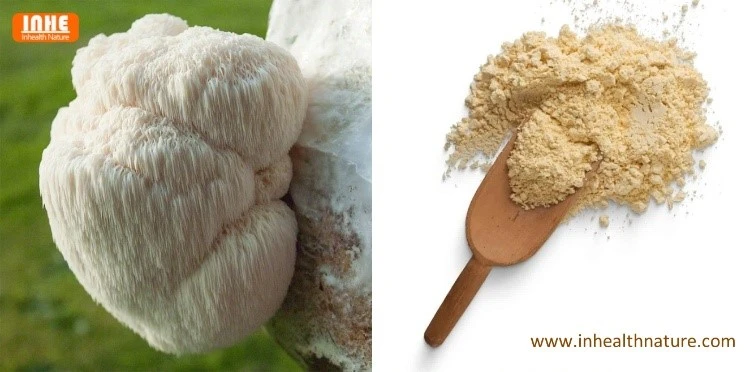
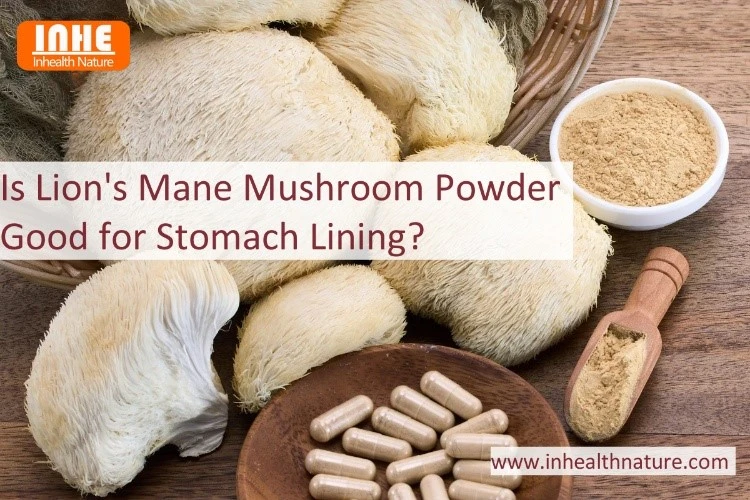
When repairing the stomach lining, plant extracts are often a safer and more sustainable choice than chemical drugs. Synthetic medications may provide quick relief but can have side effects or disrupt natural gut balance. In contrast, plant-based remedies support healing gently while nourishing the stomach lining. For example, Lion's Mane Mushroom Extract Powder contains bioactive compounds like beta-glucans and hericenones, which stimulate tissue repair and reduce inflammation naturally. Its antioxidant properties also strengthen the stomach lining barrier, making it an effective, holistic solution for long-term stomach health.
what are the herbal extracts that can repair stomach lining?
Below are five of the most effective natural remedies, their key ingredients, repair mechanisms, and applicable symptoms.
|
No. |
Item |
Active Ingredients |
Repair Mechanisms |
Applicable Symptoms |
|
1 |
Lion's Mane Mushroom Extract |
1. Hericenones & Erinacines (stimulate Nerve Growth Factor-NGF) |
1. Stimulates Tissue Regeneration: NGF-promoting compounds accelerate the healing of eroded stomach lining and gut nerve cells. |
✔ Gastritis |
|
2 |
Licorice Root Extract (DGL: Deglycyrrhizinated Licorice) |
1. Glycyrrhizin (anti-inflammatory) |
1. Coats & Soothes: Forms a protective film over ulcers, shielding them from stomach acid. |
✔ Peptic ulcers |
|
3 |
Turmeric Extract (Curcumin) |
1. Curcuminoids (potent anti-inflammatory) |
1. Accelerates Ulcer Healing: Increases cell proliferation and collagen synthesis. |
✔ Inflammatory gastritis |
|
4 |
Aloe Vera Extract |
1. Acemannan (immune-modulating polysaccharide) |
1. Cooling & Healing: Soothes irritated mucosa and reduces burning sensations. |
✔ Acid reflux (GERD) |
|
5 |
Bletilla Striata Extract |
1. Bletilla Glucomannan (mucilage-forming polysaccharide) |
1. Forms a Protective Gel: Adheres to ulcers, shielding them from acid and enzymes. |
✔ Bleeding ulcers |
how are the key indicators of the above herbal extracts compared?
Onset Speed (Symptom Relief & Initial Healing)
|
Item |
Speed of Action |
Key Notes |
|
Aloe Vera Extract |
Fast (1-3 days) |
Soothes burning and irritation quickly due to cooling mucilage. Best for acute acid reflux. |
|
Licorice Root Extract (DGL) |
Moderate-Fast (3-7 days) |
Forms a protective coating over ulcers, providing rapid pain relief. |
|
Turmeric Extract (Curcumin) |
Moderate (1-2 weeks) |
Reduces inflammation noticeably within days but requires time for deeper healing. |
|
Bletilla Striata Extract |
Moderate (1-2 weeks) |
Fast-acting for bleeding ulcers due to clotting effects, but slower for full mucosal repair. |
|
Lion's Mane Mushroom Extract |
Slow-Moderate (2-4 weeks) |
Works gradually by stimulating tissue regeneration rather than masking symptoms. |
Remarks:
a. Best for Immediate Relief: Aloe Vera > DGL Licorice > Turmeric
b. Best for Gradual Healing: Lion's Mane > Bletilla > Turmeric
Long-Term Repair (Mucosal Regeneration & Prevention)
|
Item |
Long-Term Efficacy |
Key Notes |
|
Lion's Mane Mushroom Extract |
Excellent |
Stimulates nerve and tissue repair, strengthens the mucosal barrier long-term. |
|
Licorice Root Extract (DGL) |
Very Good |
Enhances mucus production and prevents ulcer recurrence. |
|
Turmeric Extract (Curcumin) |
Good |
Reduces chronic inflammation, but requires consistent use. |
|
Bletilla Striata Extract |
Good |
Effective for ulcer scarring prevention, but less studied for general gastritis. |
|
Aloe Vera Extract |
Moderate |
Great for symptom relief, but lacks deep regenerative effects. |
Remarks:
a. Best for Lasting Healing: Lion's Mane > DGL Licorice > Turmeric
Safety (Side Effects & Contraindications)
|
Item |
Safety Profile |
Potential Risks |
|
Aloe Vera Extract |
Very Safe |
Rare allergies; avoid whole-leaf extract (laxative effect). |
|
Licorice Root Extract (DGL) |
Very Safe |
Glycyrrhizin-free (DGL) avoids blood pressure issues. |
|
Turmeric Extract (Curcumin) |
Safe (in moderation) |
High doses may cause acid reflux; caution with blood thinners. |
|
Bletilla Striata Extract |
Safe (Traditional Use) |
Limited modern studies; best used short-term for ulcers. |
|
Lion's Mane Mushroom Extract |
Very Safe |
No known toxicity; rare mild digestive discomfort. |
Remarks:
a. Safest Options: Aloe Vera = Lion's Mane > DGL Licorice
what are the compounding formulations for repairing stomach lining?
To maximize healing, certain plant extracts work synergistically when combined. Below are clinically supported formulations for different types of stomach lining damage, along with their mechanisms and ideal usages.
General Gastritis & Mild Erosion
A. Formulation:
a. Lion's Mane Mushroom Extract (300-500 mg): Stimulates mucosal regeneration
b. Deglycyrrhizinated Licorice (DGL) (400-500 mg): Coats and soothes irritated tissue
c. Aloe Vera Gel Extract (100-200 mg): Provides immediate cooling relief
B. Mechanism:
✔ Lion's Mane repairs nerve and epithelial cells.
✔ DGL enhances mucus secretion for acid protection.
✔ Aloe Vera reduces inflammation and burning.
C. Dosage:
a. Take 30 minutes before meals, 2x daily for 4–8 weeks.
NSAID or Alcohol-Induced Ulcers
A. Formulation:
a. Turmeric (Curcumin 95%) (250-500 mg): Reduces inflammation and oxidative stress
b. Bletilla Striata Extract (200-300 mg): Forms a protective gel over ulcers
c. Zinc Carnosine (50-75 mg): Accelerates ulcer healing (synergistic with botanicals)
B. Mechanism:
✔ Turmeric blocks inflammatory cytokines (COX-2 inhibition).
✔ Bletilla prevents bleeding and scarring.
✔ Zinc Carnosine boosts cell migration for faster repair.
C. Dosage:
a. Take with meals, 2x daily for 6–12 weeks.
Stress-Related or H. pylori Gastritis
A. Formulation:
a. Lion's Mane + DGL (Combo as above)
b. Mastic Gum Extract (500-1,000 mg): Antibacterial against H. pylori
c. Marshmallow Root Extract (200-400 mg): Demulcent for additional coating
B. Mechanism:
✔ Lion's Mane counteracts stress-induced nerve damage.
✔ Mastic Gum eradicates H. pylori without disrupting gut flora.
✔ Marshmallow Root soothes deep tissue irritation.
C. Dosage:
a. On an empty stomach (DGL + Mastic Gum first), then Lion's Mane with food-2x daily for 8+ weeks.
Severe Acid Reflux (GERD) & Esophageal Erosion
A. Formulation:
a. Aloe Vera + DGL (Primary soothing agents)
b. Slippery Elm Bark (400-600 mg): Forms a viscous barrier against acid
c. Melatonin (Low Dose, 1-3 mg): Strengthens lower esophageal sphincter (LES) tone
B. Mechanism:
✔ Aloe + Slippery Elm provides instant relief for throat and stomach burning.
✔ DGL prevents further acid damage.
✔ Melatonin reduces nighttime reflux episodes.
C. Dosage:
a. Before bed (melatonin) + 20 mins before meals (DGL/Aloe)-3x daily for 4-12 weeks.\
Chronic Atrophic Gastritis (Thinned Stomach Lining)
A. Formulation:
a. Lion's Mane + Bletilla Striata (Core regenerators)
b. Sea Buckthorn Oil (1,000 mg): Rich in palmitoleic acid for mucosal repair
c. Vitamin B12 (Methylcobalamin): Corrects deficiency common in atrophic gastritis
B. Mechanism:
✔ Lion's Mane + Bletilla rebuilds atrophied tissue.
✔ Sea Buckthorn Oil restores healthy mucosal lipids.
✔ B12 supports nerve and epithelial cell function.
C. Dosage:
a. With meals, 2x daily-Long-term (3-6+ months).
Final Recommendations
a. For most cases, start with Lion's Mane + DGL + Aloe as a foundational trio.
b. Add specialty agents (Mastic Gum, Bletilla, Zinc Carnosine) based on specific damage triggers.
c. Always pair with dietary changes (avoid alcohol, NSAIDs, spicy foods during healing).
in daily life, what living habits can protect stomach lining?
While supplements and medications can help repair damage, prevention through lifestyle habits is far more effective. Below are practical, science-backed habits to maintain a strong and healthy stomach lining.
Eat a Stomach-Friendly Diet
A. Do's:
✔ Fiber-rich foods (oatmeal, bananas, sweet potatoes): Soothe irritation and feed good gut bacteria.
✔ Lean proteins (fish, chicken, tofu): Easier to digest than fatty meats.
✔ Healthy fats (olive oil, avocado, nuts): Reduce inflammation.
✔ Fermented foods (yogurt, kefir, sauerkraut): Support gut microbiome balance.
B. Avoid:
✖ Spicy, fried, or acidic foods: Trigger excess acid and irritation.
✖ Processed sugars & refined carbs: Promote harmful bacteria growth.
✖ Excessive caffeine & carbonated drinks: Weaken the lower esophageal sphincter (LES).
Manage Stress Effectively
A. Chronic stress increases stomach acid production and weakens mucosal defense. Try:
✔ Deep breathing exercises (5-minute sessions, 2x daily).
✔ Regular walks in nature: Lower cortisol levels.
✔ Mindfulness or meditation: Reduces gut-brain axis inflammation.
B. Avoid:
✖ Eating when stressed or rushed: Impairs digestion.
Optimize Meal Timing & Portions
A. Do's
✔ Eat smaller, frequent meals (5-6x/day): Prevents excessive acid buildup.
✔ Finish dinner 3+ hours before bed: Reduces nighttime reflux.
✔ Chew food thoroughly: Eases the digestive burden on the stomach.
B. Avoid:
✖ Overeating: Stretches the stomach and increases acid splash.
✖ Late-night snacking: Triggers acid production during sleep.
Stay Hydrated (The Right Way)
A. Do's
✔ Drink warm water or herbal teas (chamomile, ginger): Soothe the stomach.
✔ Sip water between meals: Avoid diluting digestive enzymes during meals.
B. Avoid:
✖ Excess cold or iced drinks: Shock the digestive system.
✖ Alcohol on an empty stomach: Directly erodes the mucosal barrier.
Quit Smoking & Limit Alcohol
a. Smoking reduces blood flow to the stomach lining, slowing healing.
b. Alcohol (especially spirits) strips away protective mucus.
c. If drinking, have red wine in moderation (rich in polyphenols) with food.
Exercise Moderately
✔ Gentle movement (yoga, walking): Enhances digestion and blood flow to the gut.
✔ Avoid intense workouts right after eating: This can trigger reflux.
Interested in using Lion's Mane Mushroom Extract Powder for stomach lining repair? We provide premium-grade, lab-tested extracts with full technical support. Contact us today at shaw@inhealthnature.com for quotes, product specs, and product needs.


