Is Cyanotis Root Extract a Promising Solution for Fibrosis?
Feb 28, 2024
what is Cyanotis root extract?
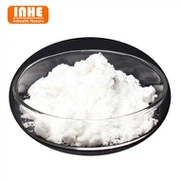
Cyanotis Arachnoidea Extract Powder, with its potent β-ecdysterone content and anti-fibrotic properties, holds promise for addressing fibrotic diseases and contributing to the advancement of pharmaceutical products. Cyanotis root extract is rich in β-ecdysterone, a naturally occurring phytochemical that belongs to the group of ecdysteroids. β-ecdysterone has been studied for its various biological activities, including its potential to combat fibrosis. Fibrosis is a condition characterized by the formation of excess fibrous connective tissue in an organ or tissue, often leading to impaired function. Studies have suggested that β-ecdysterone may help prevent or reduce fibrosis by modulating the activity of certain cellular signaling pathways, thereby exerting anti-fibrotic effects. The potential anti-fibrotic properties of β-ecdysterone make cyanotis root extract a promising candidate for inclusion in pharmaceutical products aimed at treating fibrotic conditions. Fibrosis can affect multiple organs, such as the liver, lungs, and heart, and there is a growing need for effective treatments to address this medical challenge. By incorporating cyanotis root extract into pharmaceutical formulations, it may be possible to develop novel therapies for fibrotic diseases, offering new hope for patients suffering from these conditions. The increasing awareness of natural remedies and the growing interest in functional ingredients have led to a surge in demand for botanical extracts with potential health benefits. Cyanotis root extract, with its high content of β-ecdysterone and associated anti-fibrotic properties, is poised to capture significant attention in the market. As healthcare professionals, researchers, and consumers seek innovative solutions for fibrotic conditions, the market for cyanotis arachnoide root extract is expected to expand, offering opportunities for product development and commercialization.

what are the causes and effects of fibrosis in body organs and tissues?
Fibrosis is a pathological process that involves the formation of excess fibrous connective tissue in various organs and tissues of the body. This condition can result from a range of different factors, including chronic inflammation, infection, injury, genetic predisposition, and exposure to certain environmental toxins. In this part, let's explore the causes of fibrosis and the effects it can have on human health.
★ Causes of Fibrosis
Fibrosis can occur in many different body tissues and organs, including the liver, lungs, heart, kidneys, and skin. The causes of fibrosis are varied and complex, but some of the most common contributors to this condition include:
a. Chronic Inflammation: Prolonged inflammation can lead to the activation of fibroblasts, which are cells that produce collagen, a primary component of fibrous connective tissue. Over time, excessive collagen production can cause the accumulation of scar tissue, leading to fibrosis.
b. Infection: Certain viral infections, such as hepatitis C and the human immunodeficiency virus (HIV), can cause fibrosis in the liver and other organs. Bacterial and fungal infections can also contribute to fibrosis by inducing chronic inflammation.
c. Injury: Repeated injury or trauma to a particular organ or tissue can result in the activation of fibroblasts and the deposition of excess collagen, leading to fibrosis.
d. Genetic Predisposition: Some individuals may be genetically susceptible to developing fibrosis due to inherited mutations that affect the regulation of collagen synthesis.
e. Environmental Toxins: Exposure to certain chemicals, such as asbestos and silica, can cause fibrosis in the lungs and other organs.
★ Effects of Fibrosis on Human Health
The formation of excess fibrous connective tissue in body tissues and organs can have a profound impact on human health. Fibrosis can lead to a range of symptoms and complications, depending on the location and severity of the condition. Some of the most common effects of fibrosis on human health include:
a. Impaired Organ Function: Fibrosis can interfere with the normal function of affected organs, potentially leading to organ failure and other serious complications.
b. Reduced Quality of Life: Chronic fibrotic conditions can cause significant pain, discomfort, and disability, negatively affecting an individual's quality of life.
c. Increased Risk of Complications: Fibrosis can increase the risk of developing complications such as infections, bleeding, and other medical issues.
d. Limited Treatment Options: In many cases, fibrosis is a chronic condition that can be difficult to treat. While some medications and interventions may help alleviate symptoms, there are currently no cures for most forms of fibrosis.
e. Reduced Lifespan: In severe cases, fibrosis can significantly reduce an individual's lifespan. For example, pulmonary fibrosis, a condition that affects the lungs, has a five-year survival rate of around 50%.
is cyanotis root extract a promising solution for fibrosis?
Cyanotis arachnoidea root extract, enriched with β-ecdysterone, offers a promising approach for combating fibrosis through its multifaceted anti-fibrotic mechanism of action. By targeting key cellular processes and signaling pathways involved in fibrogenesis, cyanotis root extract holds potential for the development of novel therapeutic interventions aimed at mitigating fibrotic diseases and improving patient outcomes.
★ Mechanism of Action
a. Inhibition of Fibroblast Activation: Fibroblasts are the primary cells responsible for producing collagen, the major component of fibrous tissue. β-ecdysterone has been found to inhibit the activation and proliferation of fibroblasts, thereby reducing the excessive production of collagen and preventing the formation of fibrotic tissue.
b. Regulation of Transforming Growth Factor-β (TGF-β) Signaling: The TGF-β signaling pathway plays a central role in the development of fibrosis. β-ecdysterone has been shown to modulate TGF-β signaling, effectively suppressing the cascade of events that lead to fibrotic changes in tissues and organs.
c. Anti-Inflammatory Effects: Chronic inflammation is closely associated with the progression of fibrosis. β-ecdysterone exhibits anti-inflammatory properties, which can help attenuate the inflammatory response and reduce the activation of fibroblasts, ultimately mitigating the fibrotic process.
d. Promotion of Extracellular Matrix Remodeling: β-ecdysterone has been reported to promote the remodeling of the extracellular matrix, the complex network of proteins and other molecules that provides structural support to cells and tissues. By facilitating the breakdown of excessive collagen and other matrix components, β-ecdysterone contributes to the resolution of fibrosis.
★ Pathways Involved
a. TGF-β/Smad Signaling Pathway: TGF-β is a central mediator of fibrosis, and its activation leads to the stimulation of fibroblast activity and collagen production. β-ecdysterone interferes with TGF-β signaling, particularly the Smad-dependent pathway, thereby inhibiting the pro-fibrotic effects of TGF-β.
b. NF-κB Signaling Pathway: Nuclear factor-kappa B (NF-κB) is a key regulator of inflammation and immune responses. β-ecdysterone has been shown to inhibit NF-κB activation, leading to reduced production of pro-inflammatory mediators and attenuating the inflammatory milieu that promotes fibrosis.
c. PI3K/Akt/mTOR Pathway: The phosphoinositide 3-kinase (PI3K)/protein kinase B (Akt)/mammalian target of the rapamycin (mTOR) pathway is involved in cell growth, proliferation, and fibrotic processes. β-ecdysterone has demonstrated the ability to modulate this pathway, exerting anti-fibrotic effects by regulating cell signaling and metabolism.

why combine cyanotis root extract and tannic acid?
The synergistic combination of cyanotis arachnoidea root extract and tannic acid presents a compelling strategy for enhancing the anti-fibrotic effects of both compounds. By leveraging their complementary mechanisms of action, antioxidant properties, modulation of signaling pathways, and promotion of extracellular matrix remodeling, the co-administration of cyanotis arachnoidea root extract and tannic acid holds great promise for effectively combating fibrosis and improving patient outcomes.
★ Complementary Mechanisms of Action
Cyanotis root extract and tannic acid exhibit distinct but complementary mechanisms of action in combating fibrosis. While cyanotis arachnoidea root extract primarily targets fibroblast activation, collagen production, and extracellular matrix remodeling, tannic acid focuses on reducing oxidative stress, inflammation, and fibrotic tissue damage. By combining these two compounds, a more comprehensive approach to addressing the multiple facets of fibrosis is achieved, leading to enhanced therapeutic outcomes.
★ Enhanced Antioxidant and Anti-Inflammatory Effects
Tannic acid is a potent antioxidant that can scavenge free radicals and reduce oxidative stress, a key driver of fibrotic processes. By neutralizing reactive oxygen species and protecting cells from oxidative damage, tannic acid complements the antioxidant properties of cyanotis arachnoidea root extract, resulting in a synergistic reduction of oxidative stress within fibrotic tissues. Additionally, the anti-inflammatory properties of tannic acid help suppress the inflammatory response associated with fibrosis, synergizing with the anti-inflammatory effects of cyanotis arachnoisea root extract to dampen the pro-fibrotic environment.
★ Regulation of Multiple Signaling Pathways
Cyanotis root extract and tannic acid target overlapping signaling pathways involved in fibrogenesis, such as the TGF-β/Smad pathway and NF-κB signaling. The combination of these two compounds can exert a more pronounced inhibitory effect on these pathways, resulting in a greater attenuation of fibrotic signaling cascades. By modulating multiple pathways simultaneously, the synergistic action of cyanotis rooe extract and tannic acid offers a more robust blockade of pro-fibrotic processes, leading to improved anti-fibrotic efficacy.
★ Matrix Metalloproteinase Activation and Extracellular Matrix Degradation
Tannic acid has been shown to enhance the activity of matrix metalloproteinases (MMPs), enzymes involved in the breakdown of extracellular matrix components, including collagen. By promoting MMP activation, tannic acid facilitates the degradation of excessive collagen deposits in fibrotic tissues, synergizing with the extracellular matrix remodeling effects of cyanotis root extract. This combined action on matrix turnover promotes tissue repair and regeneration, contributing to the resolution of fibrosis.
what are the differences and connections between cyanotis and kudzu for fibrosis?
Cyanotis arachnoidea root extract and kudzu root extract powder are two natural products that have shown promising anti-fibrotic effects through their modulation of fibroblast activity, collagen production, extracellular matrix remodeling, and inflammatory signaling pathways. While their mechanisms of action overlap to some extent, their specific modes of action and anti-fibrotic efficacy may differ depending on the specific fibrotic disease.
★ Mechanism of Action
Cyanotis arachnoidea root extract exerts its anti-fibrotic effects primarily through the modulation of fibroblast activity, collagen production, extracellular matrix remodeling, and inhibition of inflammatory signaling pathways. Kudzu root extract powder, on the other hand, targets similar pathways but primarily through its active ingredient puerarin, which has been shown to regulate TGF-β signaling, inhibit fibroblast proliferation, reduce oxidative stress, and attenuate inflammation.
★ Anti-Fibrotic Efficacy
Both cyanotis arachnoidea root extract and kudzu root extract powder have demonstrated promising anti-fibrotic effects in preclinical studies. However, their anti-fibrotic efficacy may differ depending on the specific fibrotic disease and the severity of the condition.
a. Cyanotis arachnoidea root extract has been shown to effectively reduce liver fibrosis, pulmonary fibrosis, and renal interstitial fibrosis in animal models. Clinical studies have also demonstrated its potential in the treatment of hepatic fibrosis and non-alcoholic fatty liver disease.
b. Kudzu root extract powder has been found to attenuate cardiac fibrosis, renal fibrosis, and lung fibrosis in preclinical studies. Clinical studies have also shown its potential in reducing liver fibrosis and improving liver function in patients with chronic hepatitis B.
★ Synergy Potential
Since cyanotis arachnoidea root extract and kudzu root extract powder have been shown to target similar pathways and mechanisms in combating fibrosis, there is potential for a synergistic effect when these two compounds are combined. A study has demonstrated that the combination of cyanotis arachnoidea root extract and kudzu root extract powder can significantly enhance their anti-fibrotic efficacy in liver fibrosis treatment.
The remarkable anti-fibrotic properties of Cyanotis Arachnoidea Extract Powder make it a promising natural solution for combating fibrosis. As we continue to delve deeper into the therapeutic potential of this extract powder, we invite you to explore the possibilities it holds for advancing anti-fibrotic strategies. For further inquiries and collaborations, please feel free to contact us at april@inhealthnature.com. Let's work together to unlock the full potential of this exceptional botanical extract in the fight against fibrosis.