How Does Silybin Phospholipids Reduce the Risk of Cardiovascular Diseases?
Feb 21, 2024
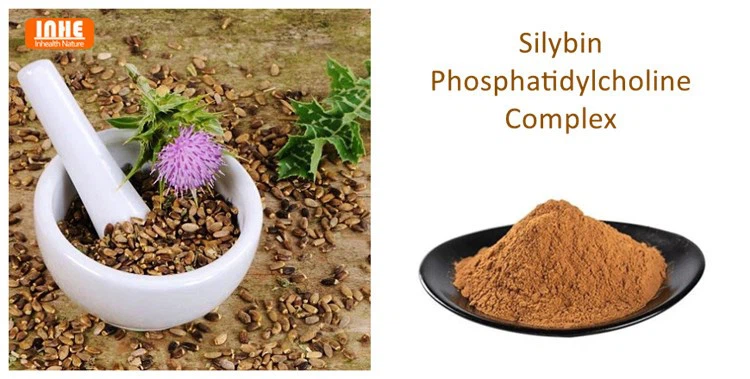
what do you know about the silybin phospholipid complex?
Silybin Phospholipids, derived from the milk thistle plant, is a natural supplement that offers a range of potential health benefits, particularly in the realm of cardiovascular wellness. This powerful combination of silybin, a flavonoid antioxidant found in milk thistle, and phospholipids, essential components of cell membranes, has garnered attention for its ability to lower cholesterol levels and prevent cardiovascular disease. Clinical studies have demonstrated the efficacy of silybin phosphatidylcholine in reducing cholesterol levels in the body. Elevated levels of LDL (low-density lipoprotein) cholesterol are a major risk factor for heart disease, and silybin phosphatidylcholine has been shown to lower both LDL cholesterol and total cholesterol levels effectively. By doing so, it helps mitigate the build-up of plaque in the arteries, thereby reducing the risk of cardiovascular events such as heart attacks and strokes. In addition to its cholesterol-lowering effects, silybin phosphatidylcholine exhibits potent antioxidant and anti-inflammatory properties. Oxidative stress and inflammation are underlying factors in the development of various cardiovascular diseases, and silybin phosphatidylcholine's ability to combat these processes helps protect the heart and blood vessels from damage, promoting a healthier cardiovascular system. The market application of silybin phosphatidylcholine is expanding as more individuals seek natural solutions for maintaining heart health. With an increasing emphasis on preventive healthcare and a growing awareness of the role of lifestyle and nutrition in cardiovascular wellness, there is a rising demand for natural supplements like silybin phosphatidylcholine complex. The future development trend for silybin phosphatidylcholine is promising. Ongoing research and clinical trials are likely to further elucidate its mechanisms of action and expand our understanding of its potential benefits for cardiovascular health. Additionally, as consumer interest in natural and plant-based remedies continues to grow, the market for silybin phosphatidylcholine complex is expected to expand, with a focus on product innovation and formulation improvements.
how does the silybin phospholipid complex reduce the risk of cardiovascular diseases?
Silybin phosphatidylcholine exerts its beneficial effects on blood lipid levels and cardiovascular health through a multifaceted mechanism of action, including the inhibition of cholesterol absorption, antioxidant properties, modulation of lipid metabolism, and the regulation of various physiological pathways.
★ Mechanism of Action
The primary active component of silybin phosphatidylcholine complex is silybin, which belongs to the flavonolignan family. Silybin exerts its lipid-lowering effects through several mechanisms:
a. Inhibition of Cholesterol Absorption: Silybin inhibits the absorption of cholesterol in the intestines by interfering with the micellar solubilization of cholesterol and reducing its uptake by enterocytes. This leads to a decrease in the levels of circulating cholesterol, especially low-density lipoprotein (LDL) cholesterol.
b. Antioxidant Properties: Silybin exhibits potent antioxidant properties by scavenging free radicals and inhibiting lipid peroxidation. Oxidative stress plays a crucial role in the development of atherosclerosis, and the antioxidant effects of silybin help protect the vascular endothelium from damage, thus preventing the initiation and progression of atherosclerotic plaques.
c. Modulation of Lipid Metabolism: Silybin regulates lipid metabolism by influencing the expression of key enzymes involved in cholesterol synthesis, such as HMG-CoA reductase. By inhibiting this enzyme, silybin reduces the endogenous production of cholesterol, contributing to overall lipid-lowering effects.
★ Pathways
The pathways through which silybin phosphatidylcholine exerts its lipid-lowering and cardiovascular protective effects involve multiple physiological processes:
a. Regulation of Lipoprotein Metabolism: Silybin influences the metabolism of lipoproteins, particularly LDL cholesterol. It promotes the clearance of LDL from the circulation by upregulating the expression of LDL receptors on hepatocytes, leading to enhanced LDL uptake and catabolism.
b. Anti-Inflammatory Effects: Chronic inflammation is closely associated with the development of atherosclerosis and cardiovascular diseases. Silybin exerts anti-inflammatory effects by inhibiting the production of pro-inflammatory cytokines and adhesion molecules, thereby reducing the inflammatory response within the arterial walls.
c. Endothelial Function Improvement: Silybin contributes to preserving endothelial function by enhancing nitric oxide bioavailability and reducing endothelial dysfunction. This leads to improved vasodilation, reduced platelet aggregation, and overall maintenance of vascular health.
d. Protection Against Vascular Injury: Silybin protects against vascular injury by preventing the proliferation of smooth muscle cells in the arterial walls, thereby reducing the risk of vascular stenosis and thrombosis.
what specific group of people is it suitable for?
Silybin phosphatidylcholine complex offers a natural and effective way to lower blood lipids and prevent cardiovascular diseases, making it suitable for a diverse range of individuals. Whether targeting high cholesterol levels, metabolic syndrome, familial risk factors, fatty liver disease, or obesity, silybin phosphatidylcholine complex can provide valuable support in improving cardiovascular health and reducing the risk of heart-related complications.
★ Individuals with High Cholesterol Levels
One of the primary benefits of the silybin phosphatidylcholine complex is its ability to lower cholesterol levels, especially LDL cholesterol. Individuals with high cholesterol levels, either due to genetic factors or lifestyle choices, can benefit significantly from the lipid-lowering effects of the silybin phosphatidylcholine complex. By reducing LDL cholesterol levels, this complex helps lower the risk of atherosclerosis and cardiovascular diseases.
★ People with Metabolic Syndrome
Metabolic syndrome is a group of conditions that raise the risk of heart disease, stroke, and type 2 diabetes. These conditions include high blood pressure, high blood sugar, excess body fat around the waist, and abnormal cholesterol levels. Silybin phosphatidylcholine complex can be particularly beneficial for individuals with metabolic syndrome as it targets multiple risk factors simultaneously, such as lowering blood lipids, reducing inflammation, and improving insulin sensitivity.
★ Individuals at Risk of Cardiovascular Diseases
People with a family history of cardiovascular diseases, such as heart attacks or strokes, are at a higher risk of developing similar conditions themselves. Silybin phosphatidylcholine complex can be a preventive measure for such individuals by reducing their overall cardiovascular risk profile. By lowering blood lipids, protecting against vascular damage, and reducing inflammation, this complex can help mitigate the risk of developing cardiovascular diseases in high-risk populations.
★ Those with Fatty Liver Disease
Non-alcoholic fatty liver disease (NAFLD) is a condition characterized by the accumulation of fat in the liver, which can lead to liver damage and increase the risk of cardiovascular diseases. Silybin phosphatidylcholine complex has been shown to have hepatoprotective effects and can help improve liver function in individuals with NAFLD. By reducing liver fat accumulation and improving liver health, this complex contributes to overall cardiovascular health in this population.
★ Individuals with Obesity
Obesity is a significant risk factor for cardiovascular diseases, as it is often associated with dyslipidemia, inflammation, and insulin resistance. Silybin phosphatidylcholine complex can benefit individuals struggling with obesity by helping to regulate lipid metabolism, reduce inflammation, and improve metabolic parameters. By promoting weight loss and addressing underlying metabolic abnormalities, this complex supports cardiovascular health in obese individuals.
how to use it?
Silybin phosphatidylcholine complex can be a valuable tool in managing blood lipids and preventing cardiovascular diseases when used correctly. By following dosage recommendations, proper administration methods, maintaining consistency in use, incorporating a healthy lifestyle, and monitoring progress, individuals can harness the full potential of this complex for improved cardiovascular health and overall well-being.
★ Dosage Recommendations
The recommended dosage of silybin phosphatidylcholine complex can vary depending on individual needs and health conditions. It is advisable to consult a healthcare provider or a nutritionist to determine the appropriate dosage based on factors such as age, weight, and existing medical conditions.
Typically, a standard dosage of silybin phosphatidylcholine complex ranges from 100 mg to 300 mg per day, divided into two or three doses. However, higher dosages may be prescribed for individuals with severe hyperlipidemia or other cardiovascular risk factors.
★ Administration
Silybin phosphatidylcholine complex can be taken orally by mixing the recommended dosage with water, juice, or food. It is important to follow the instructions provided on the product label or as directed by a healthcare professional.
For optimal absorption and efficacy, silybin phosphatidylcholine complex is best taken with meals, especially those containing some dietary fat. This can help enhance the bioavailability of silybin and improve its lipid-lowering effects.
★ Duration of Use
The duration of silybin phosphatidylcholine supplementation can vary depending on individual goals and responses to treatment. It is generally recommended to use this complex consistently for a period of several weeks to months to observe its full benefits on blood lipids and cardiovascular health.
Long-term use of silybin phosphatidylcholine complex may be necessary for individuals with chronic conditions such as high cholesterol or metabolic syndrome. Regular monitoring of lipid levels and cardiovascular risk factors is essential to assess the effectiveness of silybin phosphatidylcholine supplementation over time.
★ Adherence to a Healthy Lifestyle
While the silybin phosphatidylcholine complex can contribute to lowering blood lipids and preventing cardiovascular diseases, its efficacy can be further enhanced by adopting a healthy lifestyle. This includes following a balanced diet full of fruits, vegetables, whole grains, and lean meats, as well as maintaining regular physical activity.
Avoiding smoking, excessive alcohol consumption, and high-fat, processed foods can help optimize the effects of silybin phosphatidylcholine complex and promote overall cardiovascular health.
★ Monitoring and Adjustments
It is essential to monitor lipid levels, blood pressure, and other cardiovascular risk factors regularly while using silybin phosphatidylcholine complex. This allows for adjustments in dosage or treatment plans as needed to achieve optimal results.
Consultation with a healthcare provider for periodic check-ups and assessments is crucial to ensure that silybin phosphatidylcholine supplementation is tailored to individual needs and remains effective in reducing the risk of cardiovascular diseases.
If you are interested in our Silybin Phospholipids, please feel free to contact us at april@inhealthnature.com.