How Do Total Naphthoquinones and Shikonin Play Antiviral and Antibacterial Roles?
Feb 28, 2023
What is Lithospermum Erythrorhizon Root Extract?
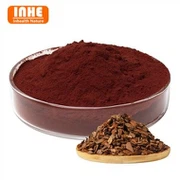
Gromwell Root Powder is a traditional Chinese medicine used to treat skin diseases, or discomforts from physical conditions. It is extracted from the root of the purple gromwell (Lithospermum erythrorhizon) plant which is native to China, Japan, and South Korea. This traditional medicine has a long history of use for treating skin infections and inflammation, as well as helping to reduce fevers. The active components in lithospermum erythrorhizon root extract are the naphthoquinone derivatives, particularly total naphthoquinones (TNQ) and shikonin. Both of these components have been extensively researched and have exhibited antiviral, antibacterial, and anti-inflammatory activities.

How Do Total Naphthoquinones and Shikonin Play Antiviral and Antibacterial Roles?
Total naphthoquinones (TNQ) is a group of compounds isolated from the roots of the gromwell plant and has been the focus of much research due to its potential for medical applications. Studies have shown that TNQ can act as an antiviral by interfering with the replication of a variety of viruses, including herpes simplex virus (HSV), hepatitis B virus (HBV), and poliovirus. It has also been shown to have antibacterial activity against Gram-positive and Gram-negative bacteria. In addition, TNQ has been found to possess anti-inflammatory activity, which can help reduce the swelling and pain that accompany skin diseases and infections.
Shikonin is a type of naphthoquinone component found in lithospermum erythrorhizon root extract. Shikonin has been found to have antiviral activity against the influenza virus, as well as the human papillomavirus. It has also been shown to be effective against Gram-positive and Gram-negative bacteria and has anti-inflammatory properties. In addition, shikonin is thought to be involved in the regulation of cell cycle progression, apoptosis, and cell proliferation.
Overall, gromwell root extract contains a variety of therapeutic components. TNQ and shikonin are the two main components that have exhibited antiviral, antibacterial, and anti-inflammatory activities. Gromwell root extract has a long history of use as a traditional Chinese medicine and is widely used to treat skin diseases, infections, and inflammation.

How to Use Lithospermum Erythrorhizon Root Extract?
To begin with, gromwell root extract can be consumed orally. It is recommended that you mix it with hot water or tea to make a drink. This can be taken up to three times per day to help reduce inflammation, bolster the immune system, and improve overall health.
Lithospermum erythrorhizon root extract can also be applied topically to help soothe inflammation and reduce pain. To do this, make a paste with the powder and water. Apply the paste directly onto the skin, leave it for about 30 minutes, and then wash it off. It can be used to treat eczema, acne, and other skin issues.
In addition to oral and topical uses, it can also be used as an inhalant. For inhalation, mix the powder with hot water and use a vaporizer or inhaler to inhale the steam. This can help to make breathing easier and reduce congestion.
Finally, lithospermum erythrorhizon root extract can be used to make a bath soak. Mix the powder with warm water and pour it into your bath. Soak for up to 30 minutes to help soothe sore muscles and joints.
In conclusion, gromwell root extract is a traditional Chinese herbal treatment that has many potential benefits. Whether taken orally, applied topically, inhaled, or used in a bath soak, it can help reduce inflammation and pain, improve skin health, and provide other therapeutic effects.
If you would like to know more about our Gromwell Root Powder or other products, please get in touch with kathy@inhealthnature.com.