

What is the shelf life of Arachidonic Acid Powder?
Oct 12, 2026
Hey there! As a supplier of Arachidonic Acid Powder, I often get asked about its shelf life. It's a really important topic, especially for those who are looking to stock up on this valuable product. So, let's dive right in and explore the shelf life of Arachidonic Acid Powder.
What is arachidonic acid powder?
Before we talk about the shelf life, let's quickly go over what Arachidonic Acid Powder is. Arachidonic acid is an omega-6 fatty acid that is essential for human health. It plays a crucial role in brain development, immune function, and the regulation of inflammation in the body. Our Arachidonic Acid Powder is produced through advanced fermentation technology, ensuring high purity and quality.
Factors affecting the shelf life
Storage Conditions
One of the biggest factors that determine the shelf life of Arachidonic Acid Powder is how it's stored. This powder is sensitive to light, heat, and oxygen. If it's exposed to direct sunlight or high temperatures for a long time, it can start to degrade. Oxidation is another key concern; when the powder comes into contact with air, the fatty acids in it can react with oxygen, leading to the formation of free radicals and a decrease in quality.
To keep the powder in top condition, it should be stored in a cool, dry, and dark place. A sealed container in a refrigerator can be a great option, as it reduces the chances of oxidation and protects it from light.
Packaging
The type of packaging also matters a lot. High-quality, airtight packaging can significantly extend the shelf life. Our Arachidonic Acid Powder comes in vacuum-sealed bags or containers. This helps to exclude oxygen and protect the product from the external environment. The better the packaging, the longer the powder can stay fresh and effective.
Typical Shelf Life
Under optimal storage conditions (i.e., stored in a cool, dry place at a temperature below 25°C in sealed packaging), our Arachidonic Acid Powder generally has a shelf life of 24 months from the date of production. However, this can vary depending on how well it's stored.
If the powder is exposed to sub-optimal conditions, such as high humidity or frequent temperature fluctuations, its shelf life can be significantly reduced. For example, if it's left in a hot and humid warehouse, the powder may start to clump and lose its potency within a few months.
How to tell if the powder has expired
So, how can you tell if your Arachidonic Acid Powder has gone bad? There are a few signs to look out for.
a. Smell: Fresh Arachidonic Acid Powder has a mild, characteristic odor. If it starts to smell rancid or off, it's a sign that the fatty acids have started to oxidize, and the powder is no longer good to use.
b. Appearance: Check for any signs of clumping or discoloration. If the powder has formed hard clumps or changed color from its original appearance, it may have expired.
c. Taste: Although it's not common to taste nutritional powders, if you do notice a bitter or unpleasant taste, it could be a sign of spoilage.
Similar products and their shelf lives
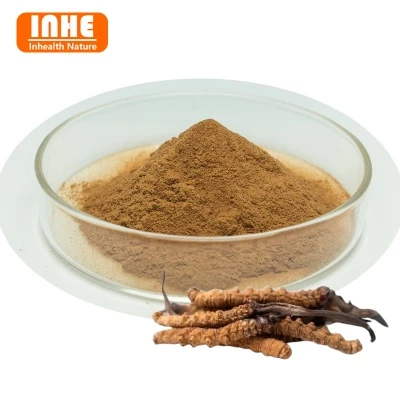
We also supply other nutritional powders, each with its own shelf life. For instance, Cordyceps Powder is another popular product. When stored properly (in a cool, dry place), it usually has a shelf life of about 18-24 months. The factors affecting its shelf life are similar to those of Arachidonic Acid Powder, like exposure to light, heat, and moisture.
Beta Carotene 10% Powder is known for its antioxidant properties. It needs to be stored away from light to prevent degradation. Under normal storage conditions, it can last around 24 months.
Yeast β-Glucan is great for immune support. This powder is relatively stable but still benefits from being stored in a cool environment. Its shelf life is typically 24 months when stored correctly.
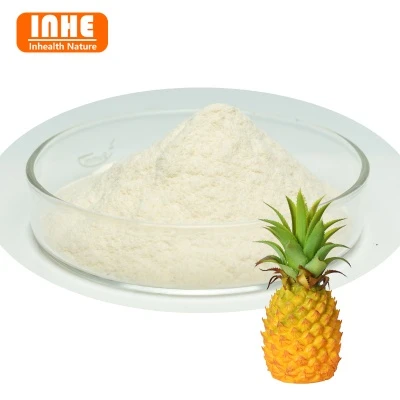
Pineapple Enzyme Bromelain is an enzyme-based powder. Enzymes are sensitive to temperature and pH. If stored at the right temperature (usually below 25°C), it can maintain its activity for about 12-18 months.
Making the most of shelf life
To make sure you get the most out of your Arachidonic Acid Powder and other nutritional products, here are some tips:
1. Buy in appropriate quantities: Don't buy more than you can use within a reasonable time frame. This way, you reduce the risk of the powder expiring.
2. Use proper storage containers: If the original packaging has been opened, transfer the powder to an airtight container. This helps to keep out air and moisture.
3. Follow a FIFO (first-in, first-out) stock rotation system: If you have multiple batches of powder, use the older ones first. This ensures that none of the products expire on the shelf.
conclusion
In conclusion, the shelf life of Arachidonic Acid Powder can be up to 24 months under optimal storage conditions. By paying attention to storage and packaging, you can make sure your powder stays fresh and effective for as long as possible.
If you're interested in purchasing Arachidonic Acid Powder or any of our other products like Cordyceps Powder, Beta Carotene 10% Powder, Yeast β-Glucan, or Pineapple Enzyme Bromelain, we're here to help. Reach out to us at info@inhealthnature.com for more information and to start a procurement discussion. We're committed to providing high-quality products with a long shelf life to meet your needs.
References
1. Abuzaytoun, R., & Shahidi, F. (2006). Oxidative stability of algal oils as affected by their minor components. Journal of Agricultural and Food Chemistry, 54(21), 8253–8260. https://doi.org/10.1021/jf061047s
2. Jia, H. X., Liu, H. A., & Su, M. Y. (2024). Effect of high DHA and ARA fortification on non-enzymatic browning of infant formula powder. CyTA - Journal of Food, 22(1). https://doi.org/10.1080/19476337.2023.2290072
3. Wang, Z., et al. (2021). Arachidonic acid-encapsulated microcapsules with a core-shell structure prepared by coaxial electrospray. Journal of Applied Polymer Science, 138(19), 50403.