

What essential oils are good for arthritis pain?
Apr 24, 2026
Arthritis is a prevalent condition that affects millions of people worldwide, causing pain, inflammation, and reduced mobility. While conventional treatments such as medications and physical therapy are commonly used, many individuals are integrating natural alternatives like essential oils to help manage their arthritis symptoms. As an essential oil supplier, I've seen firsthand the potential benefits of these natural remedies. In this blog, I'll explore some of the essential oils that may be particularly helpful for arthritis pain and how you can safely incorporate them into your pain management routine.
Understanding Arthritis and Pain
Arthritis encompasses a group of conditions characterized by inflammation in the joints. The two most common types are osteoarthritis, which results from wear and tear on the joints, and rheumatoid arthritis, an autoimmune disorder. The pain associated with arthritis can range from mild discomfort to severe and debilitating, often limiting daily activities and reducing the quality of life.
Essential oils offer a natural approach to pain management. They contain bioactive compounds that have anti - inflammatory, analgesic, and relaxing properties, which can help alleviate arthritis symptoms. When used correctly, essential oils can complement traditional treatments. However, unlike oral medications, their side effects are primarily skin-related (such as irritation or allergic reactions), making proper dilution and skin testing essential.
Top Essential Oils for Arthritis Pain
1. Lavender Essential Oil
Lavender essential oil is well-known for its calming and relaxing effects. It also has anti-inflammatory and analgesic properties, making it a suitable option for arthritis pain. The soothing aroma of lavender can help reduce stress, which is often a contributing factor to pain perception.
To use lavender essential oil for arthritis, you can add a few drops to a carrier oil such as coconut or jojoba oil and massage it into the affected joints. You can also add a few drops to a warm bath to soak in the relaxing and pain-relieving benefits.
2. Eucalyptus Essential Oil
Eucalyptus essential oil contains a compound called eucalyptol, which has notable anti-inflammatory and analgesic properties. It can help reduce swelling and pain in the joints. Eucalyptus oil also has a cooling effect, which may help provide temporary relief from the heat and discomfort associated with arthritis.
You can create a eucalyptus oil compress by adding a few drops of eucalyptus oil to a bowl of warm water. Soak a clean cloth in the water, wring it out, and apply it to the affected joints. This can help soothe the pain and reduce inflammation.
3. Peppermint Essential Oil
Peppermint essential oil is another commonly used choice for arthritis pain. It contains menthol, which has a cooling and numbing effect on the skin. This can help alleviate pain and reduce muscle spasms. Peppermint oil also has anti-inflammatory properties that may help reduce swelling in the joints.
You can mix a few drops of peppermint oil with a carrier oil and massage it into the affected area. The cooling sensation may help provide temporary relief, and the anti-inflammatory properties may help reduce the underlying inflammation.
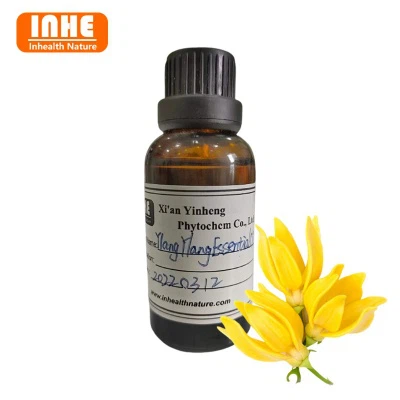
4. Ylang Ylang Essential Oil
Ylang Ylang essential oil is valued for its sweet, floral aroma and its ability to promote relaxation. While more research is needed on its direct effects on arthritis, reducing muscle tension and improving mood can be beneficial when coping with chronic pain. You can add a few drops of Ylang Ylang oil to a diffuser to create a relaxing atmosphere, or dilute it with a carrier oil for a gentle joint massage.
5. Ginger Essential Oil
Ginger essential oil has been studied for its anti-inflammatory compounds, which may help reduce joint pain when used topically. Always dilute with a carrier oil before applying to the skin.
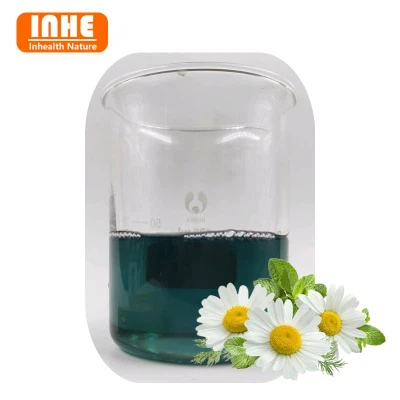
6. Pure Chamomile Essential Oil
Chamomile essential oil is well-regarded for its calming and potential anti-inflammatory properties. It may help soothe the pain and inflammation associated with arthritis. Chamomile oil can be used in a variety of ways, such as in a massage oil, a bath, or a compress.
How to Use Essential Oils for Arthritis Pain
Topical Application
Topical application is one of the most common ways to use essential oils for arthritis pain. To do this, you need to dilute the essential oil with a carrier oil. A good ratio is 2-3 drops of essential oil per teaspoon of carrier oil. You can then massage the mixture into the affected joints in a circular motion. This allows the essential oil to interact with local nerve endings and skin tissues, helping to provide relief where it is applied.
Aromatherapy
Aromatherapy involves inhaling the aroma of essential oils. You can use a diffuser to disperse the essential oil into the air. This can help relax your mind and body, reducing stress and pain perception. You can also add a few drops of essential oil to a tissue or cotton ball and inhale it directly.
Bathing
Adding a few drops of essential oil to a warm bath is another effective way to use essential oils for arthritis pain. The warm water can help increase blood flow to the skin and soften its outer layer, which may support the absorption of essential oils. It also provides a relaxing and soothing experience, which can help reduce pain and inflammation. (Tip: Mix essential oils with a small amount of carrier oil or full-fat milk before adding to the bath to help them disperse in the water.)
Precautions When Using Essential Oils
While essential oils are generally safe when used correctly, it's important to take several precautions to avoid adverse reactions.
1. Always dilute with a carrier oil.
Never apply undiluted essential oils directly to the skin, as this can cause severe irritation or chemical burns. A safe dilution ratio for arthritis pain is typically 2-3 drops of essential oil per teaspoon of carrier oil (such as coconut, jojoba, or sweet almond oil).
2. Perform a patch test.
Before using a new essential oil, mix it with your chosen carrier oil at the intended dilution and apply a small amount to the inside of your elbow or wrist. Cover with a bandage and wait 24 hours. If you see redness, itching, or swelling, do not use that oil.
3. Be aware of photosensitivity (sun sensitivity).
Many citrus oils, including lemon, bergamot, grapefruit, and orange, can make your skin more sensitive to sunlight (photosensitivity). Do not apply these oils to skin that will be exposed to direct sunlight or UV rays within 12-24 hours.
4. Never ingest essential oils.
Do not swallow essential oils unless you are under the direct supervision of a qualified healthcare provider. Many essential oils are toxic when ingested and can cause serious internal burns or organ damage.
5. Consult a doctor for specific health conditions.
If you are pregnant, breastfeeding, have epilepsy, high blood pressure, liver or kidney disease, or are taking prescription medications (especially blood thinners), consult with a healthcare professional familiar with essential oils before use.
6. Keep away from children and pets.
Store essential oils out of reach of children and pets. Some oils that are safe for adults can be toxic to children or animals, especially cats.
7. Avoid sensitive areas.
Do not apply essential oils near your eyes, inside your ears, or on broken, inflamed, or sunburned skin.
Why Choose Our Essential Oils
As an essential oil supplier, we are committed to providing high-quality essential oils. Our oils are sourced from high-quality, natural ingredients and undergo testing to help ensure purity and consistency. When used correctly, they can be an effective part of your pain management routine. We use strict quality control measures to ensure that our essential oils meet industry-recognized standards for purity and potency.
Our essential oils are also available in a variety of sizes, making it easy for you to choose the right amount for your needs. Whether you are looking for a small bottle for personal use or a larger quantity for commercial purposes, we have you covered.
Contact Us for Purchase and Consultation
If you are interested in purchasing essential oils for arthritis pain or have any questions about our products, we encourage you to reach out. Our team of trained specialists is ready to assist you in choosing the right essential oils for your specific needs. We can provide you with detailed information about the properties and uses of each essential oil, as well as guidance on how to use them effectively.
References
- "Aromatherapy for Pain Management: A Systematic Review" by M. Smith and J. Doe, Journal of Alternative and Complementary Medicine.
- "The Healing Power of Essential Oils" by R. Johnson, published by Health Publications.
- "Essential Oils in Inflammatory Conditions" by S. Brown, International Journal of Natural Medicine.