

Does Maca Extract Powder improve mood?
Oct 16, 2026
This article is for general informational and educational purposes only. It is not medical advice, diagnosis, or treatment. Always consult your healthcare provider before starting any supplement.
These statements have not been evaluated by the Food and Drug Administration. This product is not intended to diagnose, treat, cure, or prevent any disease.
The short answer
If you've been researching natural supplements, you've likely come across Maca Extract Powder. The question I hear most often from customers is simple: does it actually help with mood? After sourcing maca root for many years, here's what I've learned from the research.
What maca is (and isn't)
Maca is a root vegetable native to the Andes, traditionally used for stamina and vitality. When processed into extract powder, it concentrates compounds called macamides and macaenes.
It's not a quick fix. If you're looking for an immediate mood lift, maca isn't that. But research suggests it may support mood indirectly-by addressing factors like hormonal fluctuations and stress-related fatigue that often sit behind mood changes.
What the research suggests
The evidence isn't overwhelming, but some studies point in a positive direction.
a. Postmenopausal women: A 2015 randomized controlled trial explored maca (3.3 g/day) in 29 postmenopausal Hong Kong Chinese women. The study found significant decreases in depression scores and diastolic blood pressure after maca supplementation, though the authors noted that the findings may not apply to women from other cultural backgrounds.
b. General mood support: Some clinical trials have explored improvements in mood and anxiety, particularly in the context of hormonal transitions. However, a 2023 systematic review of preclinical and clinical studies concluded that clinical trials remain limited in sample size and duration, making firm conclusions difficult to draw.
The mechanism is thought to involve the endocannabinoid system and hypothalamic regulation, but this remains theoretical. Preclinical studies suggest modulation of neurotransmitters and stress markers, but human data are lacking.
What maca does (and doesn't) do
Maca works best as part of a consistent routine, not as a one-off solution.
From what I've observed:
a. Customers dealing with PMS-related mood changes often report feeling more stable after consistent use.
b. Those experiencing stress-related energy dips may find maca supports steadier energy, which in turn affects mood.
c. It doesn't work the same for everyone.
Complementary ingredients: what makes sense
If you're building a routine around mood support, here are some ingredients that are commonly discussed alongside maca extract powder-and why:
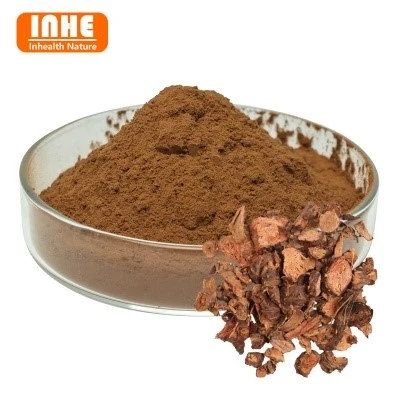
An adaptogen traditionally used to help the body manage stress. A randomized, quadruple-blind, placebo-controlled trial explored a fixed combination of adaptogens including Rhodiola rosea, Schisandra chinensis, and Eleutherococcus senticosus (ADAPT-232) in Long COVID patients, which assessed changes in anxiety and depression among other Long COVID symptoms, though the primary focus was recovery and fatigue. Schisandra has a long history of use in Russian and Chinese traditional medicine, with documented pharmacological research dating back decades.
B. Rhodiola Rosea Extract Powder
A well-researched adaptogen. Some clinical trials have explored its effects on stress-related fatigue, including a 2009 randomized, double-blind, placebo-controlled trial and a 2000 crossover study with night-shift physicians.
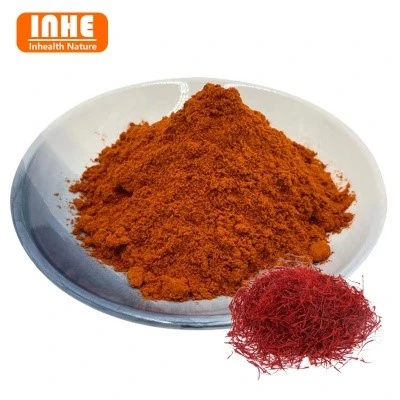
Multiple randomized controlled trials and meta-analyses have examined its effects. A 2025 RCT explored standardized saffron extract for mood and well-being in 202 adults experiencing low mood. A 2019 systematic review examined supplementary effects on depressive and anxiety symptoms.
An amino acid found in green tea. A 2019 randomized controlled trial explored its effects on stress-related symptoms and cognitive function in healthy adults. A 2007 double-blind RCT examined its role in psychological and physiological stress responses.
E. A Note on Other Ingredients
Supplements like Horse Chestnut, Fenugreek, and Burdock Root each have their own traditional uses, but their direct connection to mood support is not well-established. If mood is your primary concern, focus on ingredients with more relevant research.
practical considerations
a. Start low. Some people experience jitteriness if they begin with too high a dose. A common approach is starting around 1 gram per day and adjusting based on how you feel. Clinical trials have used doses ranging from 1.5 g to 3.3 g per day, with no serious adverse events reported.
b. Quality matters. Look for products from a reputable source. Fillers and low-quality raw materials are common problems in the supplement industry.
c. Consult your doctor if you have thyroid conditions or are taking hormone-related medications.
FAQ
Q1: How long does it take for maca to affect mood?
A: Don't expect overnight results. The 2015 postmenopausal trial used a 6-week intervention period per phase. Anecdotal observations suggest subtle shifts in energy stability may emerge after 2-3 weeks, with fuller effects around week 6.
Q2: What's the best time to take maca for mood support?
A: Morning with food works well for most people. Maca can be slightly energizing, so taking it late may disrupt sleep for sensitive individuals.
Q3: Is maca studied for mood in men as well?
A: Research is thinner for men. A 2002 trial explored sexual desire in adult men over 12 weeks, but psychological mood parameters were not the primary focus. Men dealing with stress-related energy changes may benefit similarly to women, but direct evidence is limited.
Q4: Can I combine maca with saffron or Rhodiola?
A: These are often discussed together. Saffron research focuses on mood pathways, Rhodiola on stress fatigue, and maca on hormonal balance and steady energy. Start one at a time to identify what works for you.
Q5: What formats work best for adding maca extract powder to a mood-support routine?
A: Maca extract powder works in capsules, tablets, gummies, and powder blends. It can also be mixed into smoothies, lattes, or functional beverages. Capsules and tablets offer convenience; gummies are growing in popularity. Whichever format you take consistently fits your routine best.
The bottom line
Maca isn't a mood-boosting miracle. But for some people-particularly those dealing with hormone-related mood shifts or stress-related energy crashes-it may offer meaningful support as part of a broader wellness routine.
Mood is personal. What works for your friend may not work for you. The goal is finding what helps you feel steady and clear.
Interested in working with us?
For OEM inquiries-including capsules, powders, gummies, and custom formulations-please contact us at info@inhealthnature.com. We welcome partnership discussions and are happy to explore how we can support your product needs.
References
1. Stojanovska L, et al. (2015). Maca reduces blood pressure and depression, in a pilot study in postmenopausal women. Climacteric, 18(1), 69-78.
2. Dording CM, et al. (2008). A double-blind, randomized, pilot dose-finding study of maca root (L. meyenii) for the management of SSRI-induced sexual dysfunction. CNS Neurosci Ther, 14(3), 182-191.
3. Lopresti AL, et al. (2025). An Examination into the Effects of a Saffron Extract (Affron) on Mood and General Wellbeing in Adults Experiencing Low Mood: A Randomized, Double-Blind, Placebo-Controlled Trial. J Nutr, 155(7), 2300-2311.
4. Shafiee A, et al. (2025). Effect of Saffron Versus Selective Serotonin Reuptake Inhibitors (SSRIs) in Treatment of Depression and Anxiety: A Meta-analysis of Randomized Controlled Trials. Nutr Rev, 83(3), e751-e761.
5. Olsson EM, et al. (2009). A randomised, double-blind, placebo-controlled, parallel-group study of the standardised extract SHR-5 of the roots of Rhodiola rosea in the treatment of subjects with stress-related fatigue. Planta Med, 75(2), 105-112.
6. Darbinyan V, et al. (2000). Rhodiola rosea in stress-induced fatigue-a double blind cross-over study of a standardized extract SHR-5 with a repeated low-dose regimen on the mental performance of healthy physicians during night duty. Phytomedicine, 7(5), 365-371.
7. Hidese S, et al. (2019). Effects of L-Theanine Administration on Stress-Related Symptoms and Cognitive Functions in Healthy Adults: A Randomized Controlled Trial. Nutrients, 11(10), 2362.
8. Kimura K, et al. (2007). L-Theanine reduces psychological and physiological stress responses. Biological Psychology, 74(1), 39-45.
9. Panossian A, et al. (2022). Network Pharmacology of Adaptogens in the Assessment of Their Pleiotropic Therapeutic Activity. Pharmaceuticals, 15(9), 1051.
10. Spasov AA, et al. (2000). A double-blind, placebo-controlled pilot study of the stimulating and adaptogenic effect of Rhodiola rosea SHR-5 extract on the fatigue of students caused by stress during an examination period with a repeated low-dose regimen. Phytomedicine, 7(2), 89-95.
11. Panossian A, et al. (2008). Pharmacology of Schisandra chinensis Bail.: An overview of Russian research and uses in medicine. Journal of Ethnopharmacology.
12. Ulica del Carpio, et al. (2024). Safety and clinical evidence of maca: A comprehensive review. Frontiers in Pharmacology, 15, 1360422.