

Does Rose Enzyme need to be refrigerated?
Aug 10, 2026
In the world of health and wellness supplements, Rose Enzyme has been garnering considerable attention. As a reliable supplier of Rose Enzyme, I've received numerous inquiries regarding its storage conditions, particularly the question: "Does Rose Enzyme need to be refrigerated?"
To answer this properly, we first need to clarify what Rose Enzyme actually is. Rose Enzyme is a natural product derived from rose petals through fermentation. The fermentation is carried out by beneficial microorganisms that break down the rose components, releasing a variety of bioactive substances. These substances include polyphenols, flavonoids, vitamins, and enzymes, which are believed to offer several health benefits, such as promoting digestion, improving skin conditions, and enhancing the immune system.
The Biochemistry of Rose Enzyme
To determine whether refrigeration is necessary, we need to delve into the biochemistry of Rose Enzyme. Enzymes are proteins, and proteins are sensitive to temperature. High temperatures can cause enzymes to denature, which means the three-dimensional structure of the enzyme is altered. Once an enzyme is denatured, it loses its biological activity and cannot perform its intended function.
In the case of Rose Enzyme, the enzymes present in the product are designed to work within a certain temperature range. Most enzymes in natural products like Rose Enzyme function optimally at around room temperature or slightly below. However, when exposed to high temperatures for an extended period, these enzymes can start to break down.
Factors affecting shelf life and activity
Several factors can influence whether Rose Enzyme needs to be refrigerated.
Ingredients and Formulation: The specific ingredients used in the Rose Enzyme product can play a significant role. If the product contains other heat-sensitive components in addition to the enzymes, such as certain vitamins or antioxidants, refrigeration might be more advisable. For example, some formulations might include Reishi Mushroom Spore Powder or Asparagus Juice Powder, which can also be affected by high temperatures.
Packaging: The packaging of the Rose Enzyme can also impact its storage requirements. If the product is packaged in an airtight container that protects it from light and oxygen, it may have a longer shelf life at room temperature. However, if the packaging is not ideal, refrigeration can help slow down the degradation process.
Intended Use and Frequency of Consumption: If you plan to consume the Rose Enzyme quickly, say within a few weeks, storing it at room temperature might be sufficient. But if you want to keep it for a longer period, refrigeration can help preserve its quality and activity.
Room temperature storage
Storing Rose Enzyme at room temperature can be convenient for many consumers. It eliminates the need for a dedicated space in the refrigerator and allows for easy access. As long as the room temperature remains relatively stable, around 20-25 degrees Celsius (68-77 degrees Fahrenheit), the Rose Enzyme can maintain its quality for a reasonable amount of time.
However, there are some limitations. If the room is very hot, such as in a tropical climate or during the summer months, the enzymes in the Rose Enzyme may start to degrade more rapidly. Also, exposure to direct sunlight or high humidity can further accelerate the degradation process.
refrigeration benefits
Refrigeration offers several benefits for storing Rose Enzyme.
Preservation of Enzyme Activity: The lower temperature in the refrigerator slows down the chemical reactions that cause enzyme degradation. This means that the enzymes in the Rose Enzyme can retain their activity for a longer period.
Extended Shelf Life: By refrigerating the Rose Enzyme, you can extend its shelf life significantly. This is especially important if you have purchased a large quantity or if you do not consume the product frequently.
Protection Against Microbial Growth: The cold environment in the refrigerator can also inhibit the growth of microorganisms. This is crucial as the presence of bacteria or fungi can not only affect the quality of the Rose Enzyme but also pose a health risk.
How to store Rose Enzyme correctly?
If you decide to store Rose Enzyme at room temperature:
- Choose a cool, dry place away from direct sunlight. A cabinet or pantry is ideal.
- Make sure the container is tightly sealed to prevent air and moisture from getting in.
If you opt for refrigeration:
- Keep the Rose Enzyme in its original packaging or transfer it to an airtight container.
- Place the container in the refrigerator, preferably on a shelf where it is not likely to be knocked over.
It's important to note that once you open the container of Rose Enzyme, regardless of the storage method, its shelf life will start to decrease more rapidly. Therefore, it's best to consume it within a reasonable time frame.
Comparison with other plant-based supplements
To put the storage requirements of Rose Enzyme into perspective, let's compare it with some other popular plant-based supplements.
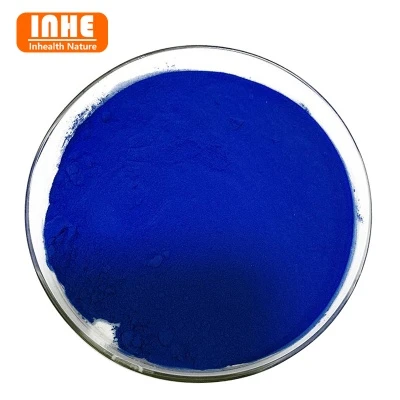
Blue Spirulina Phycocyanin Powder is another well-known supplement. Similar to Rose Enzyme, it contains heat-sensitive components. In fact, studies show that phycocyanin is particularly prone to thermal degradation above 40℃; therefore, refrigeration is strongly recommended to preserve its vibrant color and bioactivity.
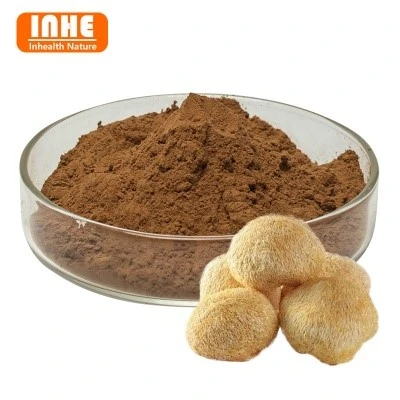
Hericium Erinaceus Powder derived from the Lion's Mane mushroom is relatively stable at room temperature due to its dry powder form. However, to preserve its beneficial compounds like beta-glucans and other bioactive substances, refrigeration can be a good option, especially during hot weather or in high-humidity environments, where it helps prevent caking and oxidative rancidity.
conclusion
In conclusion, while Rose Enzyme can be stored at room temperature under the right conditions, refrigeration is generally a better choice for long-term storage. The lower temperature in the refrigerator helps preserve the enzyme activity, extends the shelf life, and protects against microbial growth.
As a dedicated supplier of Rose Enzyme, we are committed to providing high-quality products and science-backed storage advice. If you are interested in purchasing Rose Enzyme or have further questions about its storage or usage, please do not hesitate to contact us at info@inhealthnature.com for procurement and negotiation. Our team of experts is ready to assist you in making the right decision.
References
Jin, P., Fu, J., Du, W., Li, H., & Cui, G. (2022). Effects of 1−MCP on Storage Quality and Enzyme Activity of Petals of Edible Rose Cultivar 'Dianhong' at Low Temperatures. Horticulturae, 8(10), 954.
Zawislak, A., & Michalczyk, M. (2018). Changes in quality indicators of minimally processed wrinkled rose (Rosa rugosa Thunb.) petals during storage. Acta Sci. Pol. Hortorum Cultus, 17(5), 167-178.