Can Helicobacter Pylori Cause Death?
Mar 31, 2022
The infection rate of H. pylori in the stomach is extremely high. It accounts for about 80% in developing countries, about 40% in developed countries, and even more than 90% in Africa, Latin America, Southeast Asia and other regions. In China, more than 700 million people suffer from H. pylori infection according to public data. The application research of plant extracts against H. pylori has also attracted more and more attention. Studies have shown that Green Tea Extract EGCG Powder, Sulforaphane Powder, Cranberry Extract, Grape Extract and many other plant extracts have a strong and potent effect on anti-H. pylori.

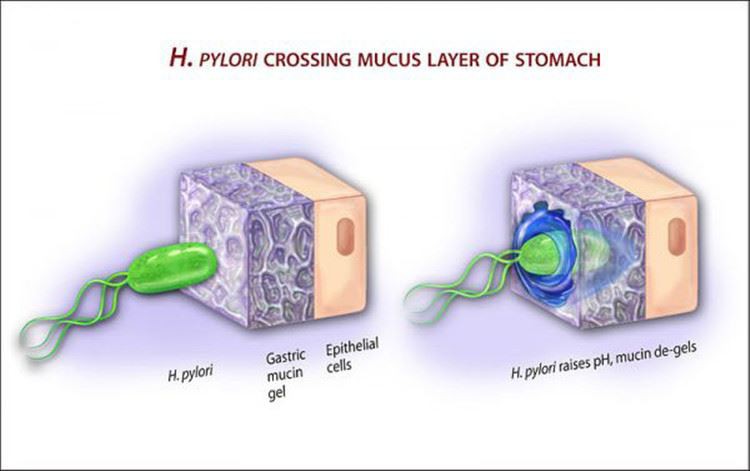
Helicobacter pylori (H. pylori) is a prevalent kind of bacteria. These germs can enter your body and grow in the digestive tract. Over the years, they can cause ulcers in the lining of stomach or the upper part of small intestine. H. pylori is modified to live in the harsh acidic environment of the stomach. The bacteria can alter the environment around it and reduce acidity, making it easier to survive. The helical shape of H. pylori allows it to penetrate the stomach wall, where it is protected by mucus from which the body's immune cells cannot reach. H. pylori infection is the strongest known risk factor for stomach cancer, which is the second uppermost cause of cancer-related deaths worldwide.
Most people infected with H. pylori never have any signs or symptoms. It's not clear why this is the case, but some people may be born with greater resistance to the harmful effects of H. pylori.
When signs or symptoms of H. pylori infection do appear, they may include:
▲ Dull or burning stomach pain (particularly when you are empty in the stomach)
▲ Discomfort or swelling in the abdomen
▲ Nausea
▲ Frequent burping
▲ Vomiting
▲ Poor appetite
▲ Unexplained weight loss
▲ Fatigue
If the above symptoms occur, it’s best to go to hospital and get tested. Medications, such as nonsteroidal anti-inflammatory drugs (NSAIDs), may also damage your stomach wall. Therefore, it's crucial to figure out what's causing your symptoms so you can get the proper treatment.
First, doctors will ask about medical history, symptoms, and any taken medications. They will then give a physical examination, including pressing on abdomen to check for swelling, tenderness, or pain. May also have:
Tests on blood and stool, which can be helpful to find infections.
Urea breath test. Drink a special liquid that contains a substance called urea. Then breathe into a bag, and doctor will send the bag to a lab for testing. If infected with H. pylori, the bacteria that converts urea in the body into carbon dioxide, lab tests will show that the breath is higher than normal levels of the gas.
Everyone can protect themselves from H. pylori infection by following the same steps:

▲ Wash hands after using the bathroom and before preparing or eating food. Teach kids to do the same.
▲ Avoid unclean food or water.
▲ Do not eat anything that is not thoroughly cooked.
▲ Avoid serving food by people who have not cleaned their hands.
While stress and spicy foods don't result in ulcers, they can prevent ulcers from healing quickly or make your pain worse. Talk to your doctor about ways to manage stress, improve diet, and get help in giving up smoking.