Which One Should I Choose? PS Powder? DHA Powder?
Mar 03, 2025
can phosphatidylserine powder and DHA powder support brain health simultaneously?
Both Phosphatidylserine 20% Powder and DHA powder support brain function, but they do so through different mechanisms and target distinct aspects of cognitive and neurological health.
Phosphatidylserine Powder
A. Main Function
a. Memory & Concentration: Phosphatidylserine (PS) is a key phospholipid in brain cell membranes, promoting fluidity and neuron communication. Phosphatidylserine powder enhances the release of neurotransmitters like acetylcholine and dopamine, which are critical for learning, focus, and short-term memory. Studies suggest it may slow age-related cognitive decline by supporting synaptic plasticity.
b. Stress Relief: PS powder helps regulate cortisol, the stress hormone. By moderating cortisol spikes during acute stress, it may improve mental clarity under pressure and reduce feelings of overwhelm.
B. Mechanism
a. Phosphatidylserine powder maintains membrane integrity, enabling efficient signaling between brain cells. It also interacts with stress-response pathways in the hypothalamus to balance cortisol levels.
DHA Powder
A. Main Function
a. Nerve Development: DHA constitutes up to 30% of the brain's gray matter and is vital for forming neurons, synapses, and myelin sheaths (protective nerve coatings). DHA powder supplementation is especially crucial during fetal development and early childhood for building brain architecture.
b. Vision: DHA makes up 50-60% of retinal photoreceptors. It ensures proper visual acuity and light sensitivity, and deficiencies are linked to impaired vision in infants.
B. Mechanism
a. As an omega-3 fatty acid, DHA integrates into cell membranes, providing structural stability. By encouraging the development of dendritic spines, it also promotes synaptic plasticity and has anti-inflammatory qualities.
which groups of people are suitable for these two ingredients?
★ Phosphatidylserine Powder Suitable Groups
a. Older Adults: Supports cognitive health, particularly for those experiencing age-related memory decline or mild cognitive impairment.
b. High-Stress Individuals: May help reduce cortisol levels, benefiting those with chronic stress, anxiety, or sleep disturbances.
c. Athletes: Aids in post-exercise recovery by potentially lowering exercise-induced stress hormones.
d. Students/Professionals: May enhance focus, memory, and mental performance during demanding tasks.
e. Individuals with ADHD: Some use it to support attention and cognitive function.
★ DHA Powder Suitable Groups
a. Pregnant/Breastfeeding Women: Critical for fetal and infant brain, eye, and nervous system development.
b. Infants/Children: Supports cognitive growth, learning, and visual development, especially in early life.
c. Vegetarians/Vegans: Compensates for low dietary intake of omega-3s (found in fish/algae).
d. Older Adults: Promotes brain health and may slow age-related cognitive decline.
e. Heart Health Concerns: Contributes to cardiovascular wellness, though EPA is more directly linked.
f. Mental Health Support: May alleviate symptoms of depression or mood disorders as part of omega-3 therapy.
g. Eye Health: Beneficial for individuals with dry eyes or age-related macular degeneration.
Both supplements cater to overlapping groups (e.g., older adults), but PS focuses on stress/cognition, while DHA emphasizes structural brain/eye development and broader anti-inflammatory benefits.
what are the appropriate intakes of these two ingredients?
The appropriate intake of phosphatidylserine powder and DHA powder can vary depending on the individual's age, health status, and specific needs. Here's a general guide for different groups of people based on typical recommendations. Keep in mind that it's always a good idea to consult a healthcare professional before beginning any supplementation.
Adults
A. Phosphatidylserine Powder
a. Typical dosage: 100-300 mg per day.
b. Common use: Cognitive support, stress reduction, or memory enhancement.
c. Divided doses: Some people take it in two or three divided doses throughout the day.
B. DHA Powder
a. Typical dosage: 500-1,000 mg per day.
b. Common use: Brain health, cardiovascular support, and overall well-being.
c. Some studies suggest up to 2,000 mg for more obvious benefits.
Children
A. Phosphatidylserine Powder
a. Dosage: 100-200 mg per day, divided into one or two doses.
b. Use: Cognitive support, focus, and attention.
c. Consult a pediatrician before using supplements for children.
B. DHA Powder
a. Dosage: 250-500 mg per day, depending on age.
b. Use: Brain development, immune system support.
c. DHA is particularly important for children under 5 years of age for optimal brain function and development.
Elderly Individuals
A. Phosphatidylserine Powder
a. Dosage: 200-400 mg per day, taken in divided doses.
b. Use: Cognitive function, memory support, and potentially helping with symptoms of age-related cognitive decline.
B. DHA Powder
a. Dosage: 1,000-2,000 mg per day.
b. Use: Cardiovascular health, cognitive support, and preventing age-related cognitive decline.
Pregnant or Breastfeeding Women
A. Phosphatidylserine Powder
a. Dosage: 100-200 mg per day or less.
b. Use: Brain function, mood, and stress management.
c. Always consult a doctor before use during pregnancy or breastfeeding.
B. DHA Powder
a. Dosage: 300-600 mg per day.
b. Use: Supports fetal brain and eye development during pregnancy and breastfeeding.
Athletes and Active Individuals
A. Phosphatidylserine Powder
a. Dosage: 200-400 mg per day.
b. Use: Cognitive performance, stress reduction, and recovery.
c. Some studies suggest phosphatidylserine powder may help reduce exercise-induced cortisol levels and improve recovery after intense exercise.
B. DHA Powder
a. Dosage: 1,000-2,000 mg per day.
b. Use: Overall health, joint support, and inflammation reduction.
People with Specific Health Conditions (e.g., Cognitive Decline, ADHD, Depression, Anxiety)
A. Phosphatidylserine Powder
a. Dosage: 300-400 mg per day, divided into two doses.
b. Use: Cognitive decline (e.g., Alzheimer's), ADHD (helps with focus), or mood support.
B. DHA Powder
a. Dosage: 1,000-2,000 mg per day.
b. Use: Support for cognitive function, mood, and inflammation reduction.
General Notes
a. Both phosphatidylserine powder and DHA powder can be taken with food for better absorption.
b. It's important to follow the manufacturer's instructions on the specific supplement you are using, as concentrations can vary.
c. For specific medical conditions or concerns, always consult a healthcare provider before starting any supplement regimen.
what is the effect of using phosphatidylserine powder and DHA powder together?
DHA is an omega-3 fatty acid that can enhance memory and cognitive function by supporting the development and protection of neurons. A lipid called phosphatidylserine (PS) has several benefits, including improving the stability of neuronal membranes, promoting the synthesis of neurotransmitters, enhancing brain cell energy metabolism, improving cognitive function, relieving stress, and elevating mood. Phosphatidylserine accumulation in neuronal cells is unique to these cells and can be facilitated by supplementing with DHA, according to studies. The brain can benefit from DHA and PS in many ways. Combining them frequently can have a synergistic impact and enhance brain health and function even more. In clinical studies, taking 100 mg of PS + DHA complex every day for 15 weeks can effectively maintain or improve the cognitive state of the subjects. In addition, studies on patients with depression have shown that taking PS (100 mg) and omega-3 fatty acid (DHA 119 mg, EPA 70 mg) supplements three times a day, after 12 weeks, the patient's Hamilton Depression Rating Scale score dropped significantly, indicating that the PS + DHA complex can improve the mood of patients with depression.
which one should I choose?
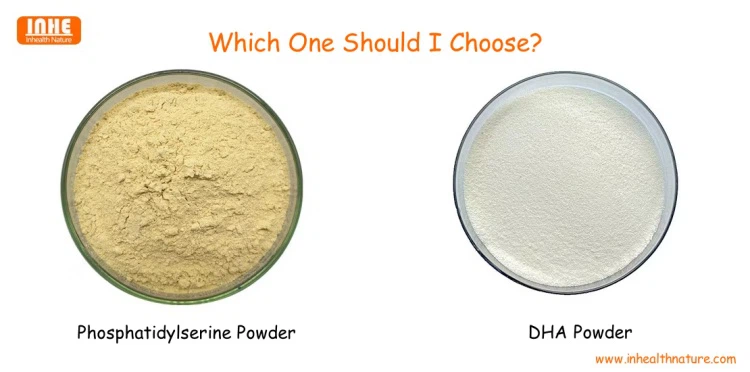
When deciding between phosphatidylserine powder and DHA powder, consider your specific health goals, diet, and lifestyle. Here's a concise comparison to guide your choice:
Phosphatidylserine (PS) Powder
A. Primary Uses
a. Cognitive Support: May aid memory, focus, and attention, particularly in age-related cognitive decline.
b. Stress Reduction: Linked to lowering cortisol levels, beneficial for managing stress or improving recovery in athletes.
c. Mood & Sleep: Some users report better mood regulation and sleep quality.
B. Consider If
a. You're focused on mental sharpness, stress management, or mild memory concerns.
b. You prefer a supplement with potential calming effects or want to support athletic recovery.
DHA Powder
A. Primary Uses
a. Brain Structure & Development: Critical for infants' brain growth and maintaining adult brain function.
b. Heart & Inflammation: Supports cardiovascular health and has anti-inflammatory properties.
c. Mood & Vision: Linked to emotional well-being and eye health.
B. Consider If
a. You seek overall brain health, heart benefits, or are pregnant/nursing.
b. Your diet lacks omega-3-rich foods (e.g., fatty fish, algae).
Key Differences
a. Function: Phosphatidylserine powder targets cell membrane health and stress hormones, while DHA powder supports brain structure and systemic anti-inflammation.
b. Dietary Factors: Vegans/vegetarians might prefer algae-based DHA powder or plant-sourced phosphatidylserine powder.
When to Choose Which
A. Pick phosphatidylserine powder if
a. Stress reduction, memory support, or cortisol management are priorities.
b. You're exploring nootropics for mild cognitive tweaks.
B. Pick DHA powder if
a. You want foundational brain/heart support, especially if lacking in omega-3s.
b. You're pregnant, aging, or focused on long-term inflammation reduction.
Combination Option
Both can be taken together safely for synergistic effects (brain structure + cognitive function), but consult a healthcare provider if you're on medications (e.g., blood thinners) or have specific health conditions.
If you have any other concerns or questions about our Phosphatidylserine 20% Powder, please do not hesitate to contact us at bella@inhealthnature.com.