Ready to Drift Off into Dreamland with Ashwagandha Extract?
Mar 11, 2024
every detail you need to know about ashwagandha Extract
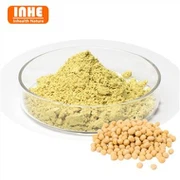
Ashwagandha Root Extract Powder has been gaining popularity in recent years for its impressive benefits in promoting relaxation, reducing stress, and improving sleep quality. One of the key active compounds found in ashwagandha root extract is scopoletin, known for its ability to relax the nervous system and promote restful sleep. Ashwagandha, also known as withania somnifera, has a long history of use in traditional Ayurvedic medicine for promoting overall health and well-being. It has been revered for its adaptogenic properties, helping the body adapt to stress and promoting a sense of calmness. In ancient times, ashwagandha was commonly used to promote restful sleep and alleviate anxiety. Scopoletin is a bioactive compound found in ashwagandha root extract that plays a crucial role in promoting relaxation and improving sleep quality. Studies have shown that scopoletin acts on the central nervous system, helping to calm the mind and induce a state of tranquility conducive to falling asleep. This natural compound provides a gentle and non-addictive solution for those struggling with sleep issues. In recent years, scientific research has provided compelling evidence supporting using ashwagandha root extract to promote sleep and relaxation. Studies have demonstrated that ashwagandha can reduce cortisol levels, the hormone responsible for stress, and improve sleep quality. Additionally, research suggests that ashwagandha may help regulate the sleep-wake cycle and improve overall sleep efficiency. Ashwagandha root extract can be incorporated into various products to cater to market segments. It is commonly used in dietary supplements targeted at promoting relaxation, reducing stress, and improving sleep quality. Additionally, ashwagandha can be found in wellness products such as teas, powders, and capsules designed to support overall well-being. Its versatility and effectiveness make it a sought-after ingredient in the health and wellness industry.

why does sedation promote sleep?
In the fast-paced world we live in today, stress and anxiety have become prevalent in many people's lives, often leading to difficulties with sleep. However, maintaining a state of calmness before bedtime can significantly improve the quality of our sleep. In this part, we will explore the reasons why being in a calm state can help us sleep better.
★ Reduced Cortisol Levels
When we are stressed or anxious, our bodies release high levels of cortisol, known as the stress hormone. Elevated cortisol levels can interfere with our ability to fall asleep and stay asleep. By staying calm and relaxed before bedtime, we can lower our cortisol levels, allowing our bodies to enter a more restful state conducive to sleep.
★ Balanced Nervous System
Being in a calm state helps balance our autonomic nervous system, which consists of the sympathetic (fight or flight) and parasympathetic (rest and digest) branches. When we are calm, the parasympathetic nervous system becomes dominant, promoting relaxation and preparing the body for sleep. This balance is essential for a smooth transition into a restful slumber.
★ Enhanced Melatonin Production
Melatonin is a hormone that regulates our circadian rhythm. It helps the body recognize when it is time for sleep by being created by the brain in reaction to darkness. Stress and anxiety can disrupt melatonin production, leading to difficulties with falling asleep. By staying calm and avoiding stressful stimuli before bed, we can enhance melatonin production and promote better sleep quality.
★ Muscle Relaxation
Emotional tension and stress often manifest physically in the form of muscle tightness and discomfort. When we are in a calm state, our muscles tend to relax, releasing any built-up tension from the day. Relaxed muscles make it easier for us to find a comfortable sleeping position and reduce the likelihood of waking up with aches and pains during the night.
★ Mental Clarity and Peace of Mind
A calm mind is less likely to be plagued by racing thoughts and worries that can keep us awake at night. By cultivating a sense of tranquility before bedtime, we can enjoy mental clarity and peace of mind, allowing us to drift off to sleep more easily. Practices such as meditation, deep breathing, or gentle stretching can help quiet the mind and promote a sense of calmness.
★ Improved Sleep Environment
Creating a peaceful sleep environment is essential for getting a good night's rest. By staying calm before bed, we are more likely to engage in bedtime routines that promote relaxation, such as dimming the lights, avoiding screens, and engaging in soothing activities like reading or listening to calming music. A calm environment sets the stage for restful sleep.
★ Overall Well-being
Lastly, prioritizing calmness before bedtime not only improves our sleep quality but also contributes to our overall well-being. Quality sleep is crucial for physical health, cognitive function, and emotional resilience. By making an effort to cultivate a sense of calmness in the hours leading up to bedtime, we invest in our long-term health and happiness.
how does ashwagandha extract work to sedation and promote sleep?
Scopoletin, an active compound found in ashwagandha extract powder, exerts its calming and sleep-promoting effects through various mechanisms of action. By activating GABAergic pathways, modulating serotonin levels, inhibiting inflammatory pathways, exhibiting antioxidant activity, regulating the circadian rhythm, reducing cortisol levels, and inducing muscle relaxation, scopoletin helps create an environment conducive to relaxation and restful sleep. Incorporating ashwagandha extract powder, rich in scopoletin, into a bedtime routine may assist individuals in achieving a more tranquil state of mind and experiencing improved sleep quality.
★ Activation of GABAergic Pathways
Scopoletin has been found to activate gamma-aminobutyric acid (GABA) receptors in the brain. GABA is an inhibitory neurotransmitter that plays a crucial role in reducing neuronal excitability and promoting relaxation. By enhancing GABAergic signaling, scopoletin helps to quieten the central nervous system, reduce anxiety, and create an environment conducive to sleep.
★ Modulation of Serotonin Levels
Serotonin, often referred to as the "feel-good" neurotransmitter, plays a vital role in mood regulation and sleep-wake cycles. Scopoletin has been shown to modulate serotonin levels in the brain, helping to maintain a balance that promotes feelings of well-being and relaxation. By influencing serotonin signaling, scopoletin may contribute to a calm state of mind that aids in initiating and maintaining sleep.
★ Inhibition of Inflammatory Pathways
Inflammation in the body can disrupt normal physiological processes, including sleep regulation. Scopoletin has demonstrated anti-inflammatory properties by inhibiting the release of pro-inflammatory molecules and reducing the activation of inflammatory pathways. By reducing inflammation, scopoletin helps create a more favorable internal environment for restful sleep.
★ Antioxidant Activity
Oxidative stress, caused by an imbalance between free radicals and antioxidants in the body, can adversely affect sleep quality. Scopoletin possesses antioxidant properties, helping to neutralize harmful free radicals and protect against oxidative damage. By combating oxidative stress, scopoletin supports overall well-being and contributes to a conducive environment for healthy sleep.
★ Regulation of Circadian Rhythm
The circadian rhythm, our internal biological clock, regulates sleep-wake cycles. Scopoletin has been found to influence the expression of genes involved in the regulation of the circadian rhythm. By modulating these genes, scopoletin helps synchronize our internal clock, leading to improved sleep patterns and a more consistent sleep-wake cycle.
★ Reduction of Cortisol Levels
Elevated cortisol levels, often associated with stress, can interfere with sleep quality and duration. Scopoletin has been shown to reduce cortisol production and release, helping to lower stress levels. By modulating cortisol, scopoletin promotes a state of relaxation and aids in facilitating a smoother transition into restful sleep.
★ Induction of Muscle Relaxation
Muscle tension and discomfort can hinder the ability to fall asleep and stay asleep. Scopoletin has muscle relaxant properties, helping to alleviate muscular tension and promote physical relaxation. By reducing muscle tension, scopoletin contributes to a more comfortable and peaceful sleep experience.

who should use ashwagandha extract to promote sleep?
Ashwagandha extract powder holds promise as a natural remedy for individuals seeking to improve sleep quality and achieve a state of tranquility. From those struggling with stress and anxiety to individuals with sleep disorders, jet lag, shift work, age-related sleep issues, or simply looking to enhance their overall sleep quality, ashwagandha offers a natural alternative with its calming and sleep-promoting effects. Incorporating ashwagandha into a well-rounded sleep routine may contribute to a more restful and rejuvenating sleep experience.
★ Individuals with Stress and Anxiety
Ashwagandha extract powder is particularly beneficial for those experiencing high levels of stress and anxiety. The herb's adaptogenic properties help the body cope with stress by reducing cortisol levels and promoting a sense of calmness. By soothing the nervous system, ashwagandha may alleviate symptoms of anxiety and contribute to a more peaceful state of mind, priming the body for restful sleep.
★ People with Sleep Disorders
Individuals struggling with sleep disorders such as insomnia, restless leg syndrome, or sleep disturbances may find relief through ashwagandha extract powder. Its ability to modulate GABA receptors, regulate serotonin levels, and enhance sleep architecture helps promote deeper and more restorative sleep. By addressing the underlying factors contributing to sleep disorders, ashwagandha assists in improving sleep quality and overall sleep efficiency.
★ Those with Jet Lag or Shift Work
Jet lag and shift work disrupt the body's natural sleep-wake cycle, leading to difficulties in falling asleep or staying asleep. Ashwagandha extract powder can assist in regulating circadian rhythms, supporting a more synchronized sleep-wake cycle. By promoting a balanced internal clock, ashwagandha helps those with irregular sleep patterns adjust to new time zones or shift work schedules more effectively.
★ Older Adults with Age-Related Sleep Issues
As we age, sleep patterns can change, and sleep-related issues may become more prevalent. Ashwagandha extract powder offers a natural approach to address age-related sleep problems. Its ability to enhance sleep quality, promote muscle relaxation, and reduce cortisol levels can be particularly beneficial for older adults experiencing difficulties in falling asleep or staying asleep throughout the night.
★ Individuals Seeking Natural Sleep-Aid Alternatives
Many individuals prefer natural remedies over pharmaceutical sleep aids due to concerns about side effects or dependency. Ashwagandha extract powder offers a safe and natural alternative for those seeking sleep support without relying on medications. With its multiple mechanisms of action, ashwagandha provides a holistic approach to calming the mind and promoting restful sleep.
★ People Looking to Improve Overall Sleep Quality
Even individuals without diagnosed sleep issues can benefit from incorporating ashwagandha extract powder into their routine to enhance overall sleep quality. By reducing stress, promoting relaxation, and creating a favorable internal environment for sleep, ashwagandha supports a more rejuvenating sleep experience. Waking up feeling refreshed and revitalized can positively impact one's overall well-being and daily functioning.
It is important to note that while ashwagandha extract powder is generally considered safe for most people, it is advisable to consult with a healthcare professional, especially if you have any underlying medical conditions or are taking medications that may interact with the herb. Additionally, pregnant or breastfeeding women should exercise caution and seek medical advice before using ashwagandha.
how to use ashwagandha extract?
Ashwagandha extract powder offers a natural approach to promoting relaxation and improving sleep quality. Incorporating ashwagandha into your routine, whether through tea, capsules, smoothies, tinctures, or food, can be a simple and effective way of reaping its benefits. With its multiple mechanisms of action, ashwagandha provides a holistic approach to calming the mind and promoting restful sleep.
★ Ashwagandha Tea
One of the easiest ways to incorporate ashwagandha extract powder into your routine is by making tea. Simply add 1-2 teaspoons of ashwagandha extract powder to a cup of hot water and steep for 5-10 minutes. Drinking ashwagandha tea 30 minutes to an hour before bedtime can help create a calming effect and promote deeper sleep.
★ Ashwagandha Capsules
Ashwagandha extract powder is available in capsule form, which offers a convenient way of taking the herb. Capsules typically contain a specific dosage, making it easy to regulate intake. The recommended dosage for ashwagandha capsules is generally around 600-1000mg per day, split into two doses. Taking ashwagandha capsules with a meal may help enhance absorption.
★ Ashwagandha Smoothies
Adding ashwagandha extract powder to smoothies is another way to incorporate the herb into your diet. Simply blend 1-2 teaspoons of ashwagandha extract powder with your favorite fruits, vegetables, and milk or yogurt. This makes for a tasty and nutritious way of reaping the benefits of ashwagandha while promoting a more relaxed and peaceful state of mind.
★ Ashwagandha Tinctures
Ashwagandha extract powder is also available in tincture form, which can be added to water or juice. Tinctures are concentrated extracts that allow for more precise dosing. The recommended dosage for ashwagandha tinctures is generally around 1-2mL per day, split into two doses. Keep in mind that tinctures may have a stronger taste than other forms of ashwagandha and may not be suitable for everyone.
★ Ashwagandha Extract Powder in Foods
Ashwagandha extract powder can also be added to foods such as soups, stews, or baked goods. This offers a creative way of incorporating the herb into your diet while benefiting from its calming and sleep-promoting effects. Remember that cooking ashwagandha at high temperatures may lower its potency, so it's best to add it towards the end of the cooking process.
For more information on our premium Ashwagandha Root Extract Powder and other natural health solutions, feel free to reach out to us at bella@inhealthnature.com. Let ashwagandha be your companion on the journey to better sleep and overall well-being.