

What is the stability of Octacosanol Powder?
Dec 31, 2099
When it comes to nutritional supplements and functional ingredients, Octacosanol Powder has been gaining significant attention in recent years. As a manufacturer of octacosanol powder, I am often asked about its stability. In this blog post, I will provide a detailed answer based on real storage and testing data on the stability of octacosanol powder, exploring its various aspects and implications.
Octacosanol Powder Stability at a Glance (Standard Commercial Grade)
1. Unopened Shelf Life: 24-36 months
2. Optimal Storage: Cool (15-25°C / 59-77°F), dry (relative humidity <45%), dark, sealed
3. Main Risk: Clumping from moisture (physical change, not a safety issue)
What is Octacosanol?
Octacosanol is a long - chain aliphatic alcohol that is found in a variety of natural sources, such as wheat germ oil, rice bran oil, and beeswax. It has been associated with a range of potential health benefits, including improved physical performance, enhanced endurance, and better cardiovascular health. Due to these potential advantages, octacosanol powder has become a popular ingredient in the health and wellness industry.
Factors Affecting the Stability of Octacosanol Powder
1. Temperature
Temperature plays a crucial role in the stability of octacosanol powder. High temperatures can cause the powder to degrade, leading to a loss of its active components. According to our accelerated stability studies, when stored above 40°C (104°F) for more than 30 days, octacosanol potency declines by more than 5%. Octacosanol is relatively stable at room temperature, but when exposed to elevated temperatures for an extended period, it may undergo oxidation and other chemical reactions. For example, if the powder is stored in a hot warehouse or exposed to direct sunlight, the heat can accelerate the breakdown of octacosanol molecules. Under the recommended cool, dry conditions (below 25°C / 77°F), the content remains above 98% for 24 months.
2. Humidity
Humidity is another significant factor. Octacosanol powder is slightly hygroscopic, which means it can absorb moisture from the surrounding environment over time. When the powder absorbs moisture, it can clump together, reducing its flowability and potentially affecting its stability. Moreover, the presence of moisture can also promote the growth of microorganisms, which can further degrade the octacosanol. Therefore, it is essential to store octacosanol powder in a dry environment (relative humidity <45%) to maintain its stability.
How to Identify Degraded Octacosanol Powder?
Unlike oils, degraded octacosanol usually does not develop a bad smell. Look for these three signs:
a. Hard clumps that cannot be easily crushed (excessive moisture absorption).
b. Yellowing from white/off-white to dark cream or yellow (oxidation).
c. Poor flowability: The powder sticks to the container walls or scoop.
3. Light
Exposure to light, especially ultraviolet (UV) light, can have a negative impact on the stability of octacosanol powder. UV light can initiate photochemical reactions that break down the octacosanol molecules. To prevent this, octacosanol powder should be stored in opaque containers that can block out light.
4. Oxygen
Oxygen can cause oxidation of octacosanol, leading to the formation of peroxides and other degradation products. However, compared to polyunsaturated fatty acids (such as fish oil), octacosanol oxidizes much more slowly, and the risk is low under normal storage conditions. To minimize oxidation, octacosanol powder is often packaged in air-tight containers with an inert gas, such as nitrogen, to displace the oxygen.
Measuring the Stability of Octacosanol Powder
To assess the stability of octacosanol powder, several analytical methods can be employed. One common method is high - performance liquid chromatography (HPLC), which can accurately measure the concentration of octacosanol in the powder over time. By analyzing samples at regular intervals, we can determine how the concentration of octacosanol changes under different storage conditions.
Another approach is to monitor the physical properties of the powder, such as its appearance, flowability, and particle size. Any changes in these properties can indicate a loss of stability. For example, if the powder becomes clumpy or changes color, it may be a sign of degradation.
Ensuring the Stability of Octacosanol Powder
As a manufacturer, we take several measures to ensure the stability of our octacosanol powder. First, we carefully control the production process to minimize the introduction of impurities and contaminants that could affect stability. During production, we use advanced purification techniques to obtain high-quality octacosanol powder.
Second, we pay close attention to the packaging. Our octacosanol powder is typically packaged in air-tight, opaque containers to protect it from light, oxygen, and moisture. We also provide detailed storage instructions to our customers to ensure that the powder is stored under optimal conditions.
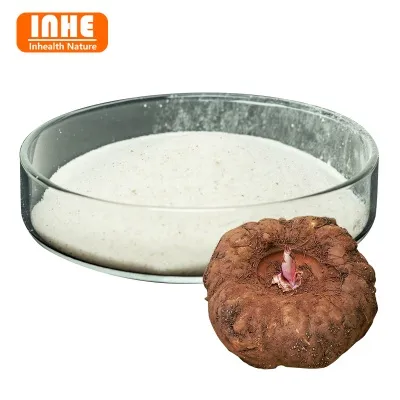
We also offer other high-stability botanical extracts (such as Konjac Root Glucomannan Powder, Formononetin 98%, and Oleanolic Acid Powder). Please contact us for more information.
Importance of Stability for Customers
For customers, the stability of octacosanol powder is of utmost importance. A stable product ensures consistent quality and efficacy. When using octacosanol powder in dietary supplements or functional foods, customers rely on its stability to deliver the desired health benefits. If the powder degrades, it may not provide the expected results, which can lead to customer dissatisfaction.
Conclusion
In conclusion, the stability of octacosanol powder is influenced by several factors, including temperature, humidity, light, and oxygen. As a manufacturer, we are committed to ensuring the stability of our octacosanol powder through strict production control and appropriate packaging. By understanding the factors that affect stability and taking the necessary measures to mitigate them, we can provide our customers with high-quality octacosanol powder that maintains its efficacy over time.
If you are interested in purchasing octacosanol powder or any of our other products, we invite you to contact us at info@inhealthnature.com for a detailed discussion. We are ready to provide you with the best products and services to meet your needs.
References
1. Feng, S., Luo, Z., Zeng, F., Liu, S., & Khan, Z. U. (2015). Effect of water, metallic ions, fatty acid and temperature on oxidative stability of 1-octacosanol from sugarcane rind. Food Chemistry, 182, 171-177.
2. BenchChem Technical Support Team (2025). Stability of 1-Octacosanol under different storage conditions. BenchChem Technical Bulletin.