

What is the production technology of Arachidonic Acid Powder?
Aug 17, 2026
Arachidonic Acid (AA) is a polyunsaturated omega-6 fatty acid that plays crucial roles in human health, including brain development, immune function, and inflammation regulation. Arachidonic Acid Powder is a convenient and stable form of this important nutrient, widely used in infant formula, dietary supplements, functional food, and cosmetics industries. As a reliable supplier of Arachidonic Acid Powder, I am delighted to share with you the production technology behind this remarkable product.
strain selection
The first step in producing high-quality Arachidonic Acid Powder is the careful selection of a suitable microorganism strain. Mortierella alpina is one of the most commonly used fungi for arachidonic acid production. It has the ability to accumulate high levels of arachidonic acid in its mycelium. Our R&D team spends a significant amount of time screening and optimizing strains. We look for strains that have high arachidonic acid productivity, fast growth rates, and good adaptability to different fermentation conditions. Through continuous selection and genetic improvement, we have obtained strains that can produce arachidonic acid with high efficiency and purity.
fermentation process
Once the appropriate strain is selected, the fermentation process begins. Fermentation is the core step in the production of Arachidonic Acid Powder, and it is carried out in large-scale fermenters.
Fermentation Medium Preparation
The fermentation medium is a crucial factor that affects the growth of the microorganism and the production of arachidonic acid. It typically consists of carbon sources (such as glucose), nitrogen sources (such as yeast extract or corn steep liquor), inorganic salts, and trace elements. We carefully formulate the medium to provide the optimal nutritional conditions for the growth of Mortierella alpina. The composition of the medium is adjusted according to the specific requirements of the strain, and strict quality control measures are implemented during the preparation process to ensure the consistency and stability of the medium.
Inoculation And Fermentation Conditions
After the medium is prepared, the selected strain is inoculated into the fermenter through a stepwise scale-up cultivation (from slant culture to primary and secondary seed cultures). The fermentation conditions, including temperature, pH, dissolved oxygen, and agitation speed, are precisely controlled and dynamically adjusted throughout the fermentation process to ensure optimal oxygen supply for both cell growth and lipid accumulation. For Mortierella alpina, the optimal temperature for growth and arachidonic acid production is usually around 30°C. The pH of the fermentation broth is strategically controlled in stages: maintained at a slightly acidic level in the early phase to promote cell growth, and then adjusted upward in the later phase to enhance lipid accumulation. Adequate dissolved oxygen is essential for the aerobic growth of the fungus, and the agitation speed is adjusted to ensure good mixing and oxygen transfer in the fermenter. During the fermentation process, we continuously monitor and adjust these parameters to create the most favorable environment for arachidonic acid synthesis.
Fermentation Duration
The fermentation process usually lasts for several days (typically 7-13 days), during which the microorganism continuously grows and synthesizes arachidonic acid. As the fermentation progresses, we regularly sample the fermentation broth to analyze the growth of the microorganism and the accumulation of arachidonic acid. Once the arachidonic acid production reaches the maximum level, the fermentation is terminated.
Harvesting and extraction
Harvesting
After the fermentation is completed, the mycelium containing arachidonic acid needs to be harvested. This is usually done through a process of filtration or centrifugation to collect the wet biomass. We choose the most appropriate harvesting method according to the characteristics of the fermentation broth and the requirements of the subsequent extraction process. The collected biomass is then dried to facilitate the subsequent extraction.
Extraction
Once the mycelium is harvested, the next step is to extract arachidonic acid from it. Solvent extraction is a commonly used method. A food-grade organic solvent such as hexane is used to dissolve the lipids and fatty acids, including arachidonic acid, from the mycelium. The extraction process is carried out under carefully controlled conditions (typically using continuous soaking or counter-current extraction) to ensure high extraction efficiency and minimize the loss of arachidonic acid. After extraction, the solvent is removed through evaporation or vacuum distillation, leaving behind a crude arachidonic acid oil.
purification
The crude arachidonic acid oil obtained from the extraction process contains various impurities, such as other lipids, pigments, and residual solvents. Therefore, purification is necessary to obtain high-purity arachidonic acid.
Degumming And Neutralization
The first step in purification is degumming and neutralization. Degumming removes the phospholipids and other gummy substances from the crude oil by adding water or a degumming agent. Neutralization is then carried out to remove free fatty acids by adding an alkaline solution. This process helps to improve the quality and stability of the oil.
Bleaching
Bleaching is used to remove pigments and other colored impurities from the oil. Activated clay or activated carbon is commonly used as a bleaching agent. The oil is mixed with the bleaching agent, and the mixture is heated and stirred. The pigments are adsorbed onto the surface of the bleaching agent, which can then be removed by filtration.
Deodorization
Deodorization is the final step in the purification process. It is carried out under high-temperature and high-vacuum conditions to remove volatile compounds, such as residual solvents and odorous substances, from the oil. This process improves the odor and flavor of the arachidonic acid oil.
Microencapsulation & powdering (spray drying)
After the purification process, the high-purity arachidonic acid oil needs to be converted into powder form to enhance its stability against oxidation, improve its water dispersibility, and facilitate ease of handling. To achieve this, we employ advanced microencapsulation technology.
Emulsification
The first step in powdering is emulsification. The refined ARA oil is mixed with an aqueous phase containing a blend of wall materials (such as sodium starch octenyl succinate, sodium caseinate, whey protein, and maltodextrin) and antioxidants (such as vitamin E and sodium ascorbate). This mixture is subjected to high-speed homogenization to form a stable oil-in-water emulsion. The wall materials serve to encapsulate the oil droplets, while the antioxidants protect the oil from oxidative degradation.
Spray Drying
The stable emulsion is then fed into a spray drying tower. In the spray-drying process, the emulsion is atomized into fine droplets and sprayed into a stream of hot air. The water in the droplets evaporates rapidly, leaving behind microencapsulated ARA powder particles, with the oil securely embedded within the wall material matrix.
Cooling, Sizing, and Sieving
After spray drying, the powder is cooled in a fluidized bed, then agglomerated, sized, and passed through a sieve (for example, 100% passing through a 20-mesh standard sieve). This final step ensures that our Arachidonic Acid Powder possesses excellent flowability, good instant solubility in water, and a consistent particle size distribution, presenting as a light-yellow to white powder.
quality control
At every stage of the production process, strict quality control measures are implemented to ensure the safety, purity, and efficacy of our Arachidonic Acid Powder. We use advanced testing methods, such as high-performance liquid chromatography (HPLC) and gas chromatography (GC), to analyze the content and purity of arachidonic acid in the product. In addition, we also test for the presence of heavy metals, pesticides, and other contaminants to ensure that our product meets the highest quality standards.
applications in different industries
Arachidonic Acid Powder has a wide range of applications in different industries. In the infant formula industry, it is added as a key nutritional fortifier to support early brain and visual development. In the dietary supplement industry, it is widely used in products for cognitive function, immune support, and joint health. In the functional food and beverage industry, it serves as an active ingredient in products targeting overall wellness. In the cosmetics industry, it is incorporated into skin care formulations for its moisturizing and skin barrier-enhancing properties.
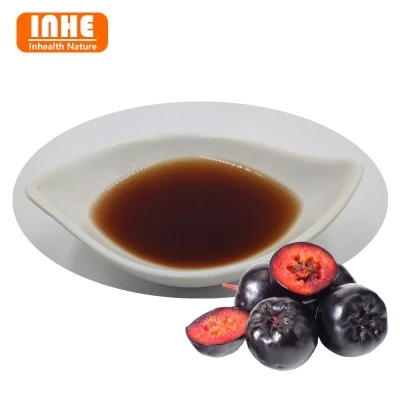
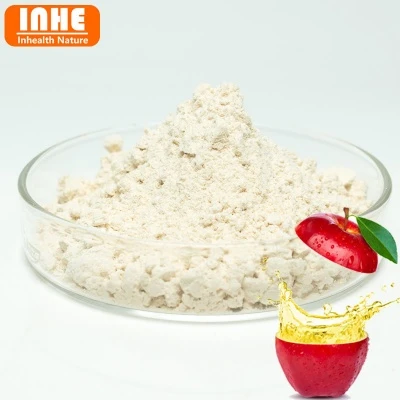
We also offer other high-quality fermented nutrition products, such as Black Chokeberry Liquid, Organic Apple Cider Vinegar Powder, and Natural Natto Extract. These products are also produced using advanced fermentation and production technologies, and they have received high praise from our customers.
If you are interested in our Arachidonic Acid Powder or other products, please feel free to contact us at info@inhealthnature.com for more information and to discuss your procurement needs. We are committed to providing you with high-quality products and excellent customer service.
References
Zhu, M., Yu, L. J., Li, W., & Zhou, P. P. (2006). Optimization of arachidonic acid production by fed-batch culture of Mortierella alpina based on kinetic analysis. Process Biochemistry, 41(4), 857-861.
Yuan, C., Wang, J., Shang, Y., Gong, G., Yao, J., & Yu, Z. (2002). Production of Arachidonic Acid by Mortierella alpina I49-N18. Food Technology and Biotechnology, *40*(4), 311–315.
US Patent US5204250A: Process for producing arachidonic acid.
Nejatian, M., Ghandehari Yazdi, A. P., Fattahi, R., Saberian, H., Bazsefidpar, N., Assadpour, E., & Jafari, S. M. (2024). Improving the storage and oxidative stability of essential fatty acids by different encapsulation methods: a review. International Journal of Biological Macromolecules, *261*(Part 1), 129548.
Wu, K. G., & Chai, X. H. (2008). Performance of various shell materials for microencapsulation of single cell oil rich in arachidonic acid by spray drying. Modern Food Science and Technology, *24*(5), 440-443.