

Is EGCG 95% suitable for vegetarians?
Jul 13, 2026
Hey there! As a supplier of EGCG 95%, I often get asked if it's suitable for vegetarians. So, let's dive right into this topic and figure it out together.
First off, let's clarify what EGCG 95% actually is. EGCG stands for epigallocatechin gallate, a powerful antioxidant naturally found in green tea. The "95%" indicates that the product contains 95% pure EGCG. It is widely recognized for numerous health benefits, including boosting metabolism, reducing inflammation, and other potential wellness supports.
Now, let's talk about whether it's suitable for vegetarians. The key consideration for vegetarians is to ensure that the product does not contain any animal-derived ingredients. When it comes to EGCG 95%, the good news is that it's almost always derived from green tea leaves. Green tea is a plant, so in its pure form, EGCG 95% is inherently vegetarian-friendly.
The process of extracting EGCG 95% from green tea usually involves methods like solvent extraction or supercritical fluid extraction. These methods do not require any animal products. However, it is always important to double-check the manufacturing process. Some companies may use animal-derived substances during processing or as additives. As a supplier, I can confidently assure you that our EGCG 95% is made without any animal-based ingredients. We take pride in providing a product that meets the strictest vegetarian standards.
But why would vegetarians be interested in EGCG 95% in the first place? Many vegetarians prioritize getting a wide range of nutrients from plant-based sources. EGCG 95% can be a great addition to their diet. It can help support overall health, especially in terms of heart health and digestion. Plus, it can be a natural way to boost energy levels without relying on caffeine-laden drinks.

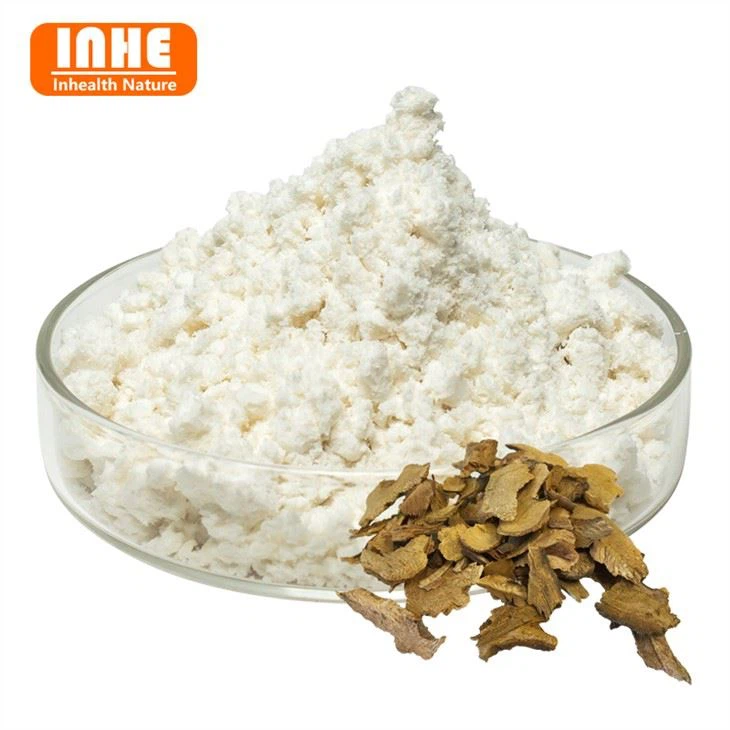
Let's compare EGCG 95% with some other popular health supplements. For example, Ergothioneine Powder is another supplement that has gained significant attention lately. It's also known for its antioxidant properties. While ergothioneine can be found in some mushrooms, it can also be synthesized. And just like EGCG 95%, it can be a great option for vegetarians looking to enhance their health.
Another supplement is Water Soluble Resveratrol 10%. Resveratrol is found in grapes and red wine, and it has been linked to a variety of health benefits, such as anti-aging and heart protection. It's also a plant-based supplement, making it suitable for vegetarians.
Ursolic Acid Powder is yet another option. It's derived from plants like apples and thyme. Ursolic acid has been studied for its potential to help with muscle growth and fat loss. Naturally, it's a great choice for vegetarians.
When it comes to choosing a supplement, thorough research is essential. Look for products that are pure, high-quality, and free from any unwanted additives. As a supplier, I understand the importance of providing a product that meets the needs of vegetarians. That's why we go the extra mile to ensure that our EGCG 95% is not only effective but also fully suitable for those following a vegetarian lifestyle.
Now, if you're a vegetarian and you're interested in trying EGCG 95%, or if you're a retailer looking to stock our product, we would love to have a chat with you. We can discuss the details, answer any questions you might have, and work out a deal that suits you. Whether you're looking for a small quantity for personal use or a large order for your business, we've got you covered.
In conclusion, EGCG 95% is generally suitable for vegetarians. It's derived from green tea, a plant source, and when produced correctly, it doesn't contain any animal-derived ingredients. Along with other plant-based supplements like ergothioneine powder, water-soluble resveratrol 10%, and ursolic acid powder, it can be a great addition to a vegetarian's health regimen. So, if you're interested in learning more or making a purchase, don't hesitate to reach out to us at info@inhealthnature.com.
References
1. Nagle, D. G., Ferreira, D., & Zhou, Y. D. (2006). Epigallocatechin-3-gallate (EGCG): chemical and biomedical perspectives. Phytochemistry, 67(17), 1849-1855.
2. Halliwell, B., & Gutteridge, J. M. C. (2015). Free Radicals in Biology and Medicine (5th ed.). Oxford University Press.
3. Berman, A. Y., Motechin, R. A., Wiesenfeld, M. Y., & Holz, M. K. (2017). The therapeutic potential of resveratrol: a review of clinical trials. Nutrition Reviews, 75(3), 199-211.
4. Woźniak, Ł., Skąpska, S., & Marszałek, K. (2015). Ursolic acid-a pentacyclic triterpenoid with a wide spectrum of pharmacological activities. Molecules, 20(11), 20614-20641.