

Is Alpha GPC 50% Powder safe for long - term use?
Mar 19, 2026
Hey there, health enthusiasts! As a supplier of Alpha GPC 50% Powder, I often get asked about its long - term safety. Let's dive right into it and see what science and real - world experience have to say.
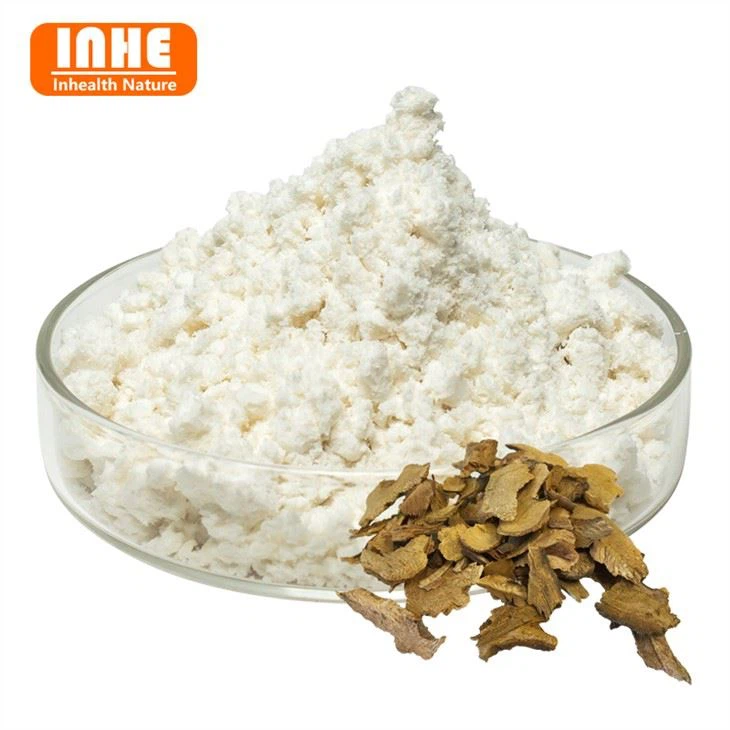
First things first, what the heck is Alpha GPC 50% Powder? Alpha - glycerophosphocholine (Alpha GPC) is a naturally occurring compound that's found in small amounts in the human body and in some foods. It's a key source of choline, an essential nutrient that plays a crucial role in numerous bodily functions. The "50% powder" means that it's a concentrated form with 50% of alpha GPC in the powder. You can learn more about it here.
Now, before we start talking about long - term use, let's understand why people are interested in taking Alpha GPC in the first place. It's praised for a bunch of cognitive benefits. Many users claim that it helps improve memory, focus, and mental clarity. Some even say it boosts their overall brain health. And there's actually some scientific backing for these claims. Studies have shown that choline, which Alpha GPC provides, is necessary for the synthesis of acetylcholine, a neurotransmitter that's super important for learning and memory.

Alright, so it seems like a pretty cool supplement. But is it safe to use over the long term? Well, the good news is that, based on current research, Alpha GPC is generally well - tolerated. Most short - term studies on the compound have reported few side effects. These side effects are usually mild and can include things like nausea, diarrhea, or a fishy aftertaste. But these symptoms are often temporary and go away as the body adjusts to the supplement.
When it comes to long - term use, there's less data available. However, the available evidence is still pretty promising. Choline, of which Alpha GPC is a source, is an essential nutrient, and our bodies need a regular intake of it. In fact, the Institute of Medicine has set an adequate intake (AI) level for choline, which means that consuming it in reasonable amounts is considered safe.
But here's the deal. Just like with any supplement, individual responses can vary. Some people might have a more sensitive stomach and might experience more pronounced side effects. And, if you're taking other medications or have underlying health conditions, you should always consult your doctor before starting any new supplement, including Alpha GPC 50% Powder.
Another aspect to consider is the quality of the powder. As a supplier, I can't stress the importance of getting high - quality products. Low - quality supplements might contain impurities or inconsistent amounts of the active ingredient, which could potentially pose risks over time. That's why it's crucial to source from reliable suppliers who follow good manufacturing practices.
Now, I also want to touch on the idea of stacking Alpha GPC with other supplements. Some people like to combine it with things like Phloretin Powder or Water Soluble Resveratrol 10% in the hopes of getting even better results. While there's some speculation that these combinations could have synergistic effects, there's also less data on the long - term safety of such stacks. So, if you're thinking about going down that route, make sure you do your homework and talk to a healthcare professional.
In conclusion, based on what we know so far, Alpha GPC 50% Powder seems to be relatively safe for long - term use for most people. But as always, it's important to listen to your body and make informed decisions. If you notice any unusual symptoms while taking it, stop using it and consult a doctor.
If you're interested in purchasing high - quality Alpha GPC 50% Powder for your personal use or for your business, I'd love to talk to you. We have a strict quality control process in place to ensure that you get the best product possible. Please reach out for more information and to discuss your purchasing needs.
References:
- Institute of Medicine. Dietary Reference Intakes for Thiamin, Riboflavin, Niacin, Vitamin B6, Folate, Vitamin B12, Pantothenic Acid, Biotin, and Choline. National Academy Press, 1998.
- Various studies on choline and its role in cognitive function from peer - reviewed scientific journals.