

How do essential oils interact with medications?
Jan 19, 2026
How do essential oils interact with medications?
As a long - time essential oil supplier, I've witnessed the growing interest in essential oils for their numerous therapeutic and aromatic benefits. However, one question that often surfaces is how these natural wonders interact with medications. Understanding these interactions is crucial for anyone using both essential oils and pharmaceutical drugs.
First, it's important to recognize that essential oils are highly concentrated plant extracts. Each oil contains a complex mixture of chemical compounds, such as terpenes, esters, alcohols, and phenols. These compounds can have various physiological effects on the human body, which may potentially interfere with the action of medications.

One of the primary ways essential oils can interact with medications is through the cytochrome P450 enzyme system in the liver. This system is responsible for metabolizing many medications. Some essential oils can either induce or inhibit the activity of these enzymes. For example, certain terpenes in essential oils may inhibit cytochrome P450 enzymes, leading to slower metabolism of drugs. As a result, the concentration of the drug in the bloodstream may increase, potentially causing an overdose or enhanced side - effects. On the other hand, if an essential oil induces the activity of these enzymes, the drug may be metabolized more quickly, reducing its effectiveness.
Let's take a look at some specific essential oils and their potential interactions with medications.
Clary Sage Flower Oil
Clary Sage Flower Oil has a calming and relaxing effect. It contains compounds like linalyl acetate and linalool. These components may have sedative properties. If a person is taking sedative medications such as benzodiazepines or barbiturates, using Clary Sage Flower Oil could potentially enhance the sedative effect. This might lead to excessive drowsiness, impaired coordination, and in severe cases, respiratory depression.
Wholesale Saw Palmetto Oil
Wholesale Saw Palmetto Oil is often used for prostate health. It can affect hormone levels, particularly testosterone and dihydrotestosterone (DHT). If a patient is taking medications for hormone - related conditions, such as anti - androgen drugs or hormonal replacement therapies, Saw Palmetto Oil may interfere with the intended action of these medications. For example, it could either enhance or counteract the effects of the drugs, leading to unpredictable hormonal changes in the body.
Ylang Ylang Essential Oil
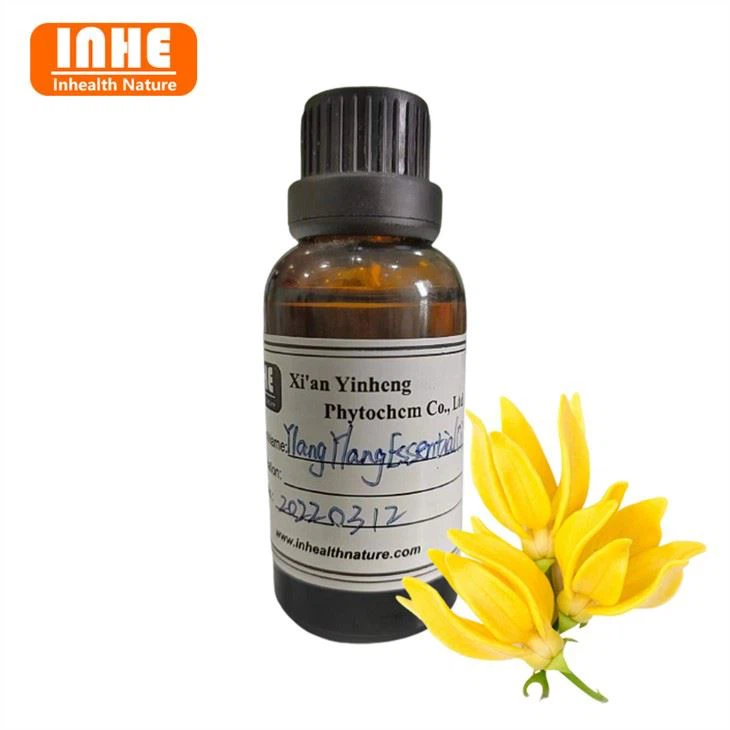
Ylang Ylang Essential Oil is known for its mood - enhancing and aphrodisiac properties. It can have a mild hypotensive effect, meaning it can lower blood pressure. If a person is already taking antihypertensive medications, using Ylang Ylang Essential Oil may cause a further drop in blood pressure. This can result in symptoms like dizziness, fainting, and in extreme cases, shock.
Another aspect to consider is the route of administration. Essential oils can be inhaled, applied topically, or taken internally (although internal use should be done with extreme caution and under the guidance of a qualified professional). Inhalation of essential oils allows the compounds to enter the bloodstream through the lungs, while topical application can lead to absorption through the skin. The way the essential oil enters the body can influence how it interacts with medications.
For example, when essential oils are inhaled, they can quickly reach the brain and other organs. This rapid absorption may increase the likelihood of an interaction with medications. Topical application may be slower in terms of absorption, but if a large amount of essential oil is used over a large area of skin, it can still lead to significant systemic effects.
Patients with certain medical conditions are at a higher risk of adverse interactions. For instance, those with liver or kidney diseases may have impaired drug - metabolizing capabilities. The addition of essential oils to their treatment regimen may put extra strain on these organs and exacerbate the interactions. Similarly, elderly patients and children may be more sensitive to the effects of both essential oils and medications.
When it comes to safety, it is always advisable to consult a healthcare provider before using essential oils in conjunction with medications. A doctor or a pharmacist can provide personalized advice based on a patient's medical history, the specific medications they are taking, and the intended use of the essential oil.
As an essential oil supplier, I am committed to providing high - quality products and accurate information. We source our essential oils from trusted growers and use strict quality control measures to ensure purity and potency. However, we also understand the importance of safety when it comes to using essential oils, especially in combination with medications.
If you are interested in purchasing our essential oils, whether it's the calming Clary Sage Flower Oil, the prostate - friendly Wholesale Saw Palmetto Oil, or the mood - enhancing Ylang Ylang Essential Oil, we welcome you to contact us for procurement discussions. We can provide more details about our products, pricing, and shipping options. We believe in building long - term relationships with our customers based on trust and quality.
In conclusion, while essential oils offer many potential benefits, their interaction with medications is a complex and important topic. By being aware of these interactions, consulting healthcare professionals, and using essential oils responsibly, we can enjoy the best of both natural remedies and modern medicine.
References
- Blumenthal, M., Goldberg, A., & Brinckmann, J. (2000). Herbal medicine: Expanded Commission E monographs. Integrative Medicine Communications.
- Salem, M. (2005). Therapeutic roles of essential oils and their current applications in food systems: A review. Critical Reviews in Food Science and Nutrition, 45(6), 435 - 448.
- Tisserand, R., & Young, R. (2014). Essential oil safety: A guide for health care professionals. Churchill Livingstone Elsevier.