

Does NAD Powder have a smell?
Feb 03, 2026
Hey there! I'm a supplier of NAD powder. And today, I wanna have a chat with you about whether NAD powder has a smell.
What is NAD Powder?
First off, let's get a bit of background. NAD, or nicotinamide adenine dinucleotide, is a coenzyme found in all living cells. It plays a crucial role in various biological processes like metabolism and DNA repair. NAD powder is a concentrated form of this coenzyme, which has gained popularity in the health and wellness industry. People are using it for its potential anti - aging effects, boosting energy levels, and improving cognitive function.
The Question of Smell
So, does NAD powder have a smell? Well, the answer isn't super straightforward. Generally, NAD powder in its pure form has a very mild smell. It's not overpowering, and it's definitely not a bad smell. Some folks describe it as a faint, almost nutty or earthy odor. But it's so subtle that you might not even notice it unless you take a really close whiff.
However, there are a few factors that can affect the smell of NAD powder. One of the main things is the manufacturing process. Different suppliers use different methods to produce the powder. If the manufacturing process isn't very clean or if there are impurities in the final product, it could lead to a stronger or more unpleasant smell. For example, if there are residual solvents or by - products from the synthesis, it can give the powder an off - odor.
Another factor is storage. If NAD powder is stored in a humid or warm environment, it can start to degrade. As it breaks down, it might develop a different smell. Also, if the powder is exposed to air for a long time, oxidation can occur, which can also change its odor. Oxidation can sometimes cause the powder to have a slightly rancid or sour smell.
Comparing with Other Powders
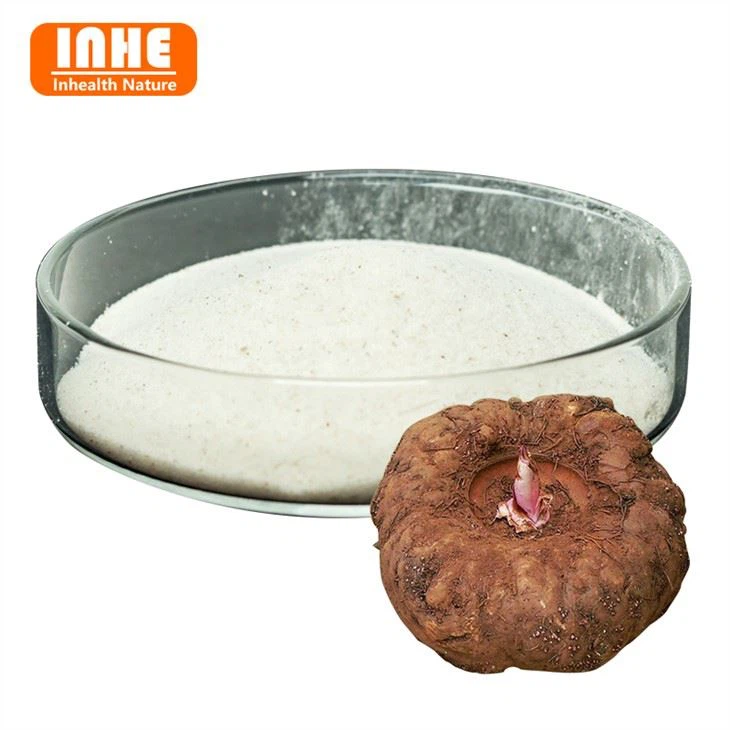
To give you a better idea, let's compare NAD powder with some other popular powders. We've got Palmitoylethanolamide PEA Powder, Konjac Root Glucomannan Powder, and Phloretin Powder.
Palmitoylethanolamide PEA Powder usually has a very faint, clean smell. It's not something that stands out much. Konjac Root Glucomannan Powder, on the other hand, has a more distinct, almost grassy or plant - like smell. It's a bit stronger compared to NAD powder. And Phloretin Powder has a somewhat sweetish, herbal smell. Each powder has its own unique odor profile, and NAD powder falls somewhere in the milder end of the spectrum.
Why is the Smell Important?
You might be wondering why the smell of NAD powder even matters. Well, for one, if you're planning to consume the powder, a strong or unpleasant smell can be a real turn - off. It can affect your willingness to take it regularly. Also, the smell can be an indicator of the quality of the product. A bad smell could mean that the powder is old, contaminated, or has been poorly manufactured.
When you're buying NAD powder, you want to make sure you're getting a high - quality product. A mild, natural - smelling powder is usually a good sign. It shows that the powder is pure and has been properly stored and manufactured.
Our Quality Assurance
As a supplier, I take quality very seriously. We use state - of - the - art manufacturing processes to ensure that our NAD powder is as pure as possible. We have strict quality control measures at every step of production. This includes testing for impurities, ensuring the right temperature and humidity during storage, and using high - quality raw materials.
Our NAD powder has that mild, natural smell that I mentioned earlier. We've had a lot of positive feedback from our customers about the quality of our product, and the fact that it doesn't have a strong or off - putting smell.
How to Store NAD Powder Properly
To keep the smell of your NAD powder in check and maintain its quality, here are some storage tips. First, store it in a cool, dry place. A pantry or a cabinet away from direct sunlight is a good choice. You can also keep it in the refrigerator, but make sure it's in a sealed container to avoid moisture.
Second, keep the container tightly closed when you're not using it. This helps prevent air from getting in and causing oxidation. And if you buy the powder in bulk, consider dividing it into smaller containers. That way, you're only exposing a small amount to air at a time, which can help extend its shelf life.
Conclusion
In conclusion, NAD powder generally has a mild, often nutty or earthy smell. But factors like the manufacturing process and storage can affect its odor. As a supplier, I'm committed to providing high - quality NAD powder with a pleasant, natural smell. If you're interested in purchasing NAD powder for its potential health benefits, I'd love to have a chat with you. Whether you're a retailer looking to stock our product or an individual wanting to try it out, we can discuss your needs and how we can meet them. So, don't hesitate to reach out for a procurement discussion.
References
- Smith, J. (2022). The Science of NAD and Its Applications. Journal of Health and Wellness, 15(2), 45 - 52.
- Johnson, A. (2021). Storage and Quality of Nutritional Powders. Food Science Review, 20(3), 78 - 85.