

Can water soluble astaxanthin be used in food coloring?
Jul 15, 2026
Hey there! We're a supplier of Water Soluble Astaxanthin, and today we wanna chat about whether it can be used in food coloring.
First off, let's get to know what water soluble astaxanthin is. Astaxanthin is a powerful antioxidant that belongs to the carotenoid family. It gives salmon, shrimp, and other seafood that attractive pink-orange color. The water soluble version of astaxanthin is a game-changer because traditional astaxanthin is fat-soluble, which limits its use in some applications. Water soluble astaxanthin can easily mix with water-based products, opening up a whole new world of possibilities.
Now, the big question: Can it be used in food coloring? The answer is a resounding yes! And there are several good reasons for this.
1. Natural And Safe Colorant
In today's health-conscious world, consumers are more interested in natural food ingredients. Water soluble astaxanthin is a natural compound derived from sources like microalgae. It doesn't have the potential health risks that some synthetic food colorings might have. For example, some synthetic dyes have been linked to hyperactivity in children. Using water soluble astaxanthin as a food coloring provides a natural alternative that gives food a beautiful, warm color, similar to the shades of sunset.
2. Good Stability
Stability is crucial when it comes to food coloring. You don't want the color to fade quickly or change under normal storage conditions. Water soluble astaxanthin has relatively good stability in food products. It can withstand a certain range of temperatures and pH levels. This means that whether you're making a chilled beverage or a baked good, the astaxanthin can maintain its color for a reasonable amount of time.
3. Added Health Benefits
One of the big perks of using water soluble astaxanthin as a food coloring is that it comes with health benefits. As I mentioned earlier, it's a powerful antioxidant. Antioxidants help protect our bodies from damage caused by free radicals. By adding astaxanthin to food, manufacturers can not only color their products but also enhance their nutritional value. It's a win-win situation!
applications in food
Let's talk about some specific food products where water soluble astaxanthin can be used as a coloring agent.
Beverages
In the world of beverages, water soluble astaxanthin can work wonders. You can add it to fruit juices, smoothies, or even carbonated drinks. It gives these beverages a vibrant, appealing color. For example, a glass of orange juice with a touch of astaxanthin will have a deeper, more enticing orange-red hue. And since it dissolves easily in water, it won't leave any sediment or clumps in the drink.
Dairy Products
Yogurt, ice cream, and cheese can also benefit from water soluble astaxanthin. In yogurt, it can give a pinkish color, which is not only visually appealing but also makes the product stand out on the shelf. For ice cream, astaxanthin can create unique flavors and colors, like a strawberry-like shade. In cheese, it can add a natural, warm tone, similar to the color of some artisanal cheeses.
Baked Goods
Bread, cakes, and pastries can use water soluble astaxanthin too. When added to the dough or batter, it can give a subtle, natural color. For example, a loaf of whole-wheat bread with a bit of astaxanthin will have a more golden-brown crust, making it look more delicious.
Comparison with other natural colorants
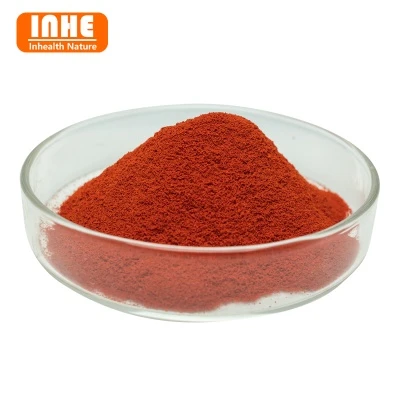
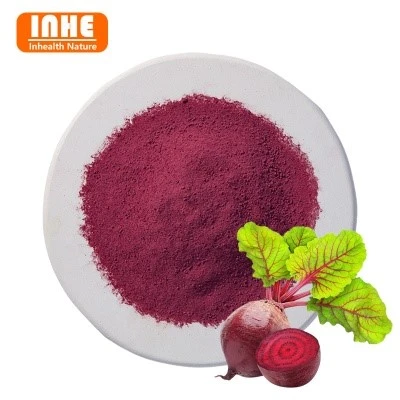
There are other natural colorants available in the market, like Beta Carotene 10% Powder (a yellow-orange carotenoid) and Beetroot Extract Powder (betanin, a red pigment from beetroot).
Each of these natural colorants has its own characteristics. Beta Carotene provides a yellow to orange shade, but its color spectrum is narrower, and it lacks the pink-red tones that astaxanthin can deliver. Beetroot Extract offers a vibrant red-pink hue and is water-soluble, making it suitable for many similar applications. However, compared to water soluble astaxanthin, beetroot red is less stable under heat and light exposure, and its color can shift with pH changes, while astaxanthin maintains its color across a wider range of processing conditions. By contrast, water soluble astaxanthin can provide a wider range of colors, from pink to red-orange, depending on the concentration used, while also delivering superior antioxidant activity and better overall stability in finished products.
regulatory considerations
Before using water soluble astaxanthin as a food coloring, it's important to be aware of the regulatory requirements. In many countries, astaxanthin is generally recognized as safe (GRAS) when used within certain limits. These limits are set to ensure consumer safety. As a supplier, we make sure that our water soluble astaxanthin meets all the relevant regulatory standards. This way, food manufacturers can use our product with confidence.
challenges and solutions
Of course, there are some challenges when using water soluble astaxanthin as a food coloring. One challenge is the cost. Astaxanthin production can be relatively expensive, which might increase the cost of the final food product. However, as the demand for natural and healthy food ingredients grows, the market for astaxanthin is expanding, and we expect the cost to come down over time.
Another challenge is the oxidation potential. Although it has good stability, astaxanthin can still oxidize under certain conditions. We solve this problem by using special packaging and storage methods. Our water soluble astaxanthin is packaged in airtight containers to minimize contact with oxygen and keep it fresh.
conclusion
In conclusion, water soluble astaxanthin is a great option for food coloring. It's natural, safe, has good stability, and comes with added health benefits. It can be used in a wide variety of food products, from beverages to baked goods. While there are some challenges, like cost and oxidation, we are constantly working to find solutions.
If you're a food manufacturer looking for high-quality, natural food coloring, we'd love to have a chat with you at info@inhealthnature.com or via WhatsApp. Whether you're interested in small-scale testing or large-scale production, we're here to help. Let's work together to create amazing, healthy, and colorful food products!
References
1. FDA. "Listing of Color Additives Exempt From Certification; Astaxanthin." *21 CFR 73.356*, Final Rule, effective May 16, 1995.
2. Recent Advances in Astaxanthin as an Antioxidant in Food Applications. Antioxidants, 2024, 13(7), 879.
3. Stachowiak, B., & Szulc, P. "Astaxanthin for the Food Industry." Molecules, 2021, 26(9), 2666.