

What are the dosage forms of Hirudin Powder?
Jan 20, 2026
Hirudin, a potent anticoagulant peptide derived from the salivary glands of leeches, has gained significant attention in the field of medicine and health supplements. As a reliable supplier of Hirudin Powder, I am often asked about the various dosage forms available in the market. In this blog post, I will delve into the different dosage forms of Hirudin Powder, their advantages, and potential applications.
Capsules
One of the most common dosage forms of Hirudin Powder is capsules. Capsules are a convenient and popular choice for consumers as they are easy to swallow and provide a precise dosage of Hirudin. The powder is encapsulated in a gelatin or vegetarian capsule shell, which protects the active ingredient from degradation and ensures its stability until it reaches the digestive system.
Capsules are available in different strengths, allowing consumers to choose the appropriate dosage based on their individual needs. They are also suitable for those who prefer a tasteless and odorless form of supplementation. Additionally, capsules can be easily incorporated into a daily supplement routine, making them a convenient option for busy individuals.
Tablets
Tablets are another popular dosage form of Hirudin Powder. Like capsules, tablets are easy to swallow and provide a convenient way to administer Hirudin. The powder is compressed into a solid tablet form, which may be coated to improve its appearance, taste, and stability.
Tablets offer several advantages over other dosage forms. They are more compact and easier to store than capsules, making them a practical choice for travel. Tablets also have a longer shelf life, which means they can be stored for a longer period without losing their potency. However, some people may find tablets more difficult to swallow than capsules, especially if they are large or have a hard coating.
Powders
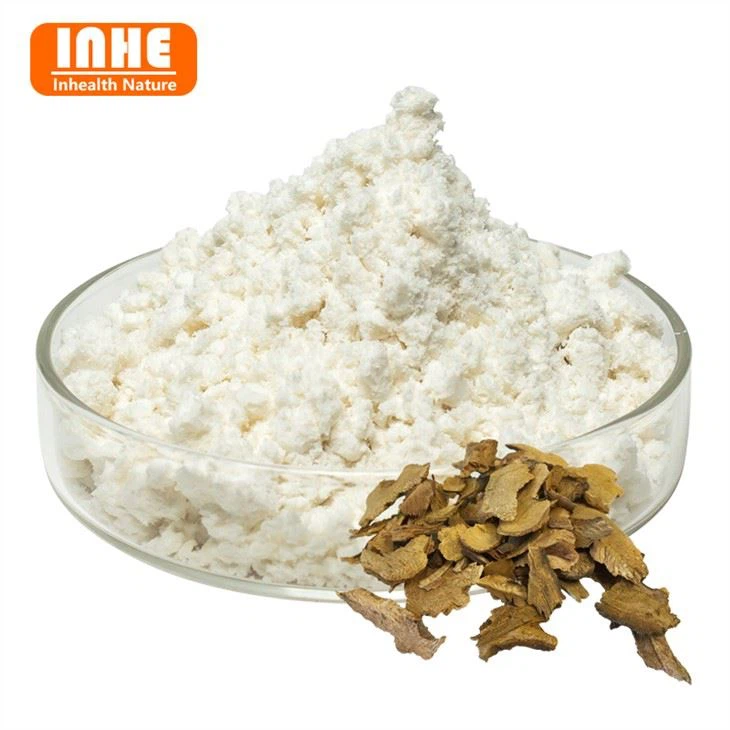
In addition to capsules and tablets, Hirudin Powder is also available in its raw form. Powders offer the most flexibility in terms of dosage and administration. They can be mixed with water, juice, or other beverages, or added to food, making them suitable for individuals who have difficulty swallowing capsules or tablets.
Powders also allow for easy customization of dosage. Consumers can adjust the amount of Hirudin they take based on their specific needs and preferences. However, powders may have a distinct taste and odor, which some people may find unpleasant. They also require more careful storage to prevent moisture and contamination.
Topical Creams and Gels
Hirudin Powder can also be formulated into topical creams and gels for external use. These products are designed to be applied directly to the skin, where they can provide localized effects. Topical Hirudin creams and gels are commonly used for the treatment of skin conditions such as bruises, swelling, and inflammation.
The advantage of topical formulations is that they can deliver Hirudin directly to the affected area, bypassing the digestive system and reducing the risk of systemic side effects. They are also easy to apply and can provide quick relief from pain and discomfort. However, the effectiveness of topical Hirudin products may vary depending on the formulation and the individual's skin condition.
Injection
In some cases, Hirudin may be administered by injection. This is typically done in a medical setting under the supervision of a healthcare professional. Injection allows for rapid and precise delivery of Hirudin into the bloodstream, making it suitable for the treatment of acute medical conditions such as deep vein thrombosis and pulmonary embolism.
However, injection is an invasive method of administration and may be associated with certain risks, such as pain, bleeding, and infection at the injection site. It also requires special training and equipment, which limits its use to medical professionals.
Applications of Different Dosage Forms
The choice of dosage form depends on several factors, including the intended use of Hirudin, the individual's health condition, and personal preferences. Here are some common applications of different dosage forms:
- Capsules and Tablets: These are suitable for long-term supplementation and prevention of cardiovascular diseases, such as high blood pressure, high cholesterol, and thrombosis. They can also be used to support overall health and well-being.
- Powders: Powders are a versatile option that can be used in a variety of ways. They can be added to smoothies, juices, or other beverages for easy consumption. Powders can also be used in homemade skincare products for their anti-inflammatory and antioxidant properties.
- Topical Creams and Gels: These are ideal for the treatment of skin conditions, such as bruises, swelling, and inflammation. They can also be used to reduce the appearance of scars and promote skin healing.
- Injection: Injection is reserved for serious medical conditions that require immediate and precise delivery of Hirudin. It is typically used in a hospital or clinical setting under the supervision of a healthcare professional.
Other Related Products
In addition to Hirudin Powder, we also offer a range of other high-quality health supplements, including Stigmasterol Powder, Gastrodin Powder, and Water Soluble Resveratrol 10%. These products are carefully formulated to meet the highest standards of quality and purity, and they offer a variety of health benefits.

Conclusion
Hirudin Powder is available in a variety of dosage forms, each with its own advantages and applications. Capsules, tablets, powders, topical creams and gels, and injection are all viable options for delivering Hirudin to the body. The choice of dosage form depends on individual needs, preferences, and the intended use of Hirudin.
As a supplier of Hirudin Powder, we are committed to providing our customers with high-quality products and excellent customer service. If you are interested in purchasing Hirudin Powder or any of our other products, please feel free to contact us for more information. We look forward to working with you to meet your health and wellness needs.
References
- Markwardt F. Hirudin: chemistry, mechanism of action, and clinical use. Thromb Haemost. 1994; 72(2): 165-171.
- Fareed J, Hoppensteadt DA, Walenga JM. The role of hirudin in the management of thrombosis. Semin Thromb Hemost. 1997; 23(3): 207-214.
- Warkentin TE, Greinacher A. Heparin-induced thrombocytopenia: recognition, treatment, and prevention: the Seventh ACCP Conference on Antithrombotic and Thrombolytic Therapy. Chest. 2004; 126(3 Suppl): 311S-337S.