

Are there any drug interactions with 3% Rosavins?
Jun 09, 2026
Disclaimer: This information is for educational purposes only and does not constitute medical advice. 3% Rosavins are a dietary supplement ingredient, not a drug. Always consult a healthcare professional before combining with prescription medications.
Hey there! I'm a supplier of 3% Rosavins, and I often get asked about drug interactions. So, I thought I'd dive into this topic and share what I've learned.
First off, let's talk about what 3% Rosavins are. Rosavins are a group of active compounds found in Rhodiola rosea, a plant known for its adaptogenic properties. Adaptogens are substances that help the body adapt to stress and maintain balance. A 3% Rosavins extract means that the product contains 3% of these beneficial compounds.
Now, onto the big question: Are there any drug interactions with 3% Rosavins? Well, the answer isn't straightforward. Like many natural supplements, 3% Rosavins can potentially interact with certain medications.
One area of concern is with antidepressants. Some studies suggest that Rhodiola rosea, which contains Rosavins, may have antidepressant effects. When taken with prescription antidepressants, there's a risk of serotonin syndrome. Serotonin syndrome is a potentially life - threatening condition that occurs when there's an excessive amount of serotonin in the body. Symptoms can include agitation, confusion, rapid heart rate, and high blood pressure. So, if you're taking antidepressants like selective serotonin reuptake inhibitors (SSRIs) or tricyclic antidepressants, it's crucial to consult your doctor before using 3% Rosavins.
Another possible interaction is with blood - thinning medications. Rosavins may have mild blood - thinning properties. When combined with drugs like warfarin or aspirin, it could increase the risk of bleeding. This is because both the supplement and the medication can affect the blood's ability to clot. If you're on blood - thinning medication, it's important to have your blood clotting levels monitored regularly if you decide to take 3% Rosavins.
It's also worth noting that Rosavins might interact with medications that affect the central nervous system. For example, if you're taking sedatives or anti - anxiety drugs, the combination with 3% Rosavins could potentially enhance the sedative effects. This might lead to excessive drowsiness, dizziness, or impaired coordination.
However, it's not all doom and gloom. Many people take 3% Rosavins without experiencing any negative interactions. The key is to be informed and cautious. If you're considering using 3% Rosavins, here are some steps you can take:
- Talk to your doctor: Your healthcare provider knows your medical history and the medications you're taking. They can give you personalized advice on whether 3% Rosavins are safe for you.
- Start with a low dose: If your doctor gives the green light, start with a small amount of 3% Rosavins and see how your body reacts.
- Monitor your symptoms: Pay attention to any changes in how you feel. If you notice any unusual symptoms, stop taking the supplement and contact your doctor.
As a supplier, I also want to mention some other products that we offer. We have Hawthorn Berry Extract Powder, which is known for its potential benefits for heart health. Hawthorn berries contain antioxidants and other compounds that may help support cardiovascular function.
Another great product is Crocin Powder. Crocin is a carotenoid found in saffron, and it has been studied for its potential anti - inflammatory and antioxidant properties.
We also have Moringa Leaf Extract Powder. Moringa is a nutrient - rich plant that contains vitamins, minerals, and antioxidants. It's often used to boost energy and support overall health.
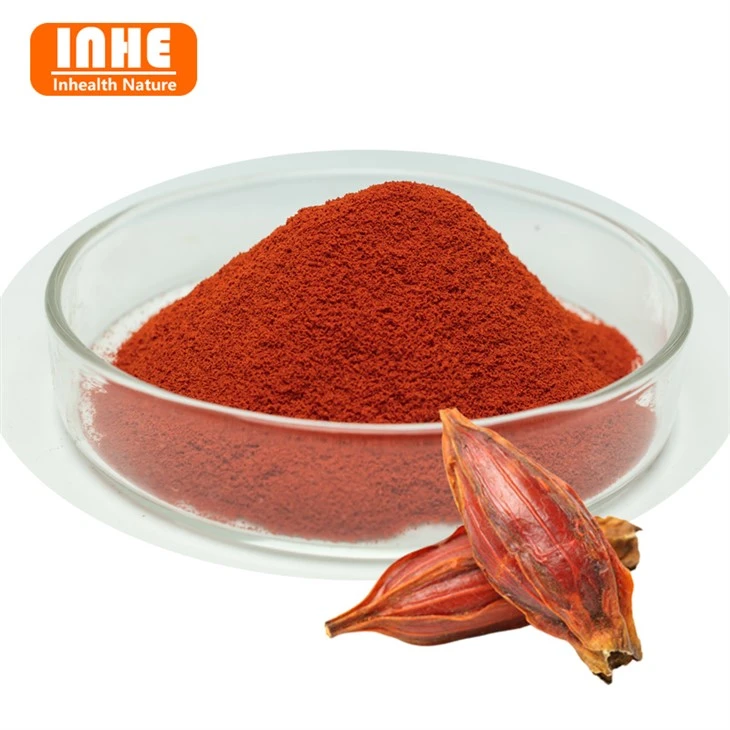

If you're interested in our 3% Rosavins or any of our other products, I encourage you to reach out for a procurement discussion at info@inhealthnature.com. We're here to answer any questions you may have and help you find the right products for your needs.
In conclusion, while 3% Rosavins can offer many benefits, it's important to be aware of potential drug interactions. By taking the necessary precautions and consulting with your doctor, you can safely incorporate this supplement into your health routine.
References
1. Maniscalco, I., Toffol, E., & Giupponi, G. (2015). The interaction of Rhodiola rosea and antidepressants. A case report. Neuropsychiatrie, 29(1), 26-28.
2. National Institutes of Health. (2024). Table 4: Interactions of selected SSRI drugs with plant substances. In Comprehensive review of herbal-drug interactions.
3. Panossian, A., & Wikman, G. (2010). Effects of adaptogens on the central nervous system and the molecular mechanisms associated with their stress-protective activity. Pharmaceuticals, 3(1), 188-224.
4. Spasov, A. A., et al. (2009). Effects of Rhodiola rosea on the pharmacokinetics of warfarin in rats. Bulletin of Experimental Biology and Medicine, 148(3), 385-387.